Featured Image : Dubai Dubai is the capital of the Emirate of Dubai. In the 18th century, it was a...
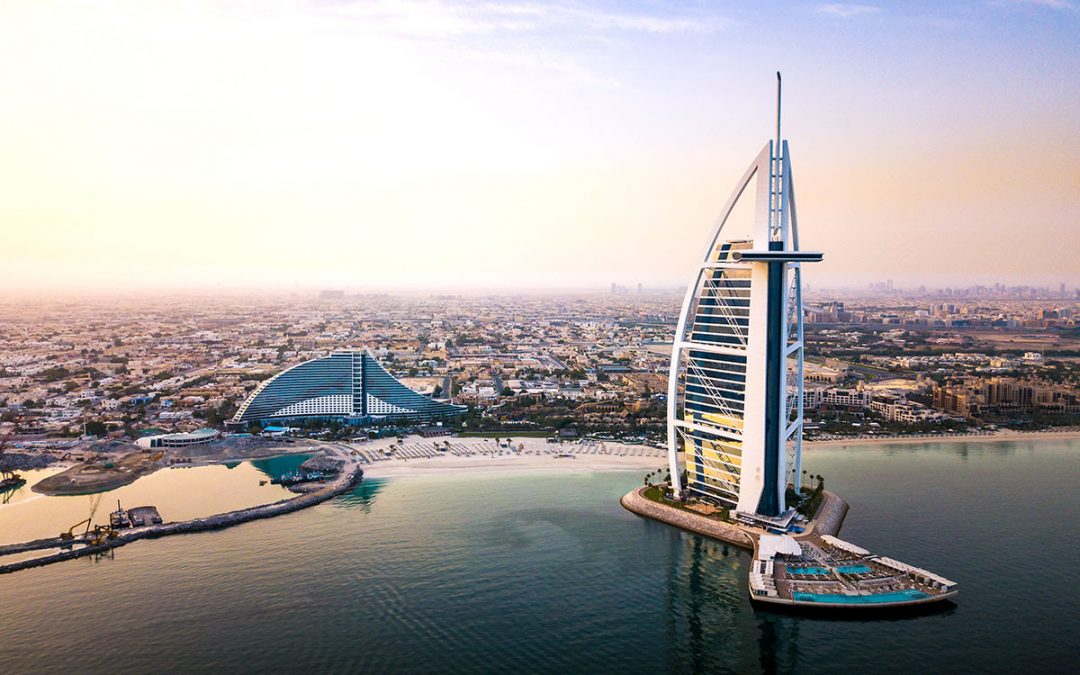

Featured Image : Dubai Dubai is the capital of the Emirate of Dubai. In the 18th century, it was a...
Features information that is relevant to travellers who are thinking about and actively planning a visit Dubai or any part of the Arab World.
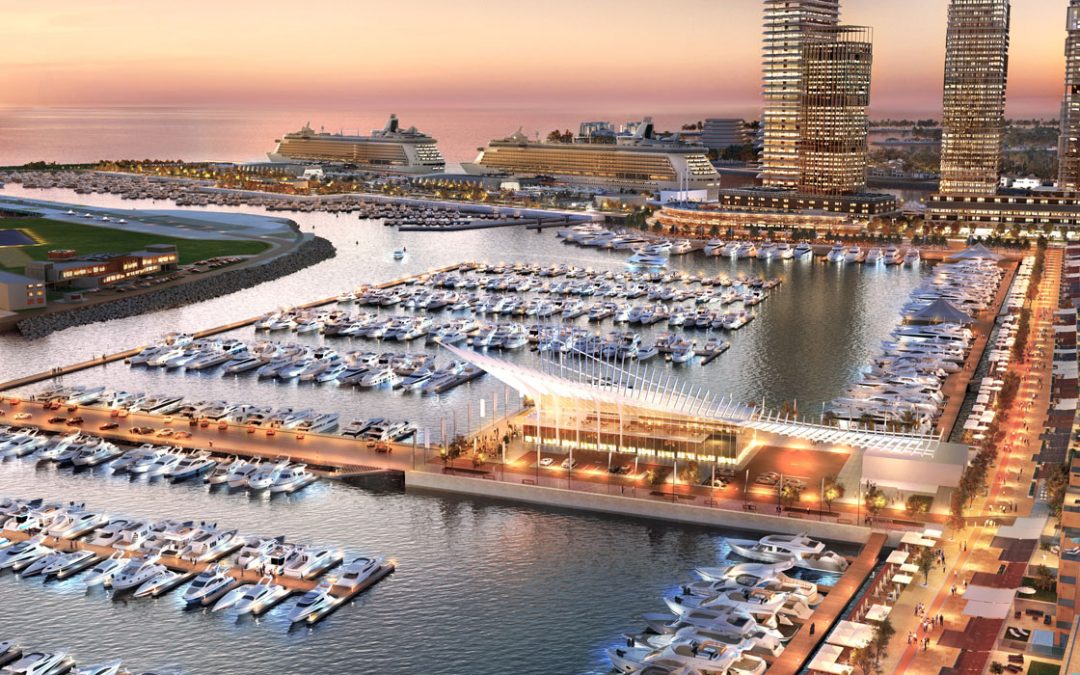
There are three major seaports in Dubai, Jebel Ali, Port Rashid and Al Hamriya.
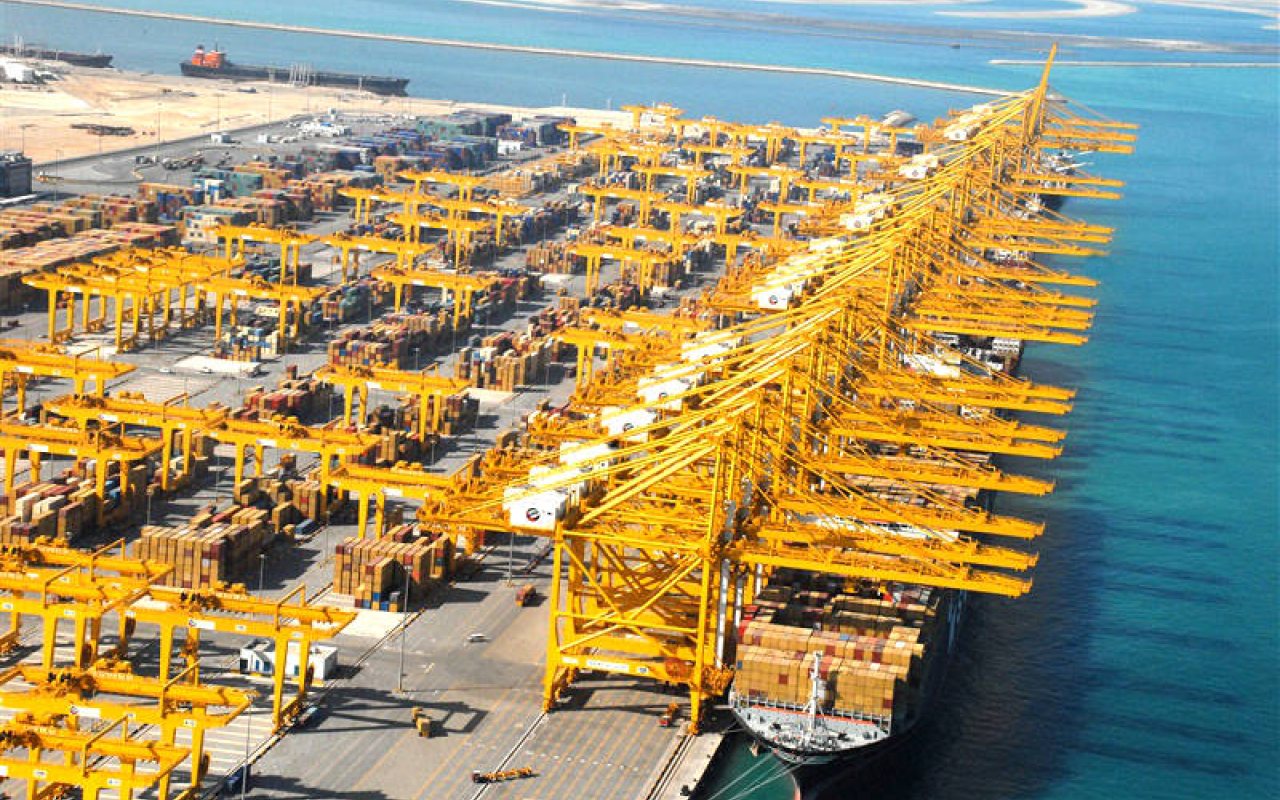
Jebel Ali Port
Jebel Ali (aka Mina Jebel Ali) is the largest port in Dubai. It is a deep port located in Jebel Ali, Dubai. It is the world’s ninth busiest port, the largest man-made harbor, and the biggest and by far the busiest port in the Middle-East.
It has 67 berths and a size of 134.68 square kilometres (52.00 sq mi). It is home to over 5,000 companies from 120 countries of the world. The port was inaugurated by Queen Elizabeth II on 26 February 1979.
The port has more than one million square metres of container yard, medium- and long-term general cargo storage space and almost 960,000 square metres of open storage. Jebel Ali Port is linked to Dubai’s expressway and to Dubai International Airport Cargo Village. Jebel Ali Free Zone offers duty free goods and services for offshore businesses.
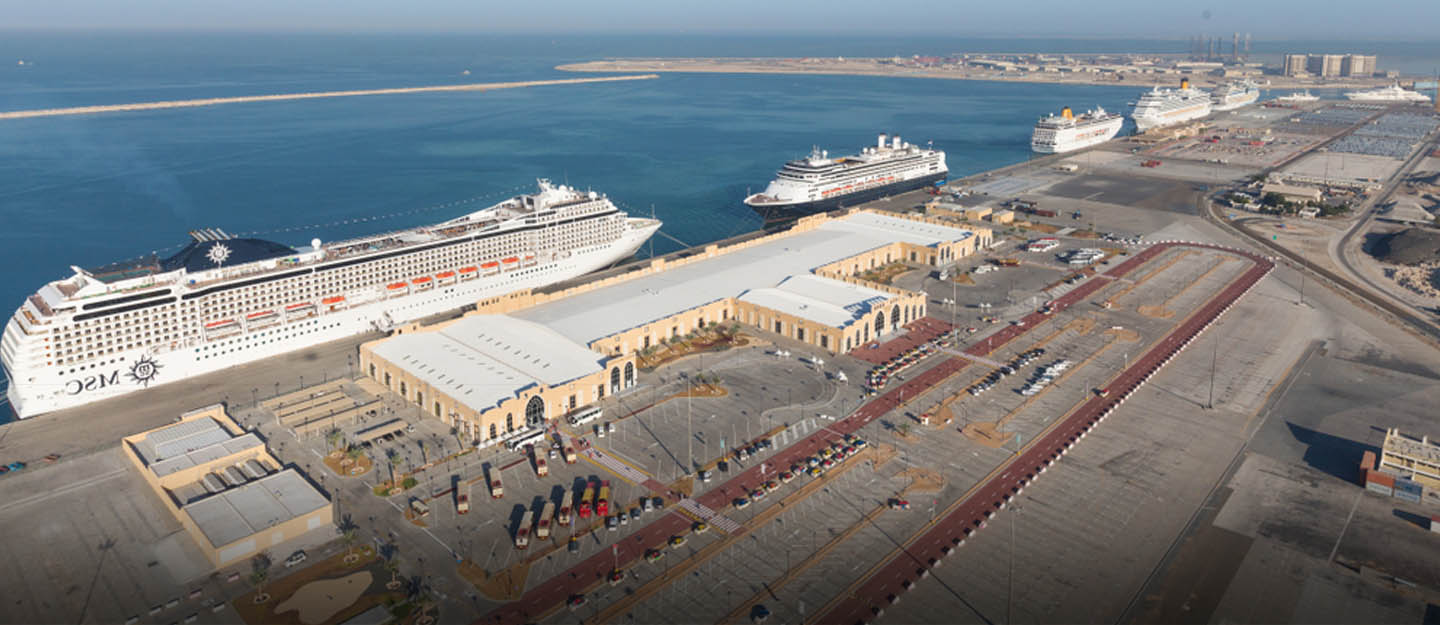
Port Rashid
The construction of Port Rashid in 1972 was an outstanding success. It was originally intended as a four-berth port. Before the construction was completed it was extended to sixteen births. In 1975 a further 35 berths were added.
The port is equipped to handle both cargo and passenger operations. The Cruise Terminal is equipped to handle five mega cruise vessels simultaneously and 25000 passengers daily.
The port has another cruise terminal called Hamdan Bin Mohammed Cruise Terminal, which has a capacity to handle 14,000 passengers a day,
This port also offers a ferry service to passengers moving between Dubai, Bahrain, Qatar, Iraq and Iran.
Al Hamriya
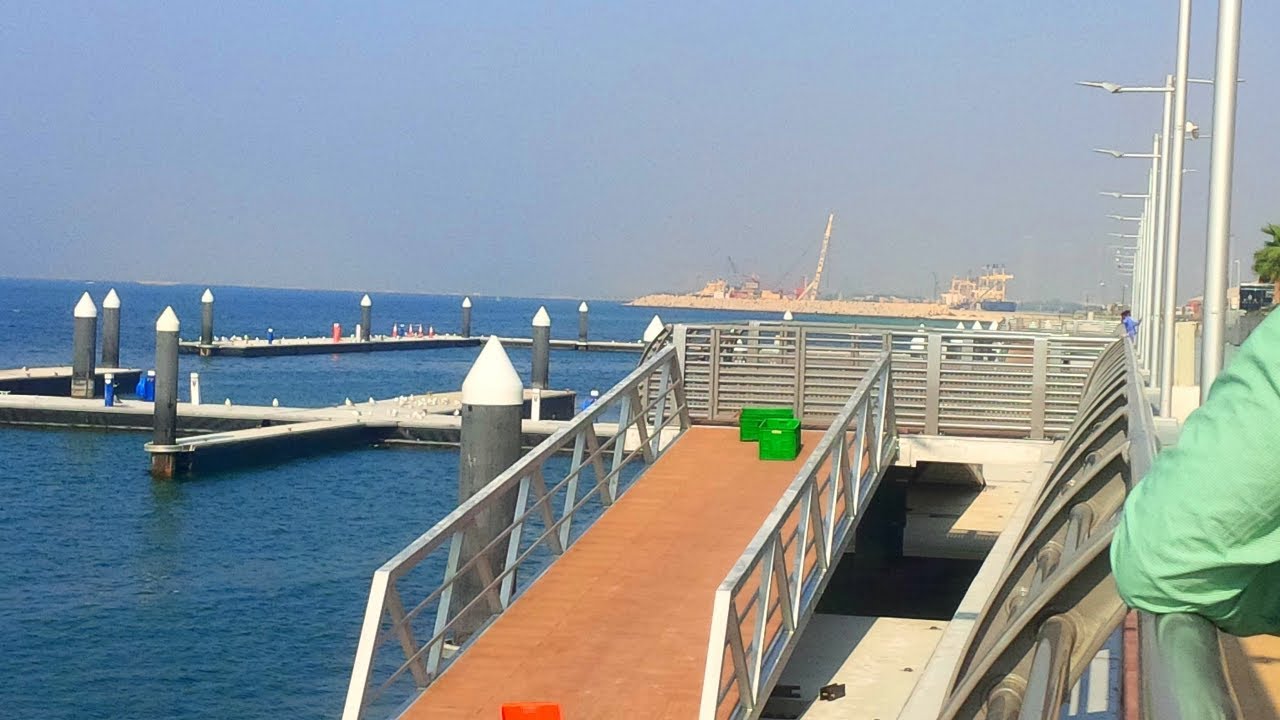
Al Hamriya is managed by DP World under the brand name of Emirates Ports Company. Al Hamriya Port is in the traditional cargo gateway to Dubai. The port handles mainly non-containerized cargo between Dubai, Arabian Gulf, East Africa and Western India.
Al Hamriya’s piers are can handle 190 fishing vessels simultaneously. The port is favoured for livestock imports because of its large quarantine fcility.
Dubai is the capital of the Emirate of Dubai. In the 18th century, it was a small fishing village. It grew rapidly in the early 21st century into the world’s most popular tourist destination. It is a major global transport hub for passengers and cargo. It is also the business hub of Western Asia.
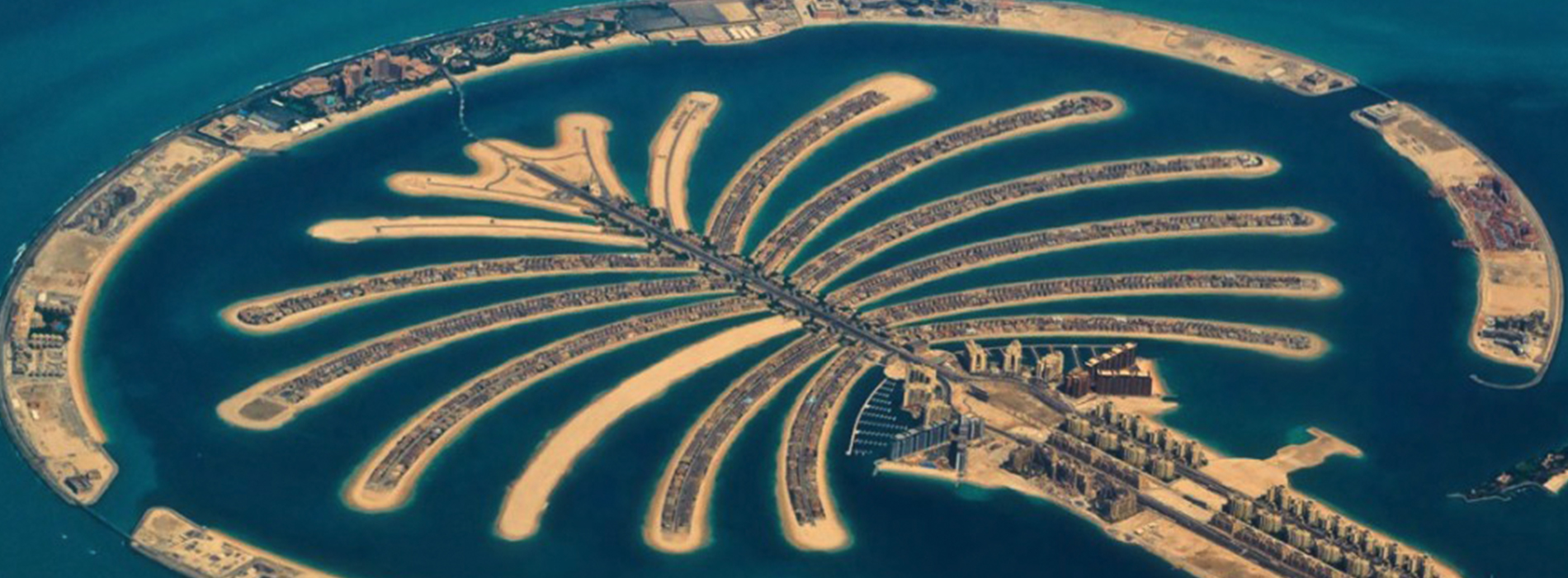
Since the early 20th century, Dubai’s economy derived revenues from trade, tourism, aviation, real estate, and financial services. Oil revenue from 1969 onwards, accelerated the development of the city. But now oil production contributes less than 1 per cent of the emirate’s GDP of US$102.67 billion in 2018. As of 2020, the emirate had a population of 3,400,800. It has 4,114 km² of landmass.
Dubai has been ruled by the Al Maktoum family since 1833. Freedom of speech in Dubai is limited, with both residents and citizens facing severe punishments for speaking out against the royal family or local laws and culture. Alcohol sale and consumption are tightly regulated.
Upon gaining independence from Great Britain, On 2 December 1971, Dubai, together with Abu Dhabi, Sharjah, Ajman, Umm al-Quwain and Fujairah joined in the Act of Union to form the United Arab Emirates. On 10 February 1972 Ras Al Khaimah joined the UAE.
Arabic is the national language and English is widely understood. Migrant workers account for approximately 80% of the resident population of the UAE.
The Provisional Constitution of UAE declares Islam as the official state religion. Dubai government subsidizes almost 95% of mosques and employs all Imams; approximately 5% of mosques are entirely private. Many large mosques have private endowments. All mosques in Dubai are managed by the Islamic Affairs and Charitable Activities Department also known as “Awqaf”. All Imams are appointed by the Government. The Constitution of the United Arab Emirates provides for freedom of religion.
