Featured Image : Dubai Dubai is the capital of the Emirate of Dubai. In the 18th century, it was a...
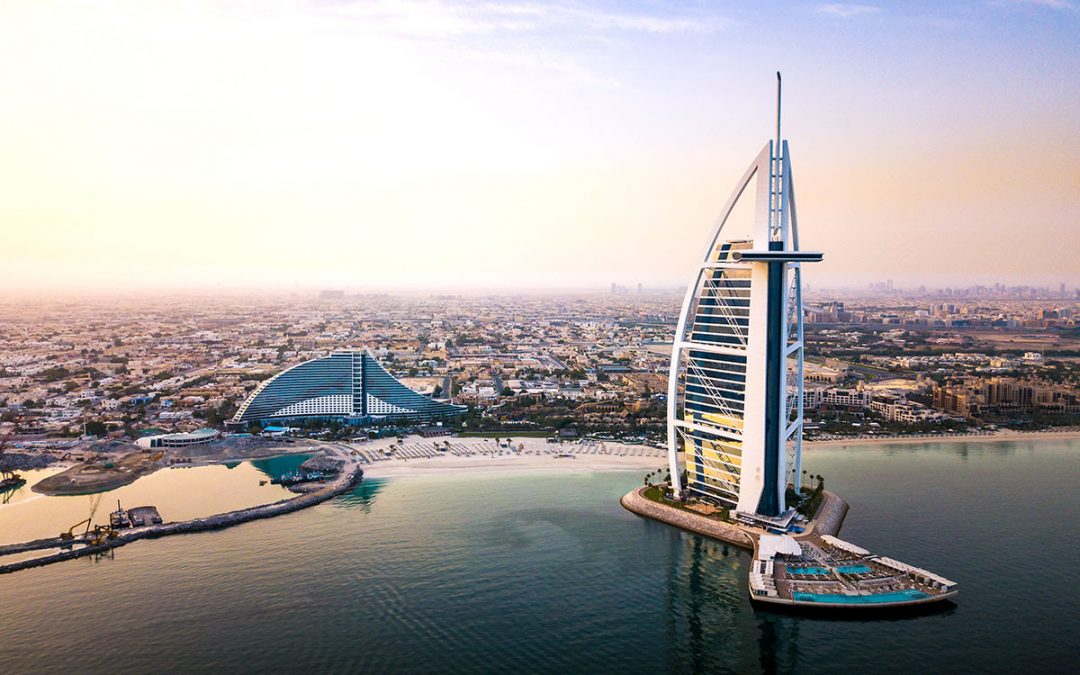

Featured Image : Dubai Dubai is the capital of the Emirate of Dubai. In the 18th century, it was a...
Features information that is relevant to travellers who are thinking about and actively planning a visit Dubai or any part of the Arab World.
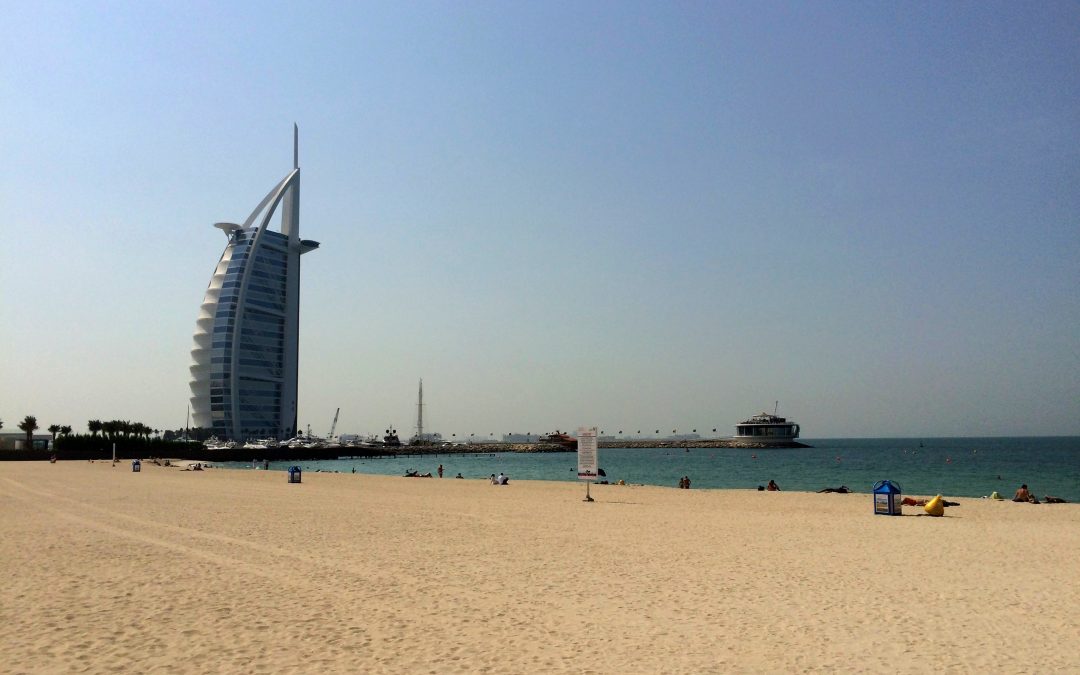
Jumeirah Beach is a white sand beach that is located and named after the Jumeirah district of Dubai, United Arab Emirates.
Jumeirah Beach Attractions
The beach features large hotels, resorts, restaurants, shopping zones and housing developments. Also found in this location are the Burj Al Arab hotel, Wild Wadi Water Park, Jumeirah Beach Hotel, and the old-style Madinat Jumeirah (a hotel and shopping complex) and the Jumeirah Beach Park. This park is a great tourist attraction where visitors relax, swim, or play sports like Volleyball etc.
In the beach you will find a number of exhibition halls and museums like Majlis Ghorfat Umm-Al Sheif, Etihad Museum, and Visitor center Jumeirah Archaeological Site where you can experience the old age charm as well as shop a wide range of trinkets, decorative items, furniture, tea sets, shishas and pashmina shawls.
Jumeirah is considered to be the party hub for Dubai. When the sun sets the beach transforms itself into a glittering world of pubs, clubs, and lively bars.
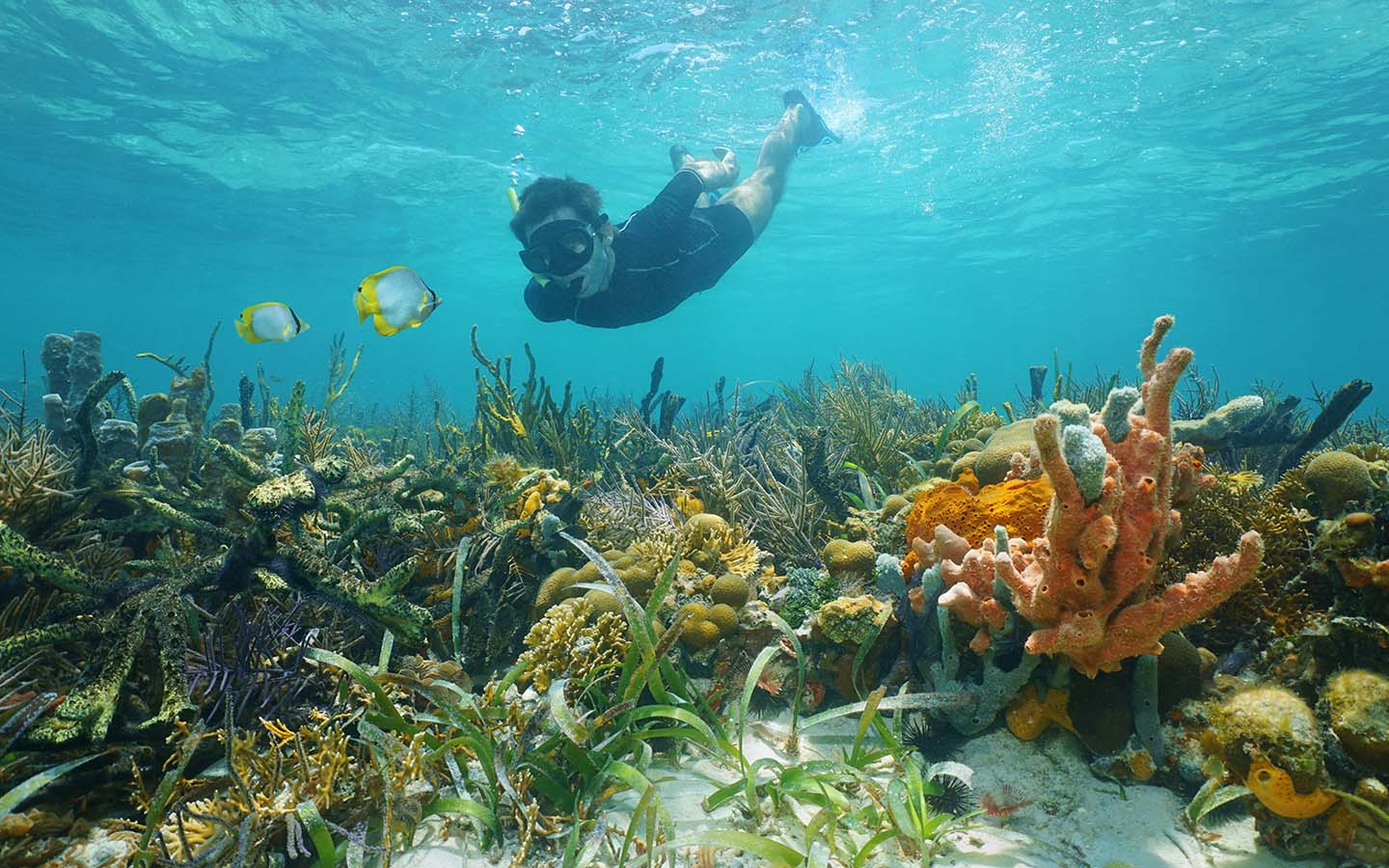
Activities at Jumeirah Beach
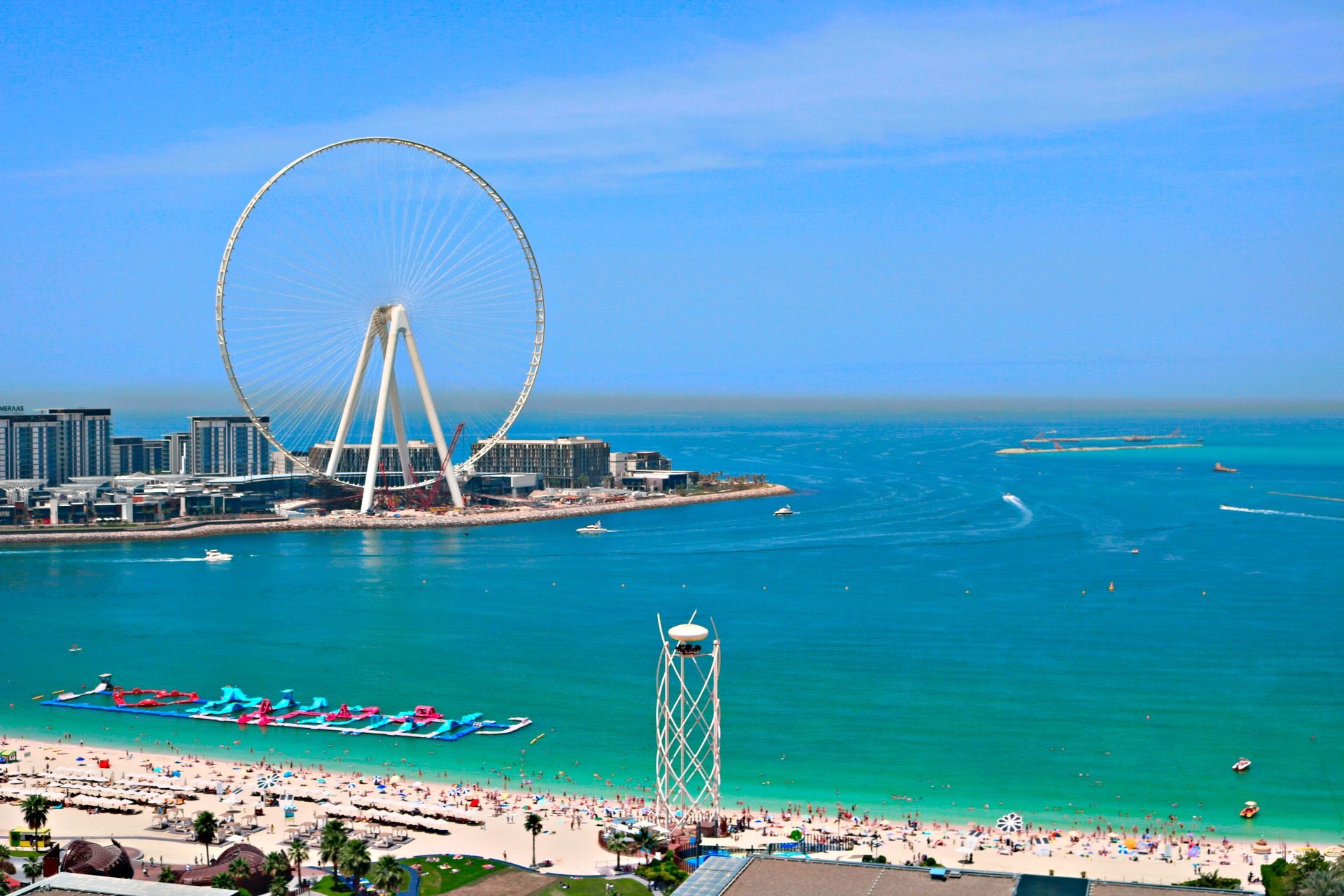
Several bars across the shore which enable bar hopping with night vibes and music.
Places to Eat at Jumeirah beach Dubai
Shopping places near Jumeirah beach Dubai
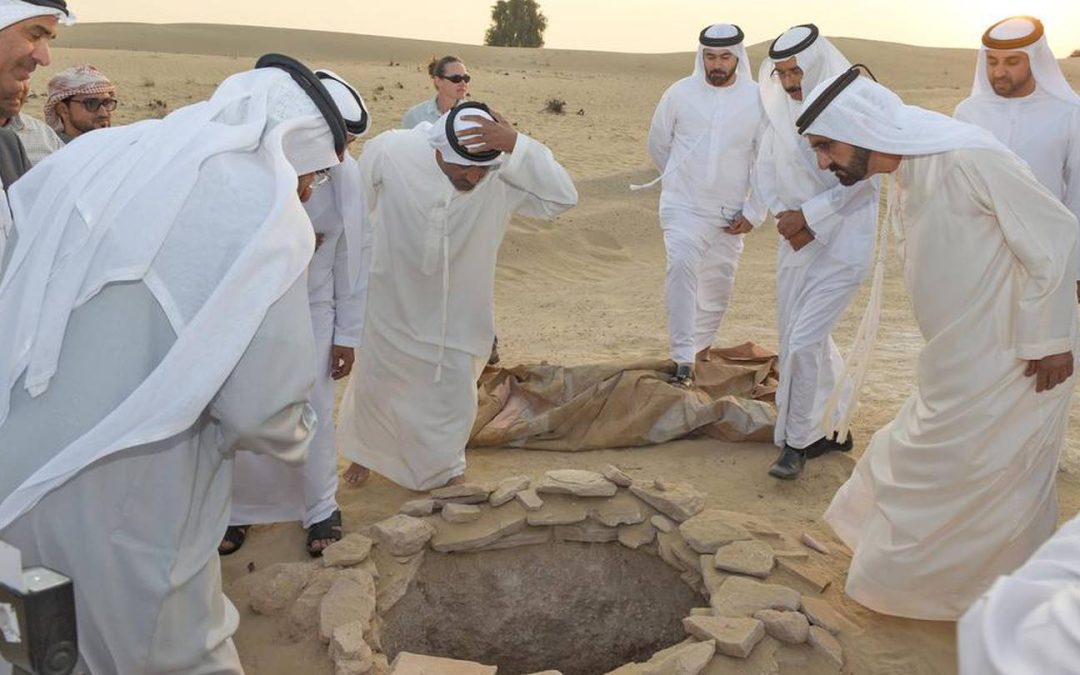
Saruq Al Hadid is an archaeological site in Dubai, United Arab Emirates (UAE). Findings from the site are displayed in a museum with the same name in the city of Dubai. The site was originally discovered by the ruler of Dubai, Sheikh Mohammed bin Rashid Al Maktoum, while flying his helicopter across the desert. He noticed a large black deposit in the sands and he reported the site to Dubai Municipality.
The site proved to be a field of waste, or slag, from copper and iron smelting. It was noticed that the extensive slag field, measuring some 1.5 hectares, had stopped the sand from shifting and blowing and so had preserved the underlying excavation site.
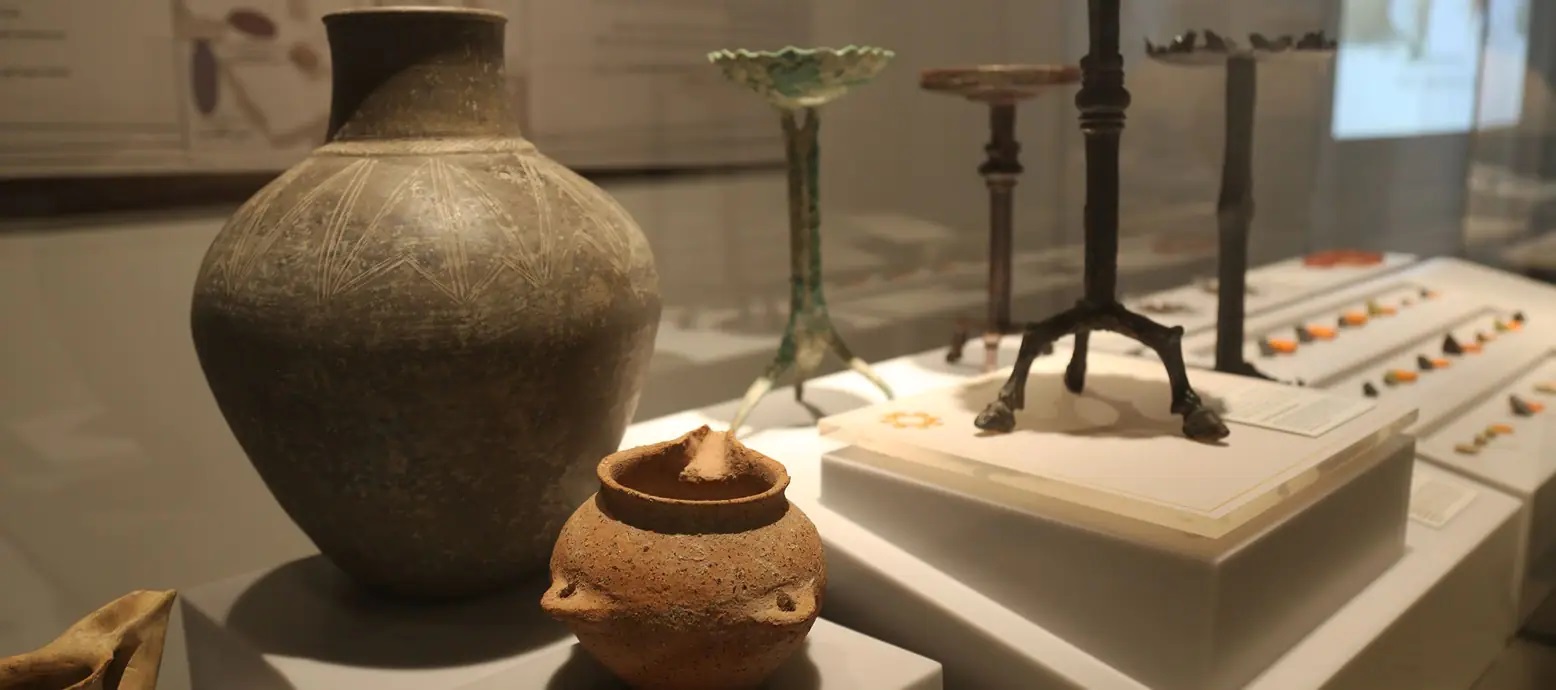
The Saruq Al Hadid site is believed to have been a centre of constant human habitation, trade and metallurgy from the Umm Al Nar period (2600–2000 BCE) to the Iron Age (1,000 BCE). During the iron age this site was a major location for smelting bronze, copper and Iron.
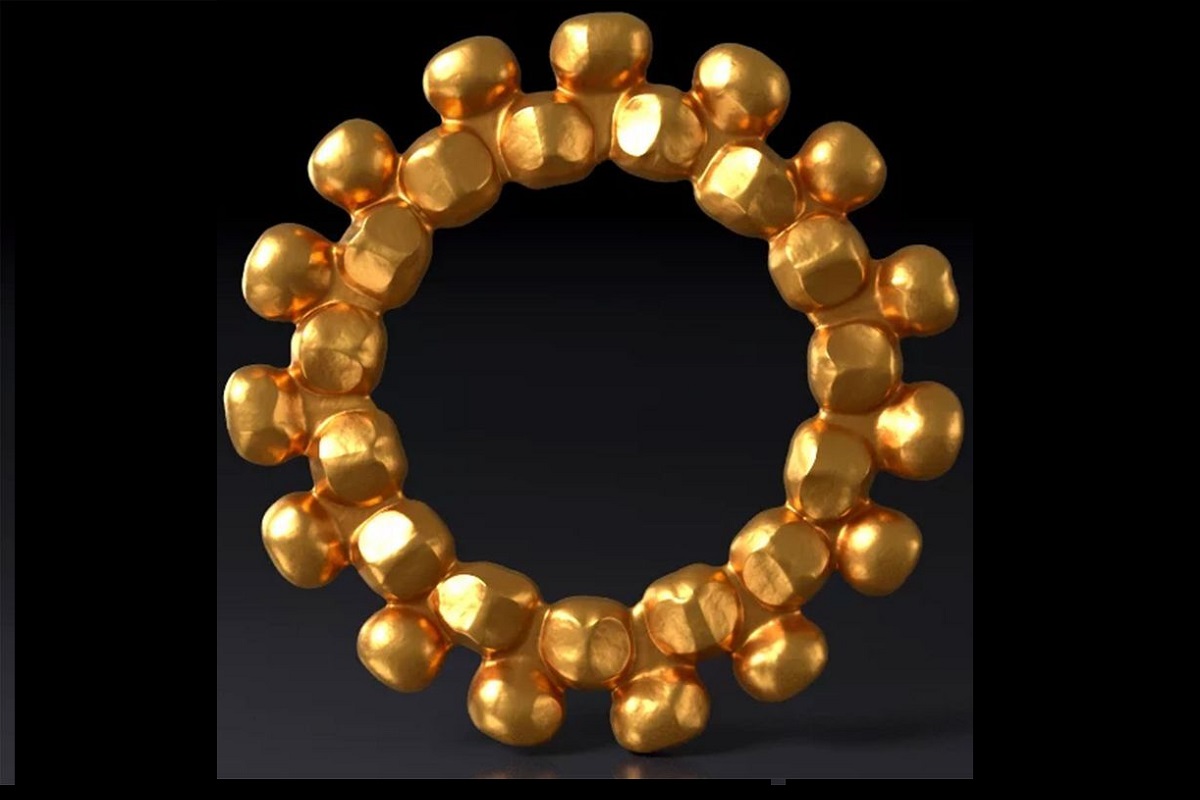
Arguably its most important period of development as a metallurgical centre was in the Iron Age II period (1100–600 BCE). Thousands of finds were documented at the site. One of the finds was an ornate gold ring, which became the logo for Dubai’s Expo 2020.
Archaeological Findings
Over 12,000 unique objects, mostly consisting of pottery and metal artifacts, have been excavated at the site. Some of the findings indicate some form of snake worship prevalent at that time. The findings also indicate that this place was a hub for manufacturing and international trade.
The fossilized bones of fish found in the excavation site tell us the people of that time went far and across the oceans even though they lived in the desert. One can infer the valuable beads found were meant to be sold in India.
Museum
Visitors to the museum can even carry out their own dig in a simulated archaeological excavation. Children have their own gallery trail which keeps them involved and encourages them to explore each room in turn. There is a 3D movie hall in the museum and informative videos are projected on the walls during your exploration journey.
The building that houses the museum has cultural and historical significance in Dubai. It once served as the residence of Sheikh Juma Bin Maktoum Al Maktoum back in 1928. It is one of the finest remaining examples of Dubai’s traditional architecture. It is made of local materials such as coral, gypsum, and Chandal wood. During the conversion of the building into a museum, the original structure was carefully preserved along with new additions.
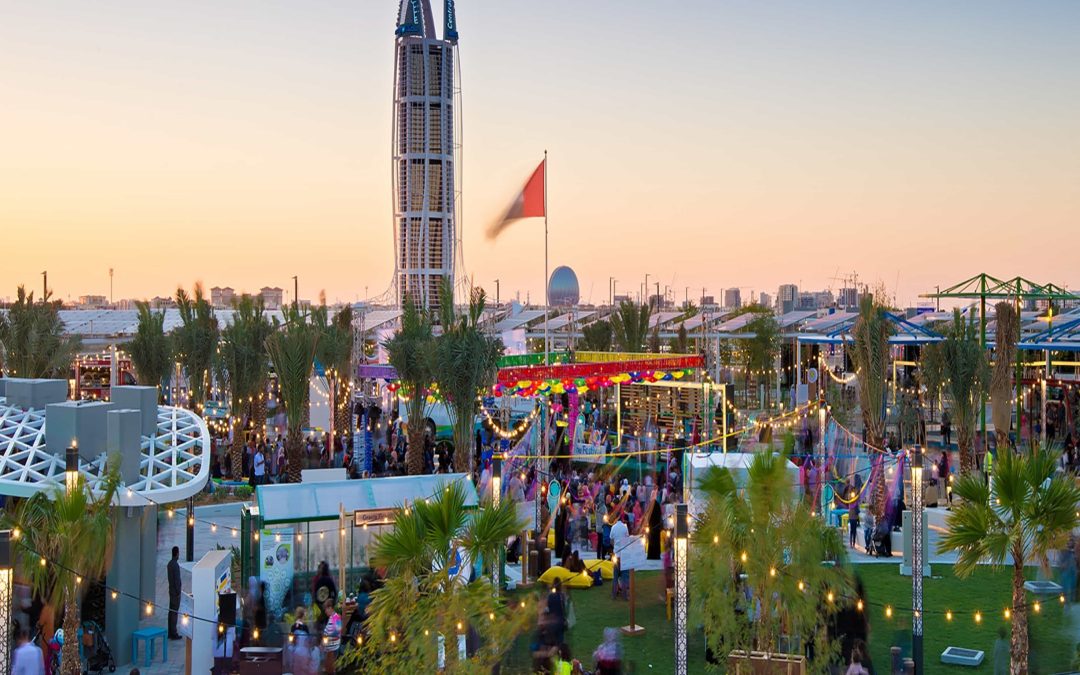
Masdar is a planned city project in Abu Dhabi, in the United Arab Emirates. Literally it means ‘Source City’. Its core is being built by Masdar, a subsidiary of Mubadala Development Company, a state-owned construction company, with the majority of seed capital provided by the Government of Abu Dhabi.
Masdar City is a hub for innovation, research and development, advancing real-world solutions in energy and water efficiency, mobility, and artificial intelligence. Its first tenant was the Masdar Institute of Science and Technology, which has been operating in the city since it moved into its campus in September 2010. Masdar City is a highly planned, specialised, research and technology-intensive municipality.
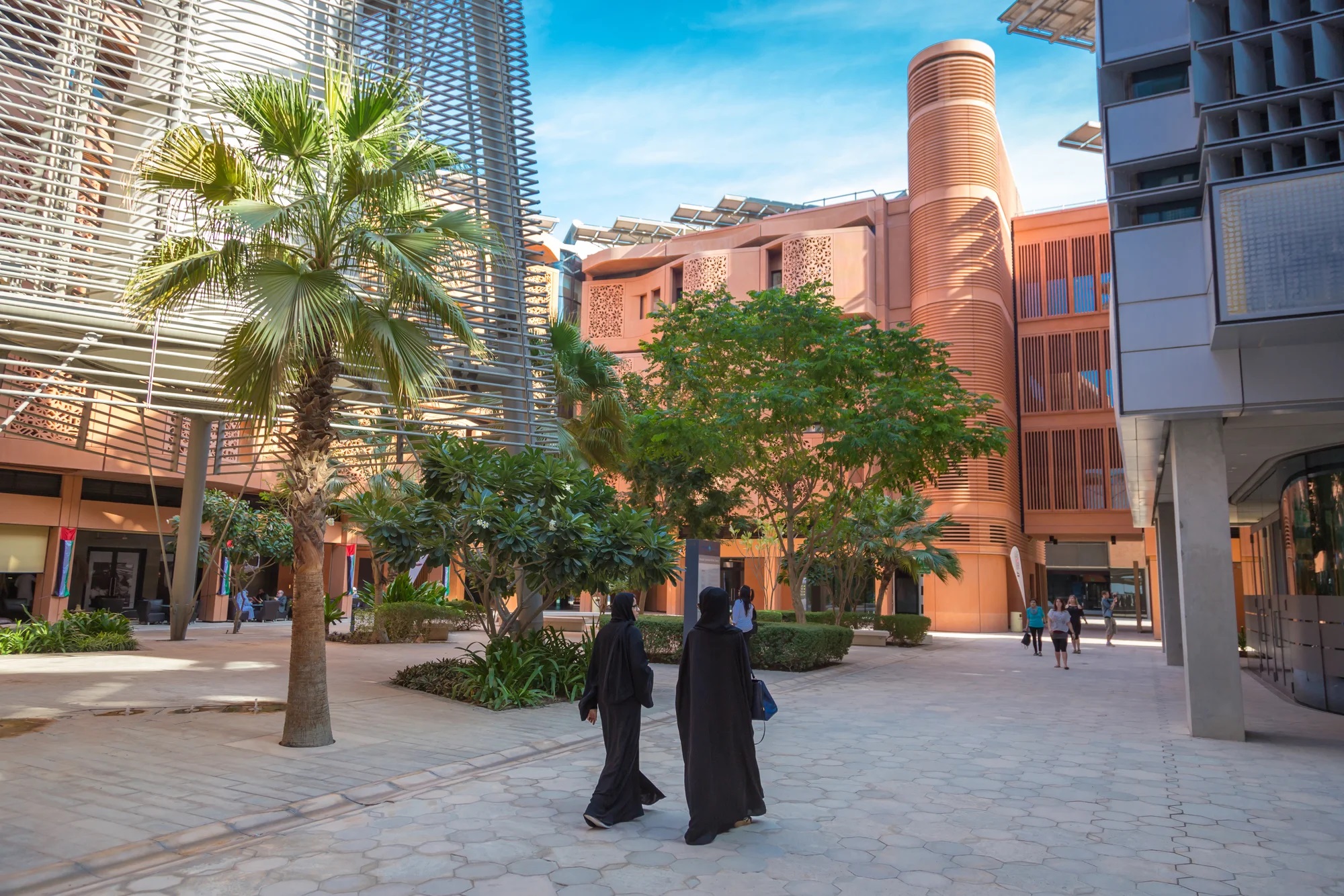
Cars are not allowed inside the city. You have to park the car in the car park provided. In the city you can take autonomous pods and self drive buses for movement within the city.
Masdar City is a living, working community where residents, academics and business professionals live, learn, work and play in an environment that pushes the boundaries of sustainable design, construction, and operation. The city contains one of the largest clusters of low-carbon buildings in the world.
Masdar City Free Zone is a powerful business enabler and incubator. More than 800 companies from six continents operate from Masdar City ranging from multinationals such as Siemens, Honeywell, Lockheed Martin, to regional corporations, SMEs and startups.
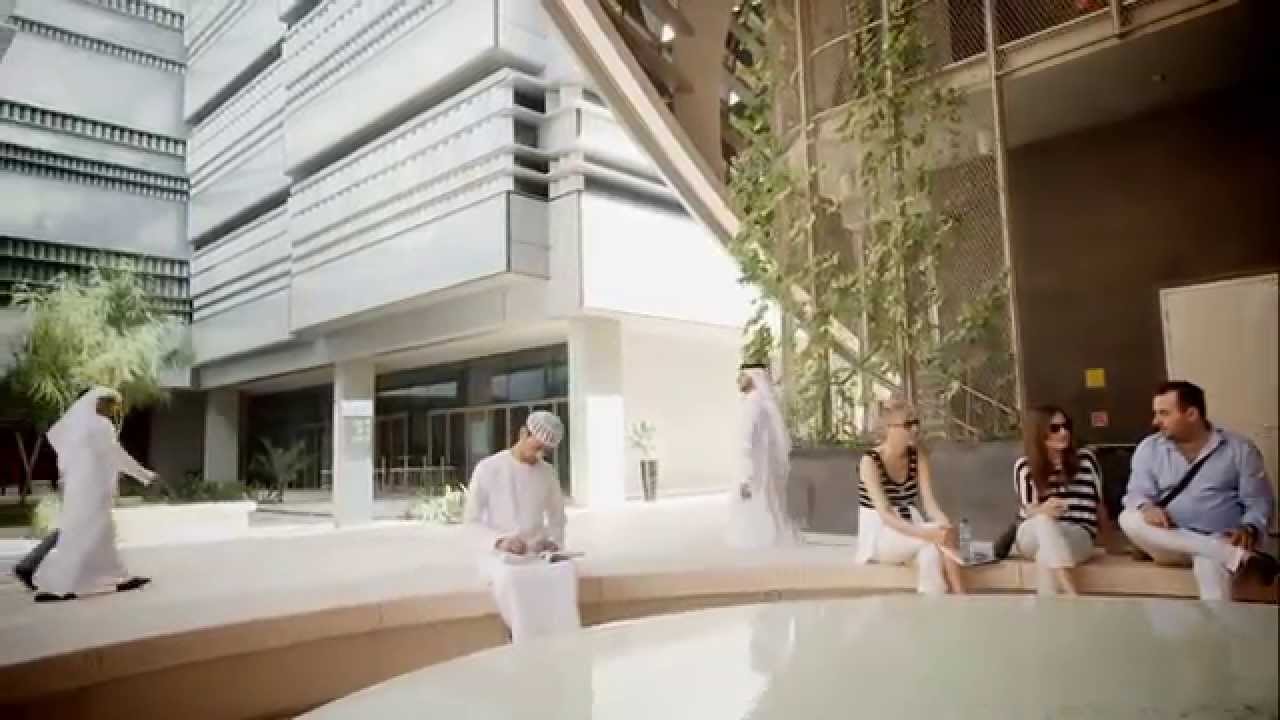
Masdar Park features a children’s playground, music wall, and art installations themed on sustainability.
The companies in the city will concentrate on energy saving and energy substituting projects as well as reuse of water.
Due to the impact of the global financial crisis, the initial 1,000,000 square metres of buildings which was estimated for completion in 2015, was pushed back to between 2020 and 2025 and final completion was estimated to be 2030.
