Featured Image : Dubai Dubai is the capital of the Emirate of Dubai. In the 18th century, it was a...
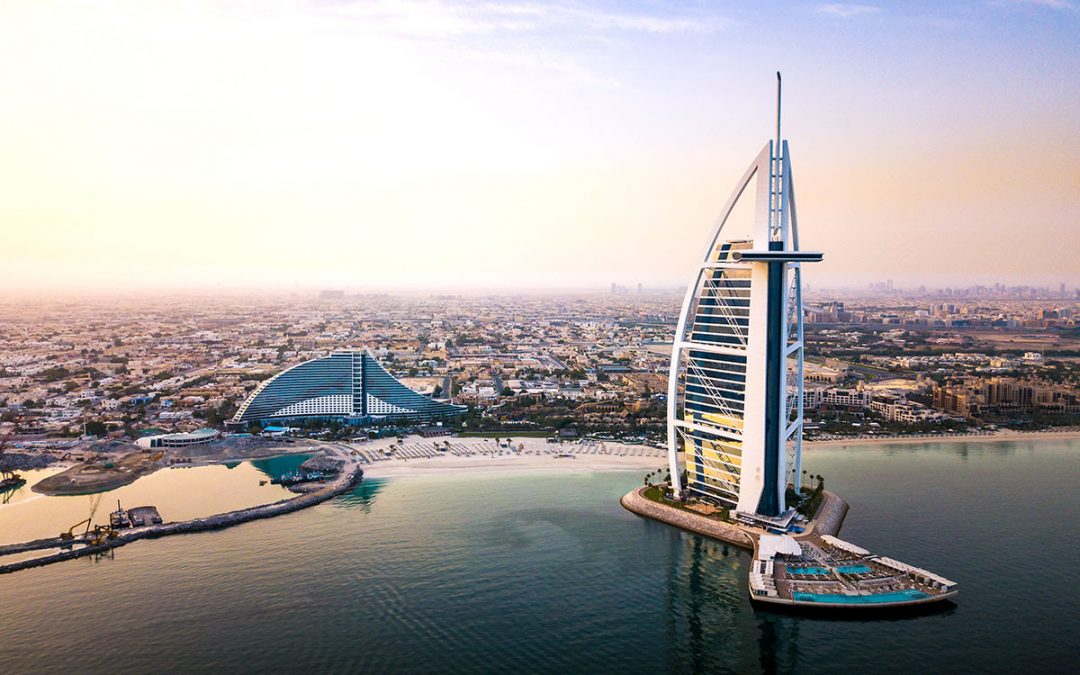

Featured Image : Dubai Dubai is the capital of the Emirate of Dubai. In the 18th century, it was a...
Features information that is relevant to travellers who are thinking about and actively planning a visit Dubai or any part of the Arab World.
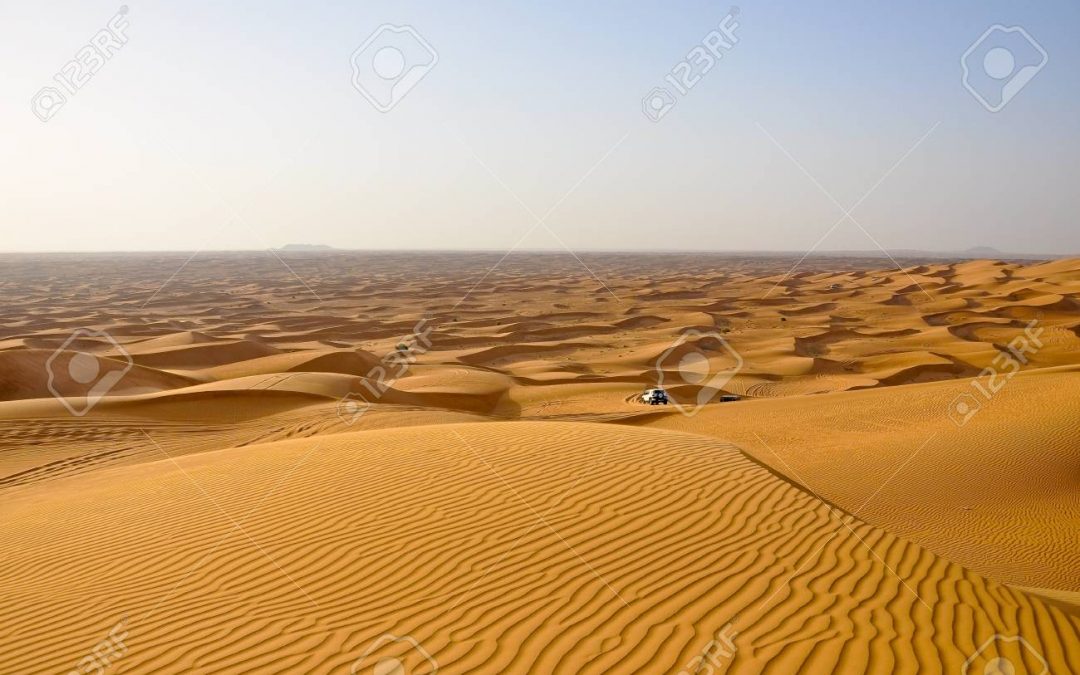
Deserts constitute around 80% of the UAE’s land area. Deserts consist of sand dunes, mountains, rocks, and sand flats or salt flats. One of the UAE’s most notable sand dunes is the 300 metres high Tal Moreeb in Liwa.
The desert is a harsh environment for people, animals and plants because of the extreme heat, and little food and water. Despite the harsh environment, Emirati ancestors, called the Bedouin, were able to survive, making them among the most resilient people on earth. They moved from place to place across North Africa to the Middle East in search of grazing areas. The deserts get less than 25 cm of rain in a year, this us not enough to support vegetation. Yet some species of plants, animals and other organisms have evolved to survive the harsh conditions, scarce water and arid landscapes.
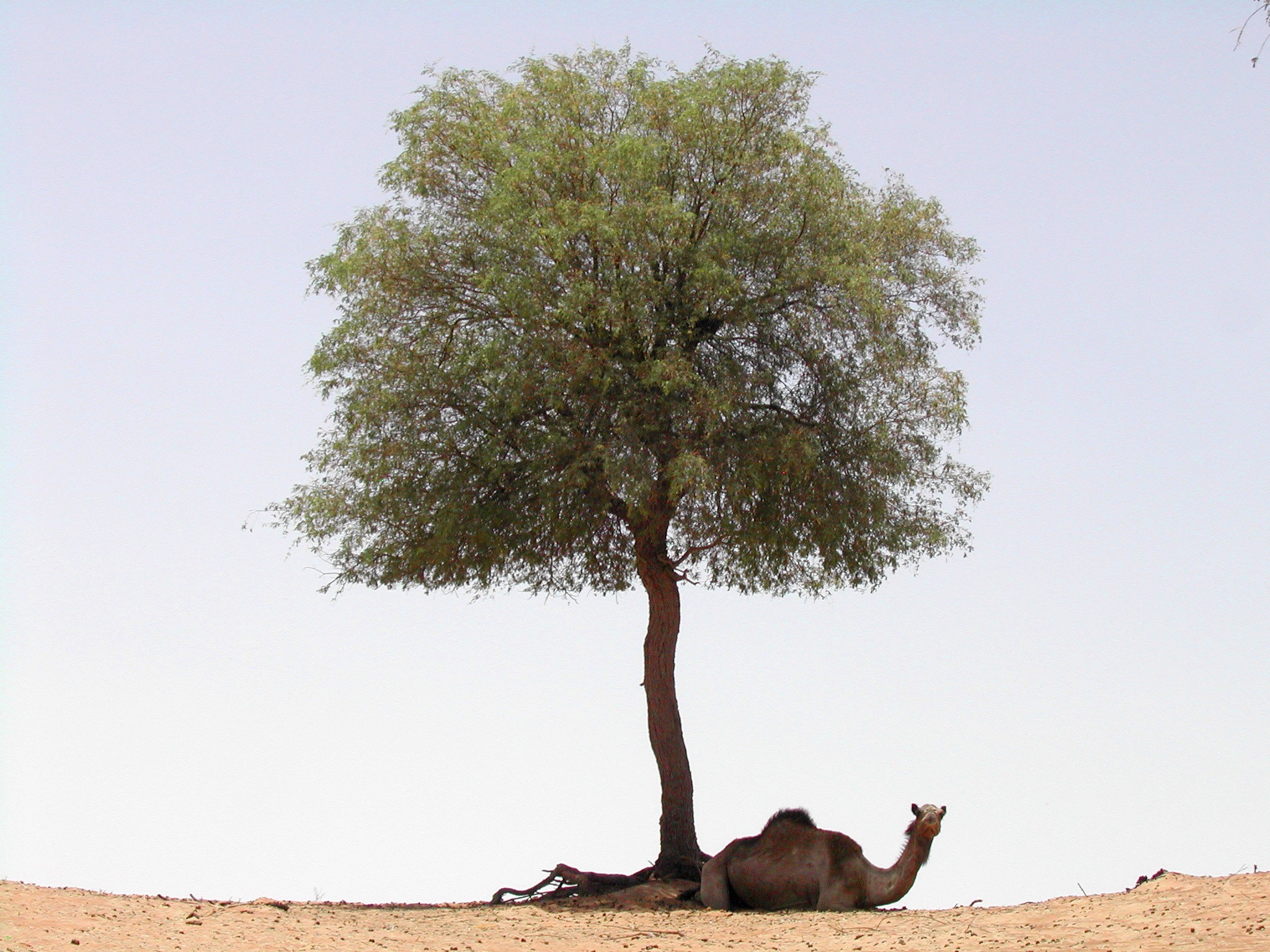
Contrary to the belief that desert is deserted, there is an unbelievably diverse ecosystem consisting of plants, animals and other organisms that have evolved to survive the harsh conditions, scarce water and arid landscapes. Desert plants and animals have evolved to minimize water loss, and are very effective at absorbing, storing and managing the little water they do get, enabling them to survive long periods of drought. For example, the Ghaf tree has roots up to 30 metres long to access water deep underground.
The late Sheikh Zayed bin Sultan Al Nahyan, the founding father of the United Arab Emirates, once said “I do love the desert. Whenever I feel a little tired, I go there to restore my strength,”
Adventure seekers will enjoy the 4WD trips across the desert dunes to camel trekking, sandboarding, and dune buggy trips. Popular desert day trips from Dubai or Abu Dhabi usually include dinner at a desert camp and offer time at camp for other activities such as sandboarding or short camel rides.
Other tours include wildlife spotting and specialized desert operations and also offer overnight camping amid the dunes.
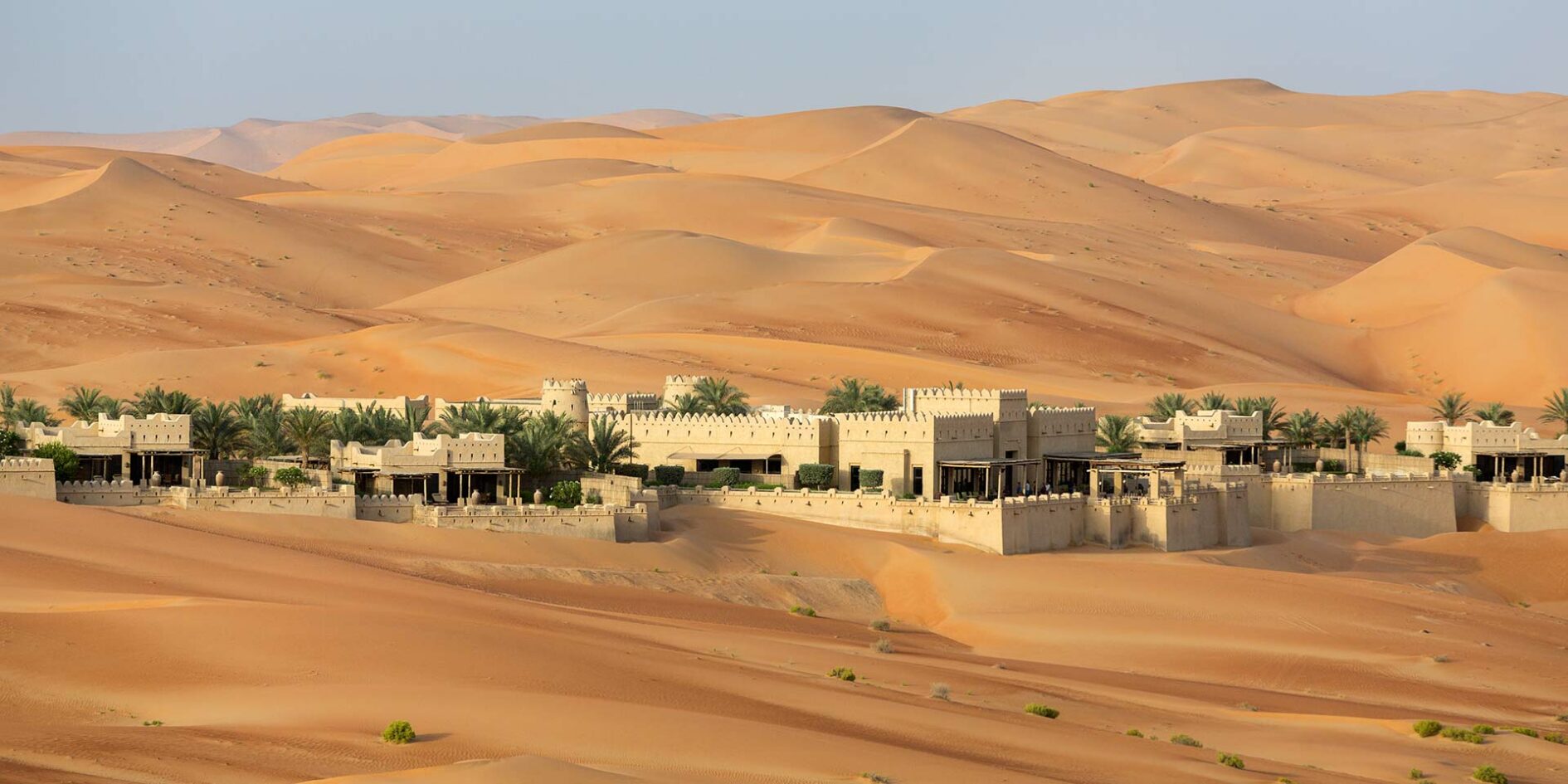
There are a number of luxury desert resorts, where stays are all about soaking up the dune scenery and heading out on desert activities.
There are two sources of water in UAE: Desalinated seawater and groundwater. Desalinated water contributed 24% of the water consumed in the country. Ground water contributed 71% of the water needs primarily for agriculture.
Abut 90% of groundwater in Abu Dhabi Emirate is saline, in some cases up to eight times as much as seawater. There are only two freshwater aquifers. Brackish groundwater is mostly used for the irrigation of date palms which are relatively salt-tolerant. Recharge dams have been built on wadis in order to prevent flood water to flow into the sea.
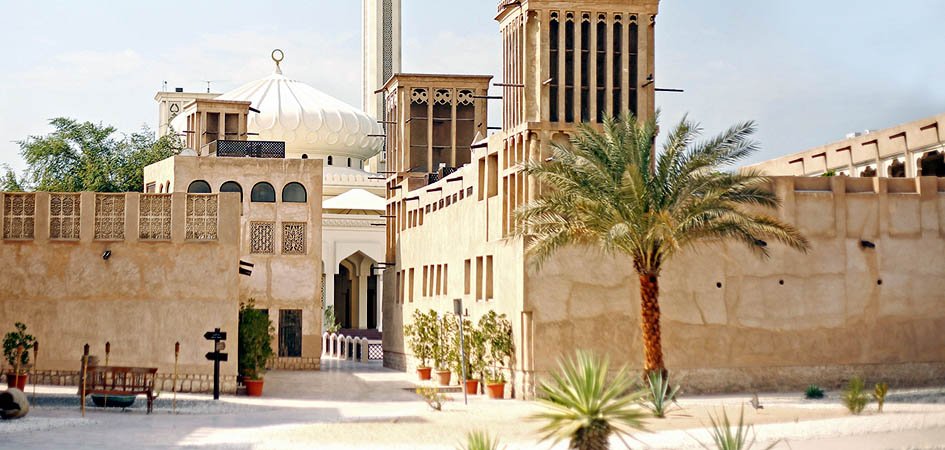
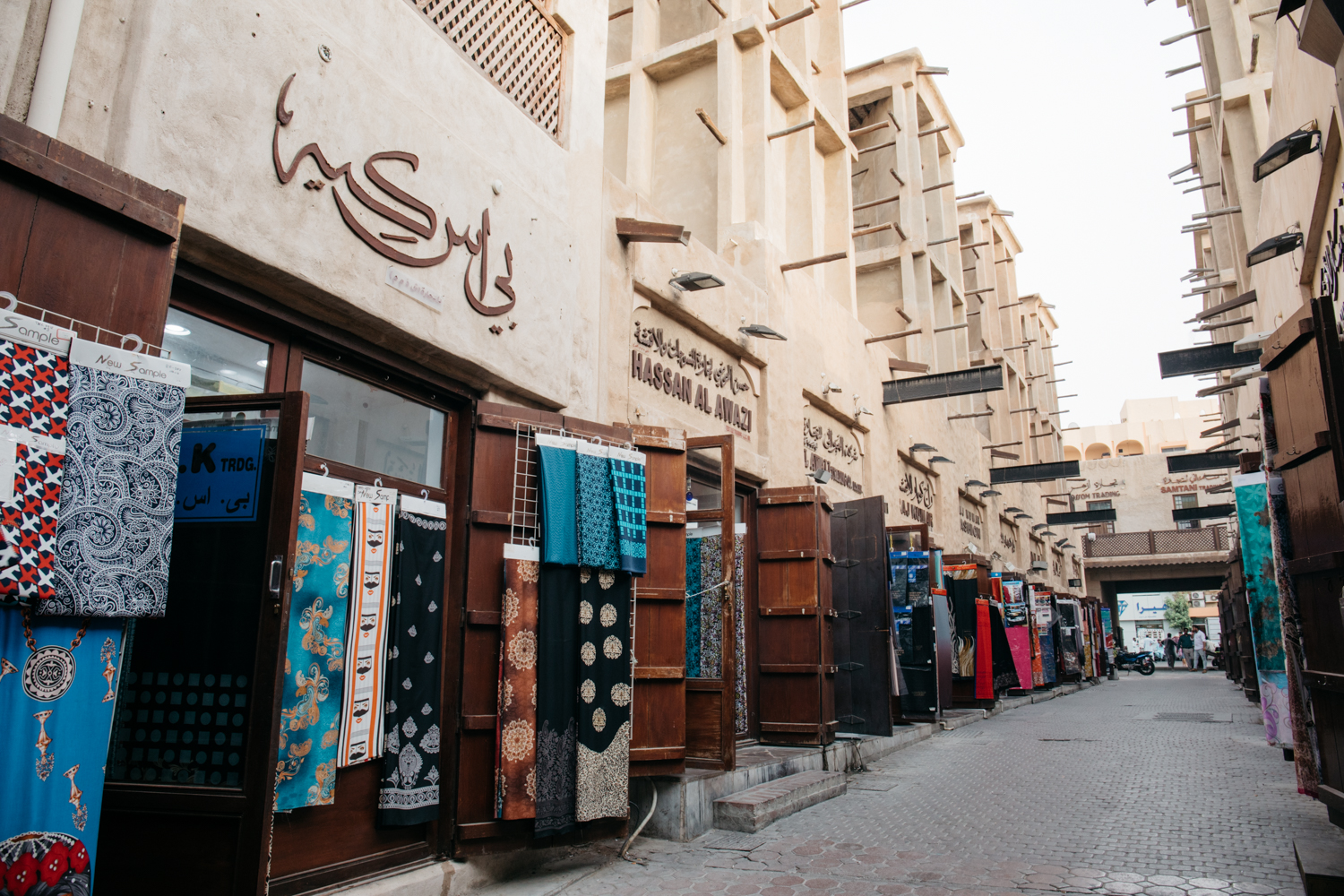
Dubai’s Al Fahidi Neighborhood is the last remaining fragment of Old Dubai. It is also known as Bastakia. This part of the city reminds the simpler, gentler past of the city before skyscrapers took over the skyline. The district holds memories of an era that pre-dates the federation of the emirates — before the union of the Emirati tribes in 1971 and a time when the pearl trade flourished in the region. The buildings here date back to the 1890s and were made with traditional materials such as coral, stone, mud and wood. The 18th-century Al Fahidi Fort is now home to Dubai Museum’s pearl-diving exhibits. Sheikh Saeed Al Maktoum House is a former royal residence now displaying old photos and documents, while the Heritage and Diving Villages have replica mud huts with potters and jewelers at work. The Textile Souk offers colorful pashminas and handicrafts.
In the 1980s half of the Al Fahidi Historical Neighborhood village was demolished to make way for the development of a new office complex. The remaining houses were mostly used as warehouses or accommodation for foreign laborers.
Rayner Otter, a British architect, bought a house and renovated it for his personal use. He started a campaign to preserve the area and wrote a letter to Prince Charles, who was scheduled to visit Dubai that year. During his visit the Prince suggested that Al Fahidi Historical Neighborhood should be preserved and the demolition was canceled.
Now the narrow, winding lanes in the area are lined with carefully restored traditional buildings in typical Arabian architectural styles. Many of the buildings feature the wind towers, which kept houses cool before air-conditioning became common.
Many of the buildings now house small museums, art galleries, and craft shops, allowing you to see the typical Arabian interiors. The Sheikh Mohammed Center for Cultural Understanding is also based within the quarter.
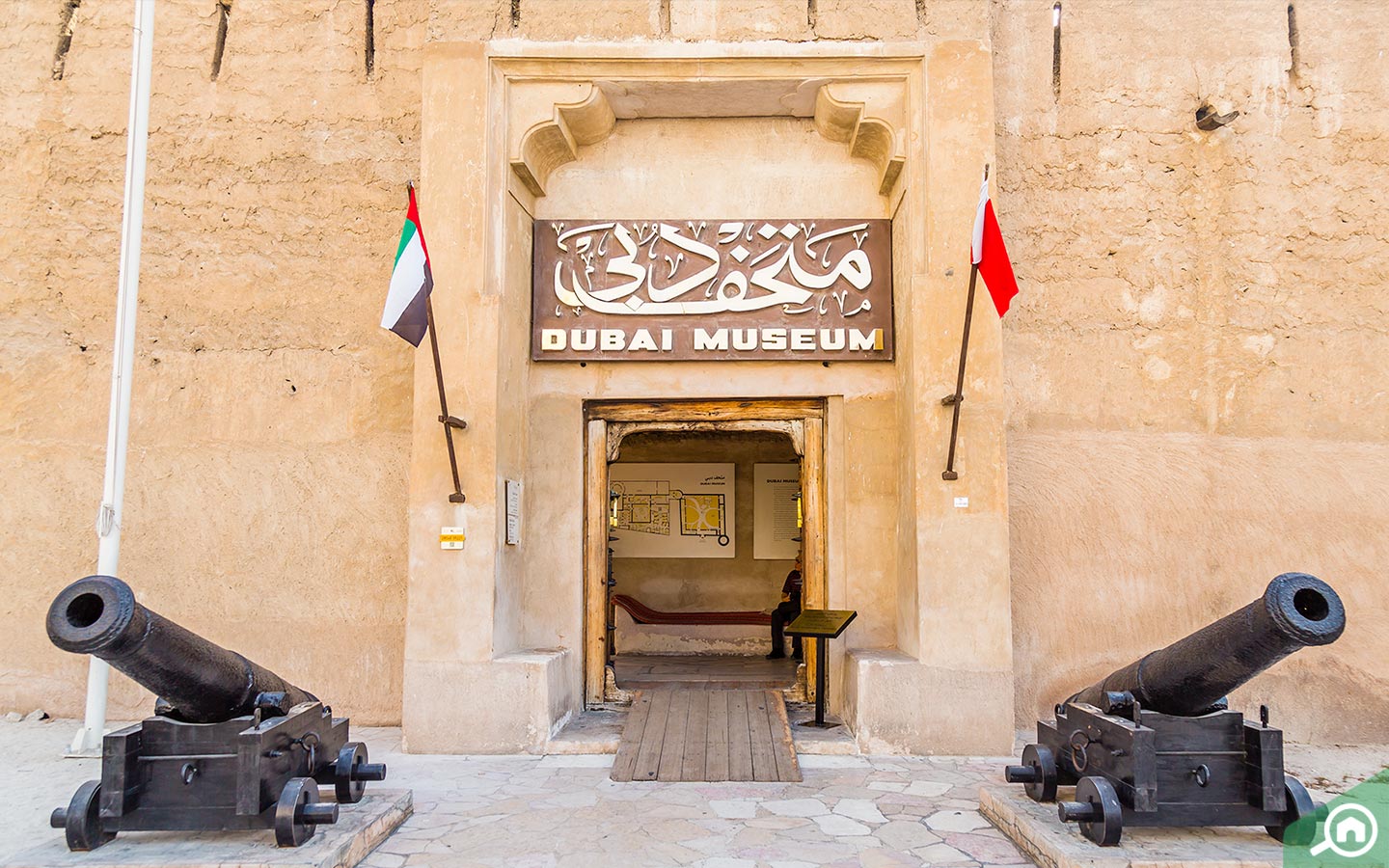
Dubai Museum is located here. The structure, originally built in the 1700s, is the restored Al Fahidi Fort. The building served as a home to a former reigning monarch and even served as a prison before it was converted into a museum in 1971. In the museum one can see replicas of the traditional markets of old, ancient weapons, pottery and tombs. Notable exhibits include those which depict pearl diving, which was an important part of the old economy before the discovery of fossil fuel.
Visitors can enjoy Bedouin-style traditional meals in this area, to experience local culinary heritage. Depending on whether you come for breakfast, brunch, lunch or dinner, you’ll get to taste such local dishes as balaleet (sweetened crunchy vermicelli), chabab (cardamom-spiced pancakes), saloona (a stew) or machboos (a rice and meat or fish dish).e local culinary heritage.
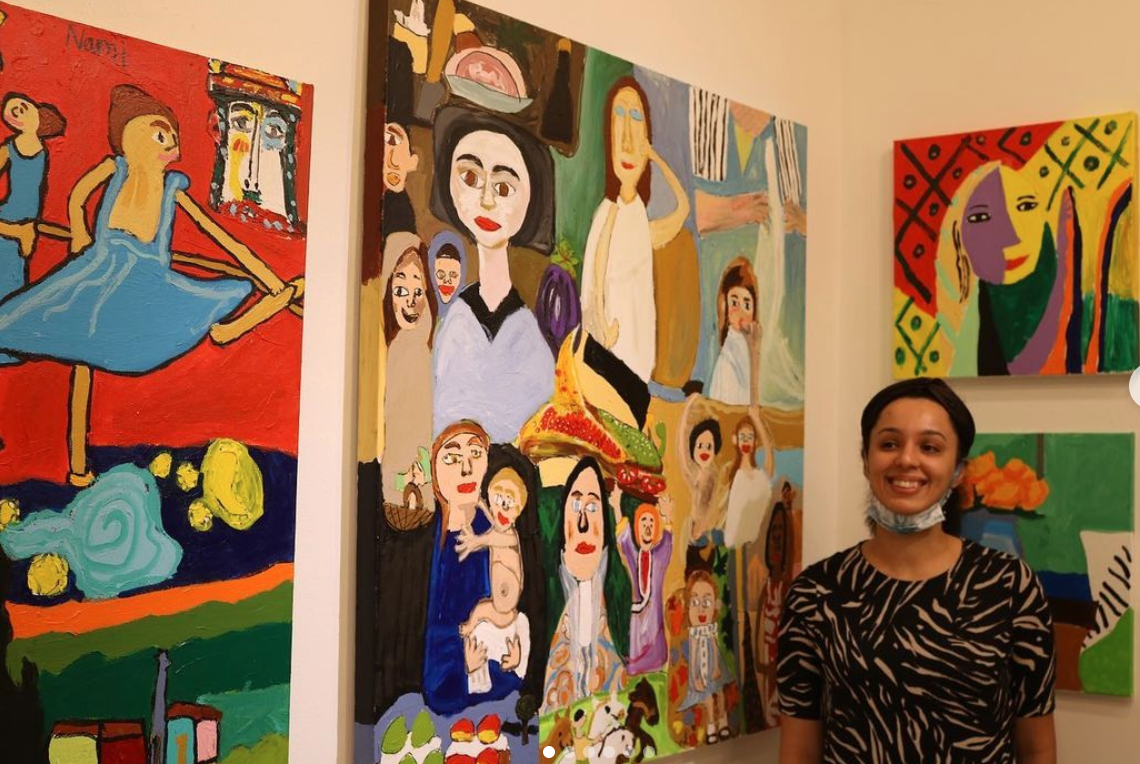
Mawaheb is an art studio. The purpose of the studio is to develop the artistic skills of people above or equal to the age of 16 and have special needs.
Arabian Tea House Café serves traditional Arabic food. XVA Gallery specializes in contemporary art from the Arab world, Iran and the Subcontinent.The gallery also features an Art Hotel and Cafe, serving Middle Eastern vegetarian food.
Shaikh Muhammad Center for Cultural Understanding, a non-profit organization, spreads cultural understanding among the people of Dubai. Guided by the motto ‘Open Doors, Open Minds’, this unique institution was founded in 1995 by Dubai’s ruler, Sheikh Mohammed Bin Rashid, to build bridges between cultures and to help visitors and expats understand the traditions and customs of the UAE.

On the ground floor of the Coffee Museum, visitors can buy coffee of their choice and on the second floor there are books relating to coffee. Coffee plays a big part in Emirati culture along with the wider Middle East, and here you can learn all about the cultural significance of this drink. You can discover the history of coffee, and get an insight into production processes and the many varieties of beans, along with different coffee cultures throughout the world.
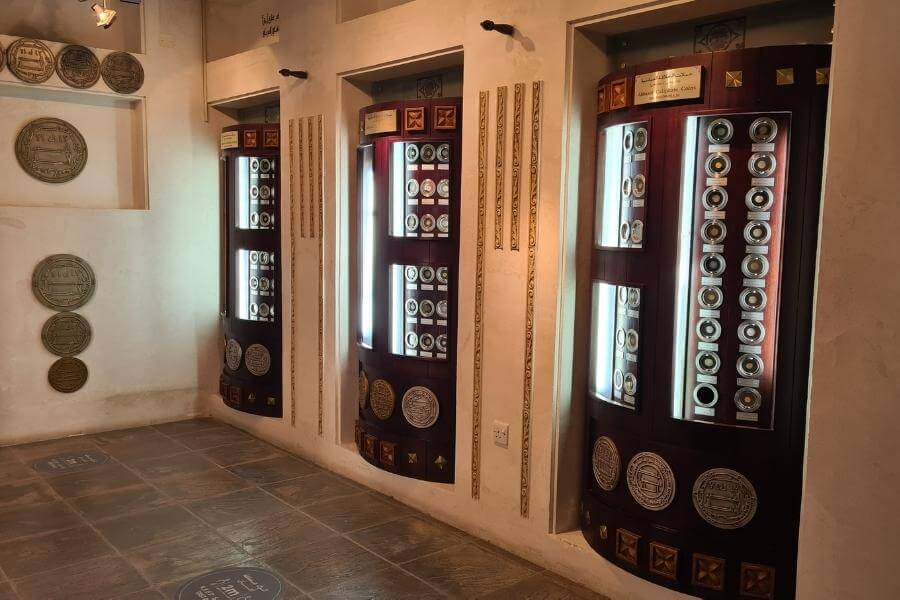
The museum showcases nearly 500 coins mainly from the Arab world from different time periods and geographical locations. The display allows you to inspect each coin closely and gives you details of the minting date, shape and material. Housed in a traditional coral, stone, and sandalwood building, the collections are displayed in eight rooms.
