Featured Image : Dubai Dubai is the capital of the Emirate of Dubai. In the 18th century, it was a...
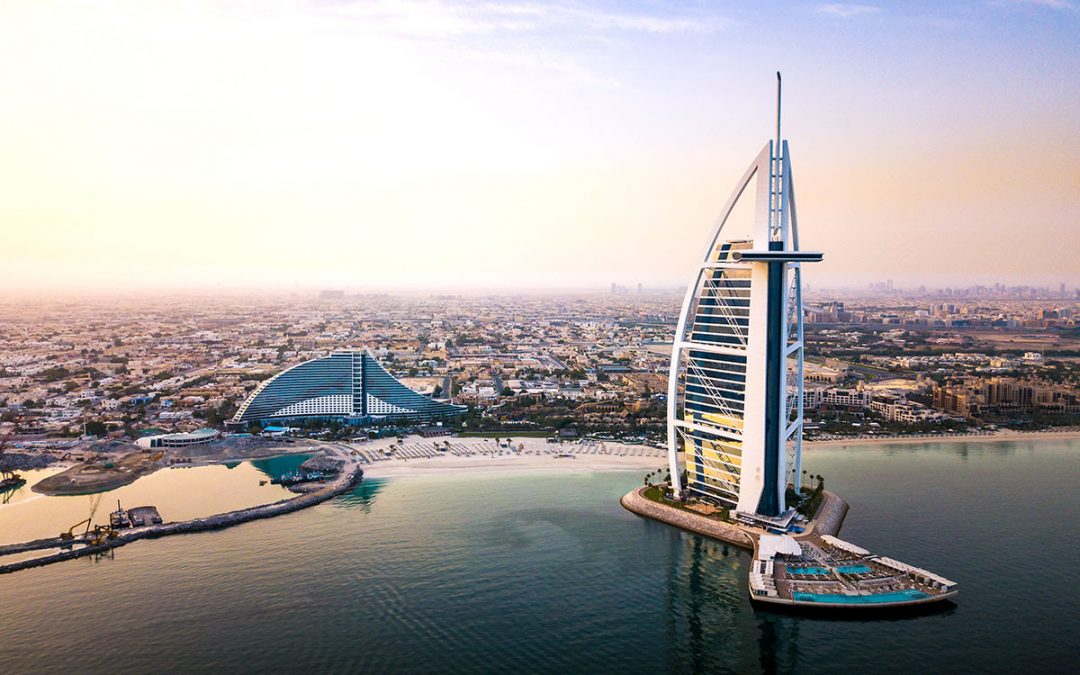

Featured Image : Dubai Dubai is the capital of the Emirate of Dubai. In the 18th century, it was a...
Features information that is relevant to travellers who are thinking about and actively planning a visit Dubai or any part of the Arab World.
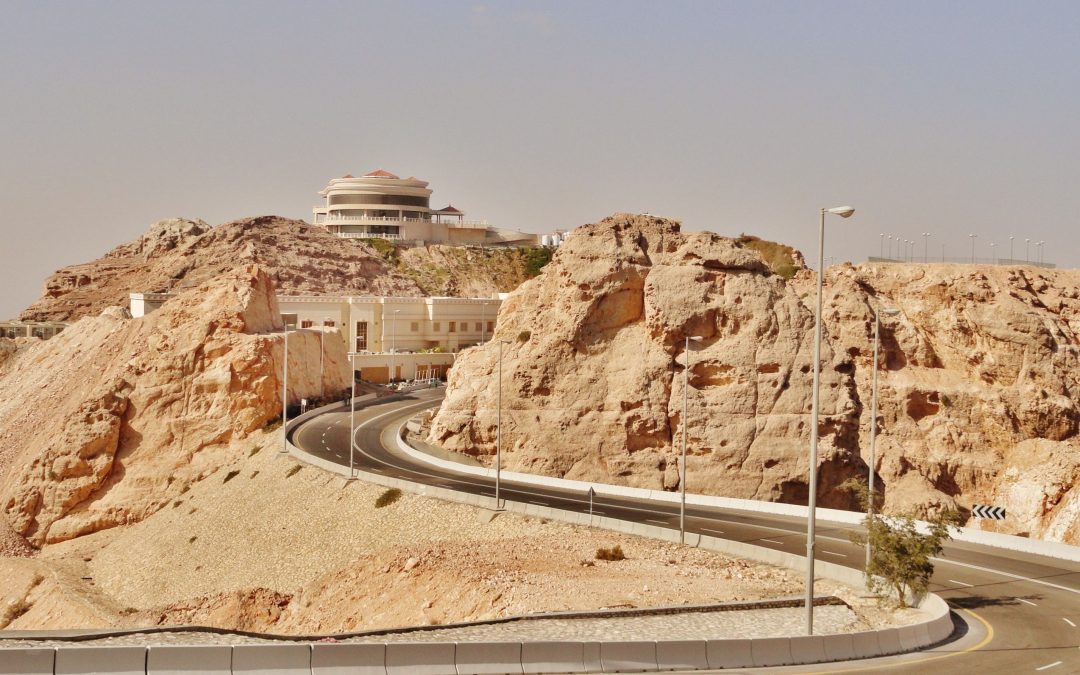
Jebel Hafeet (variously transcribed Jabal, Jabel or Jebal and Hafit or Hafeet) literally means “empty mountain”. This is the only mountain in the Emirate of Abu Dhabi, and one of the highest mountains in the UAE. An extensive natural cave system winds through Jabal Hafeet. The mountain is part of a national desert park, called “Jebel Hafeet National Park”. The park includes the Hafit Graves, Mezyad Fort, and related oases.
Jebel Hafeet offers a breathtaking view of the Rub’ al-Khali, the largest sand desert in the world, and the city of Al Ain, an oasis included in the UNESCO World Heritage lists.
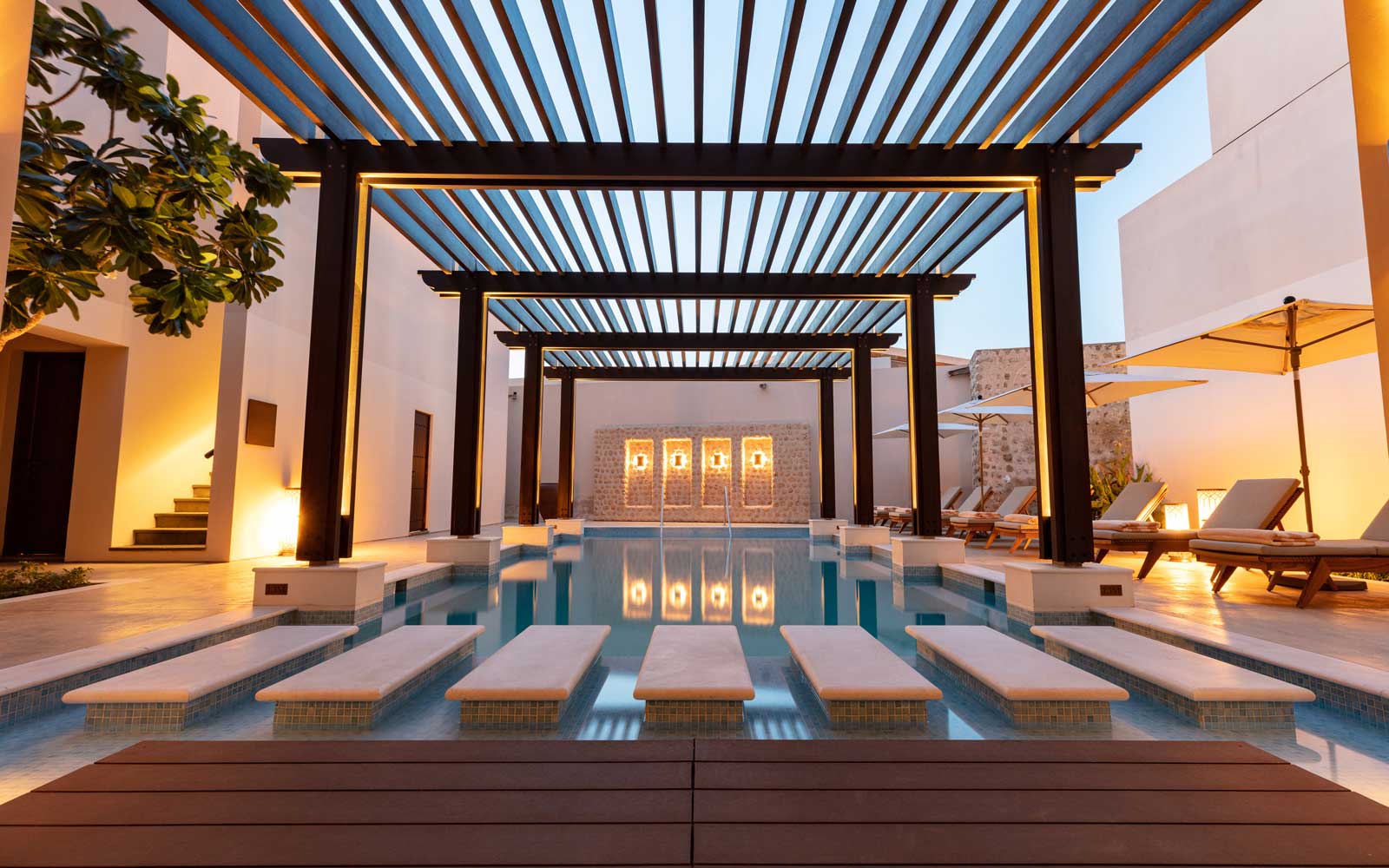
It is best to visit the Jebel Hafeet in the summer months, that is, from April to September. Mercure Grand Jebel Hafeet hotel is located atop the mountain. It offers 3 restaurants and 3 swimming pools with water slides. A blend of French, Moroccan and Italian food is served at Le Belvedere and oriental food can be tasted at the Orient Café.
In UAE history, the period from 3200 to 2600 BCE (Bronze Age), is called Hafit Period, named after this mountain. A cluster of important Bronze Age beehive tombs were discovered at the foothills of this mountain. This mountain region was incorporated into the Sheikh Zayed Network of Protected Areas in 2018. The excavations found evidence for ceramic vessels and copper artifacts in these tombs. Other objects found in the tombs include ceramics from Mesopotamia, and artifacts from ancient Iran and the Indus Valley of present-day India and Pakistan, indicating the trading relationships in antiquity. Most of the archaeological finds from this area can be seen in the museums of Al Ain.
At the foot of Jebel Hafeet lies a tourist attraction with hot springs and a lake. To the northeast is the mountain’s largest wadi(valley), Wadi Tarabat.
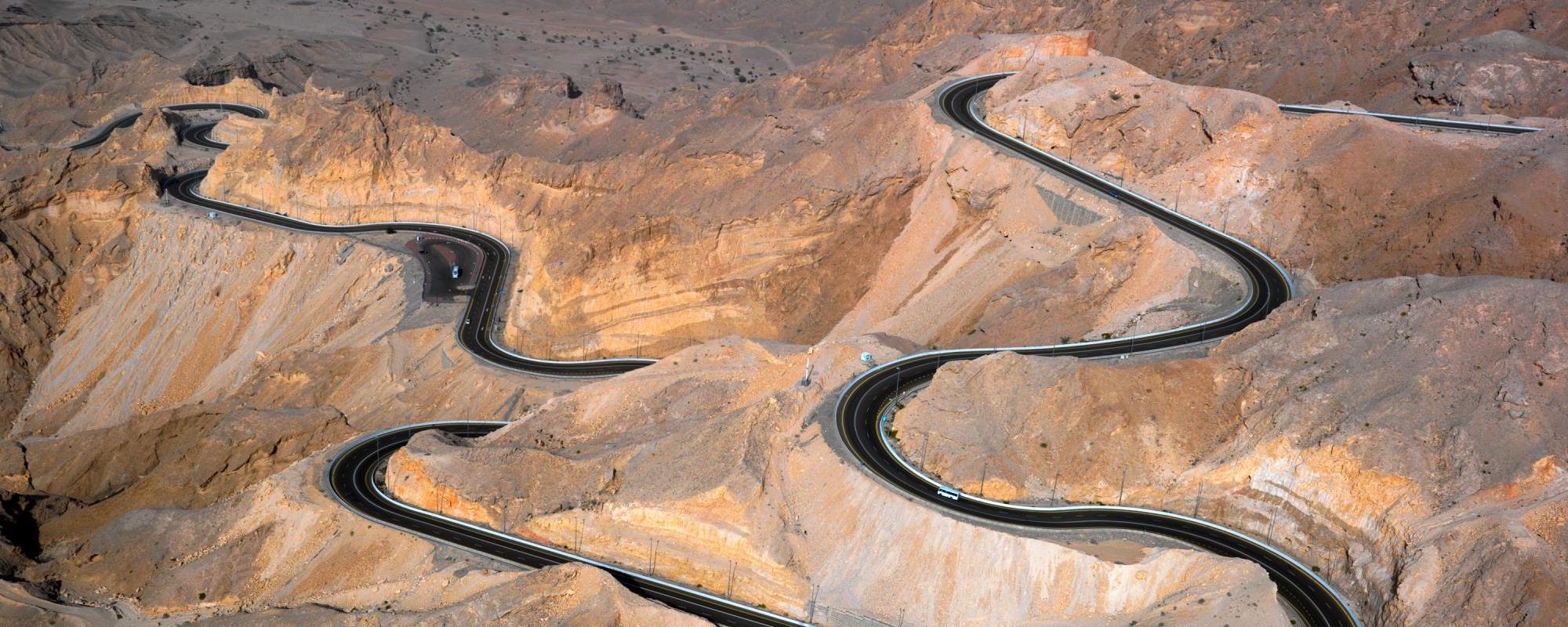
The Jebel Hafeet Mountain Road, built in 1980, is 11.7 km long and leads to the top of the mountain. It has 60 turns and three lanes (two climbing and one descending). Abu Dhabi Tour, an annual road cycling competition is held on this road. You will get the entire view of the Al Ain city sprawling beneath it from the top of the mountain. On top of the mountain there is a vast parking lot. Since 2018, barbecuing in the mountain area has been banned, but there are dedicated spots for barbecuing in Jebel Hafeet Park for campers.
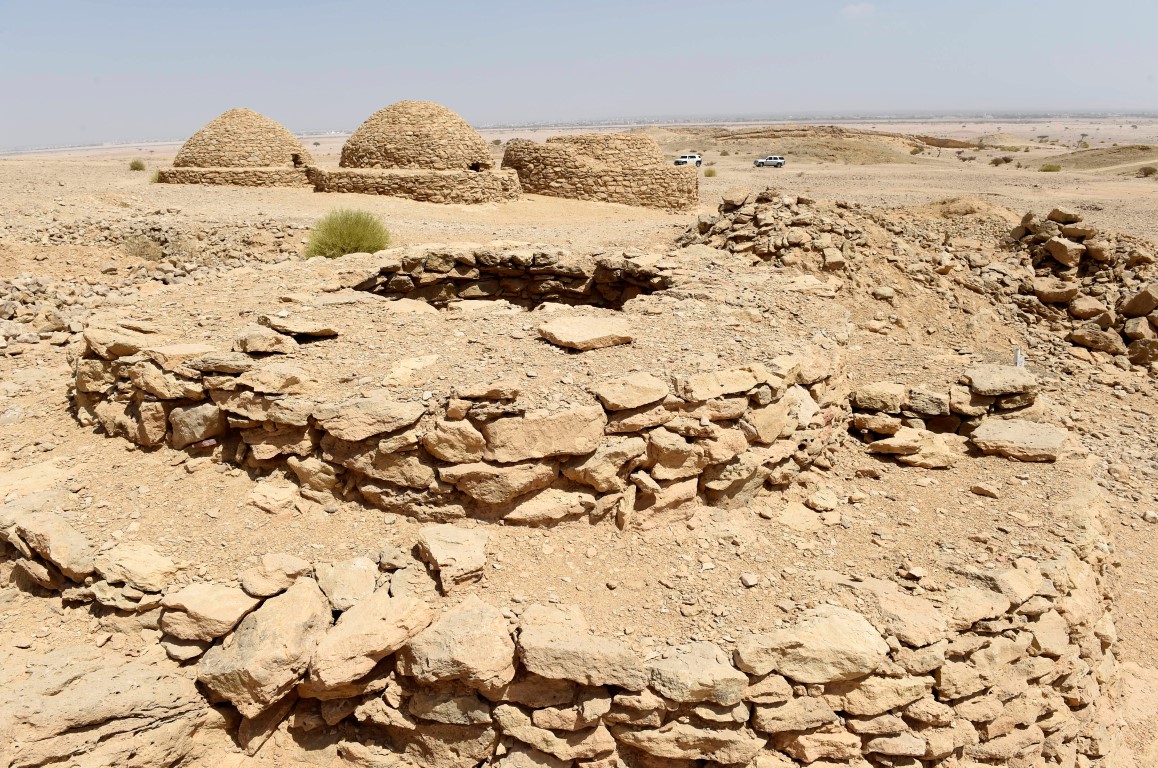
On the eastern side of the mountain there are several ancient burial sites of the people who are believed to have been inhabited the oasis. These tombs were built 5000 years ago at the beginning of the bronze age. The artifacts dug out from here prove the trade links with Mesopotamia and India.
The tombs found here are called ‘beehive tombs’ because of their unique hexagonal shape. A team of danish archeologists first discovered these tombs, thereafter, many more experts came to study the site from different parts of the world. Today, Jebel Hafeet tombs are one of the most visited tourist places in Al Ain.
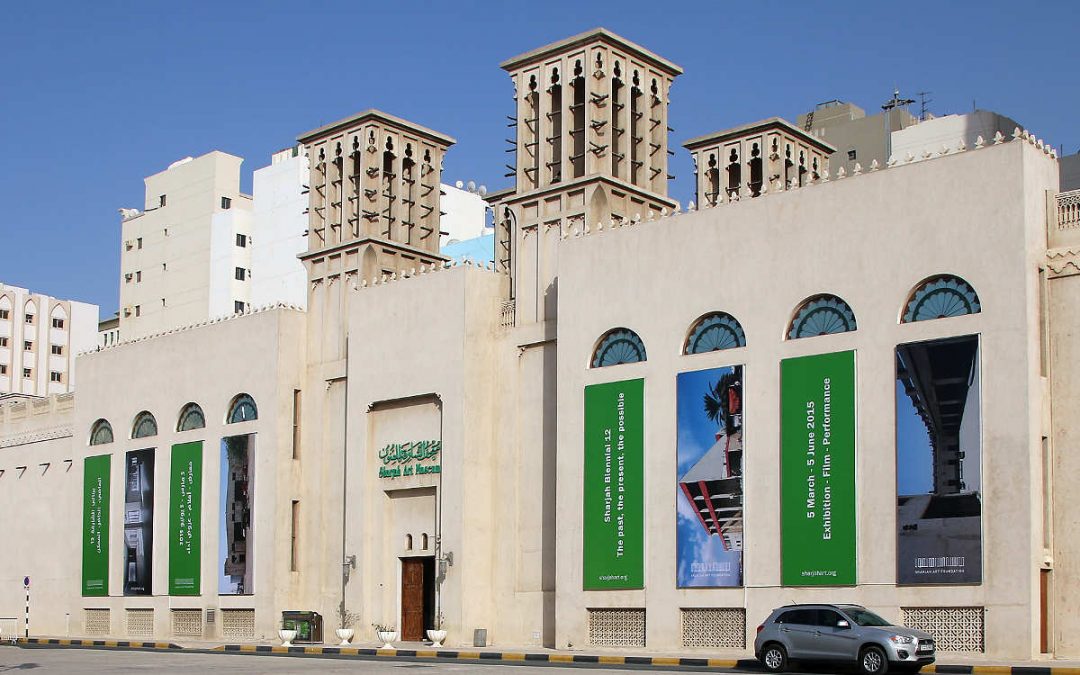
The Sharjah Art Museum is one of the leading art institutions in the Persian Gulf region. The museum has a collection of modern and contemporary art by artists from the United Arab Emirates and other Middle Eastern countries. It also organises and hosts temporary exhibitions and educational events. Some of the temporary exhibitions are created in collaboration with other prominent museums such as Cobra Museum of Modern Art in Amsterdam, TATE Britain in London, Barjeel Art Foundation in the UAE, and The Gibran Museum in Lebanon.
The new building of the Sharjah Art Museum was established on April 7, 1997, under the patronage of Sheikh Sultan bin Muhammad Al-Qasimi, the Supreme Council Member and Ruler of Sharjah during the 3rd Sharjah International Arts Biennial. It has a total floor area of 111,000 m² with galleries over two floors and an underground car park beneath it. The building consists of two wings, interconnected by two passageways over an inner street. Sixty-eight halls of various sizes cover the total area. The current building with its wind tower architecture, is one of the main landmarks in Arts Square.
Sharjah Art Museum Building is regularly used as one of the exhibition venues of the Sharjah Biennial, organized by the Sharjah Art Foundation.
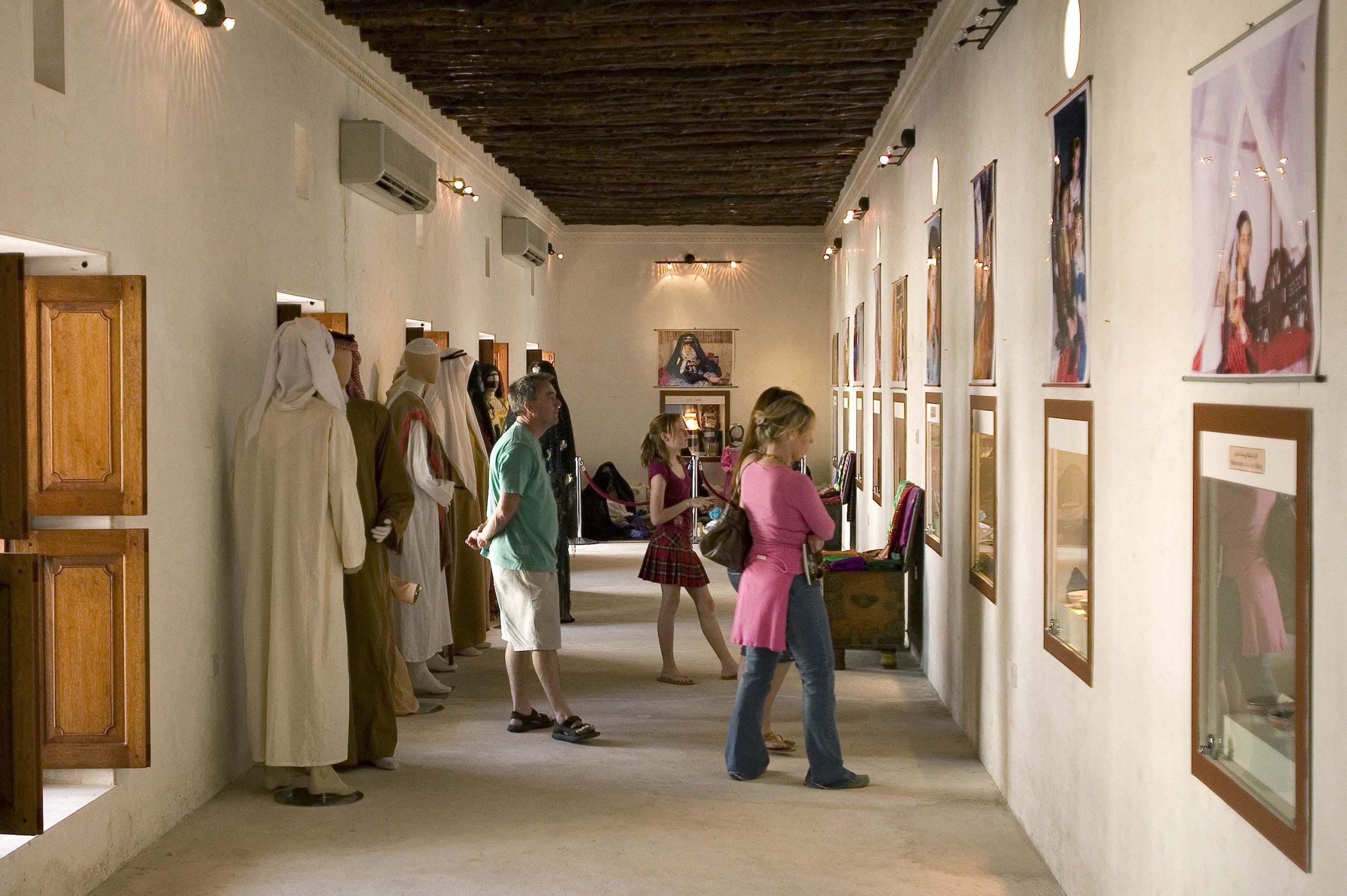
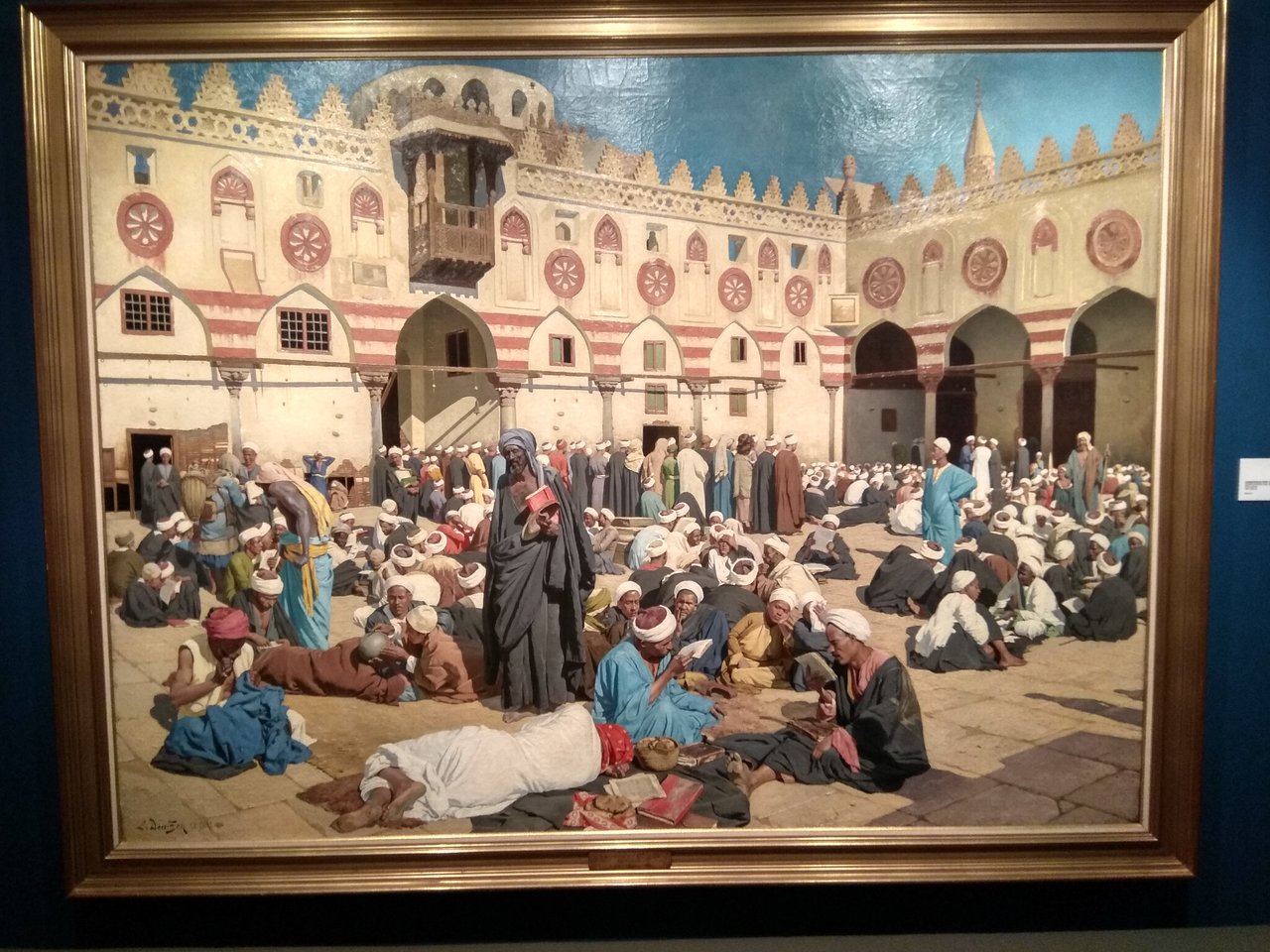
The Barjeel Collection Wing houses contemporary Arab art from the 20th century to the present as well as art from the 18th and 19th century created by both Arab artists and the European artists who focused on the Middle East in their work.
Beyond the welcome hall, the Museum Collection is sorted into themes such as Abstract art, Resistance art, ‘Hurufiyya’ (the art of the letter), Beaux-arts, the Utopian Village, Modernities, Symbolism and Folklore. Beirut born Saloua Raouda Choucair’s masterpiece Poem, a wooden sculpture that dates back to circa 1960 is without doubt one of the highlights of the collection.
The Fine Art Library located at Sharjah Art Museum consists of over 4000 titles written in Arabic, English, and other languages, besides an archive of visual and audio materials.
Permanent collections include paintings and sculptures by renowned artists in the Middle East, including: Abdulqader Al Rais, Ahmed Al Ansari, Louay Kayali, Bashir Sinwar, Faiq Hassan, Mohammed Yusuf and Ismail Fatah Al-Turk.
