Featured Image : Dubai Dubai is the capital of the Emirate of Dubai. In the 18th century, it was a...
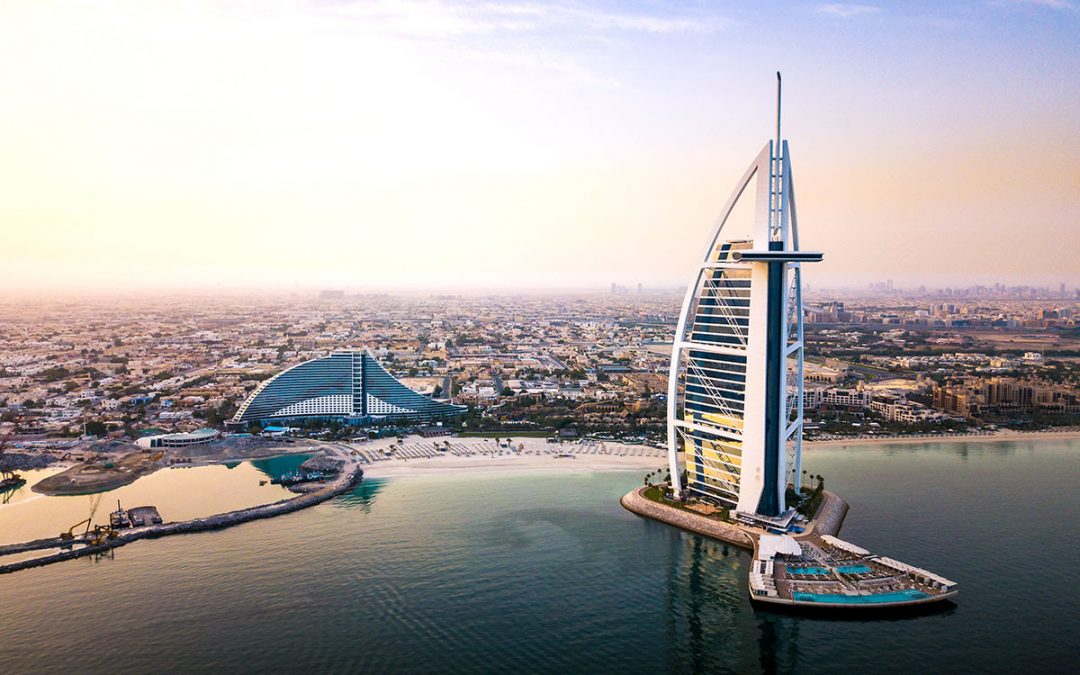

Featured Image : Dubai Dubai is the capital of the Emirate of Dubai. In the 18th century, it was a...
Features information that is relevant to travellers who are thinking about and actively planning a visit Dubai or any part of the Arab World.
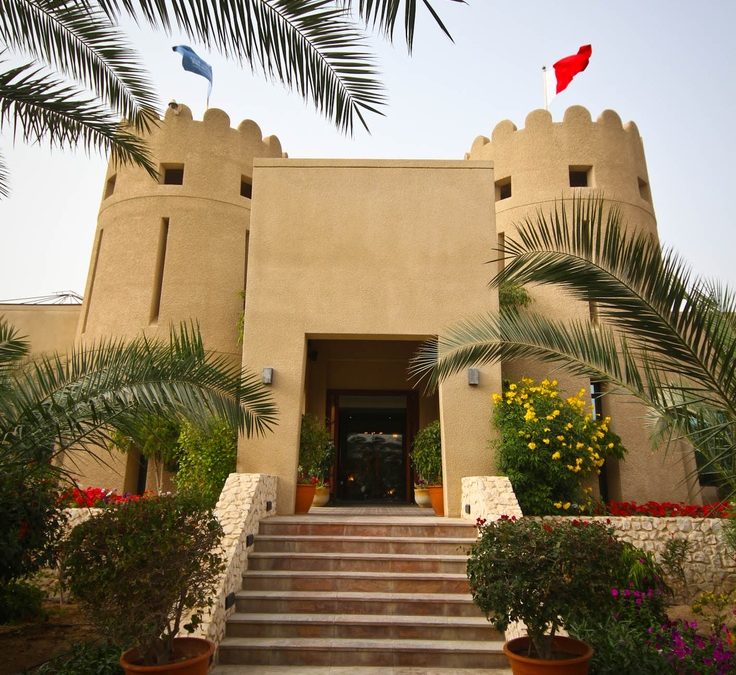
Jabel Ali Shooting Club in Dubai offers a unique recreational and competitive environment for shooters of all levels to raise their game and try something new. The indoor and outdoor ranges are built to exacting international safety standards and offer five floodlit clay shooting ranges and a 10 lane, 25 meter indoor pistol range. All are accessible for beginners, corporate groups and experienced shooters. And when you’re done taking aim, you can sit back and relax in Shooter’s restaurant serving steaks and TexMex with views over the ranges.
For all shooting disciplines, 12 and 20 gauge Beretta shotguns are suitable. The 25 meter indoor pistol range offers both 9mm & .22 disciplines. Those who are 15 years of age can use .22 discipline while those above 25 years of age can use 9mm discipline.
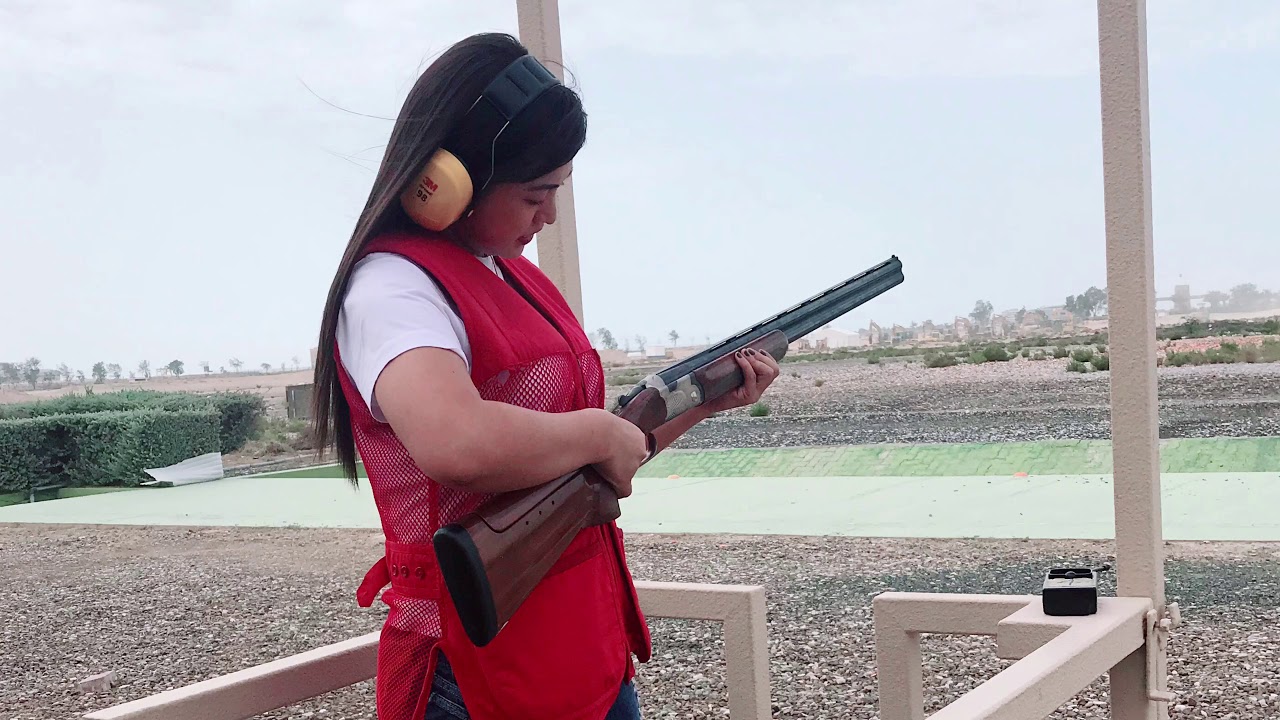
If you just want to taste the sport, the air-conditioned indoor shooting range provides an ideal environment to try it out. You can practice with qualified and experienced instructors to get an idea of what the sport is like. If shooting isn’t quite to your taste, you can dabble in archery or relax at the club’s steakhouse with a view of the shooting ranges through floor-to-ceiling glass walls.
Clay shooting ranges are suitable for beginners and experienced shooters alike. There are floodlights at the clay shooting range allowing night-time shooting as well.
The ranges are equipped to cater to ‘Olympic trap’ which forms part of the shooting programme at the Olympic Games. There is also a simpler ‘automatic ball trap’ version where only one trap machine is used.
The entry‐level discipline ‘down the line’ where a single trap is used to throw target to a distance of 45-50 metres.
The 25 meter indoor pistol range offers both 9mm & .22 disciplines for 15 years and above.
The ‘Compak sporting,’ is a smaller version of international and English sporting. ‘Olympic skeet’ shot is set at eight shooting stations on a semi‐circle and one in the middle.
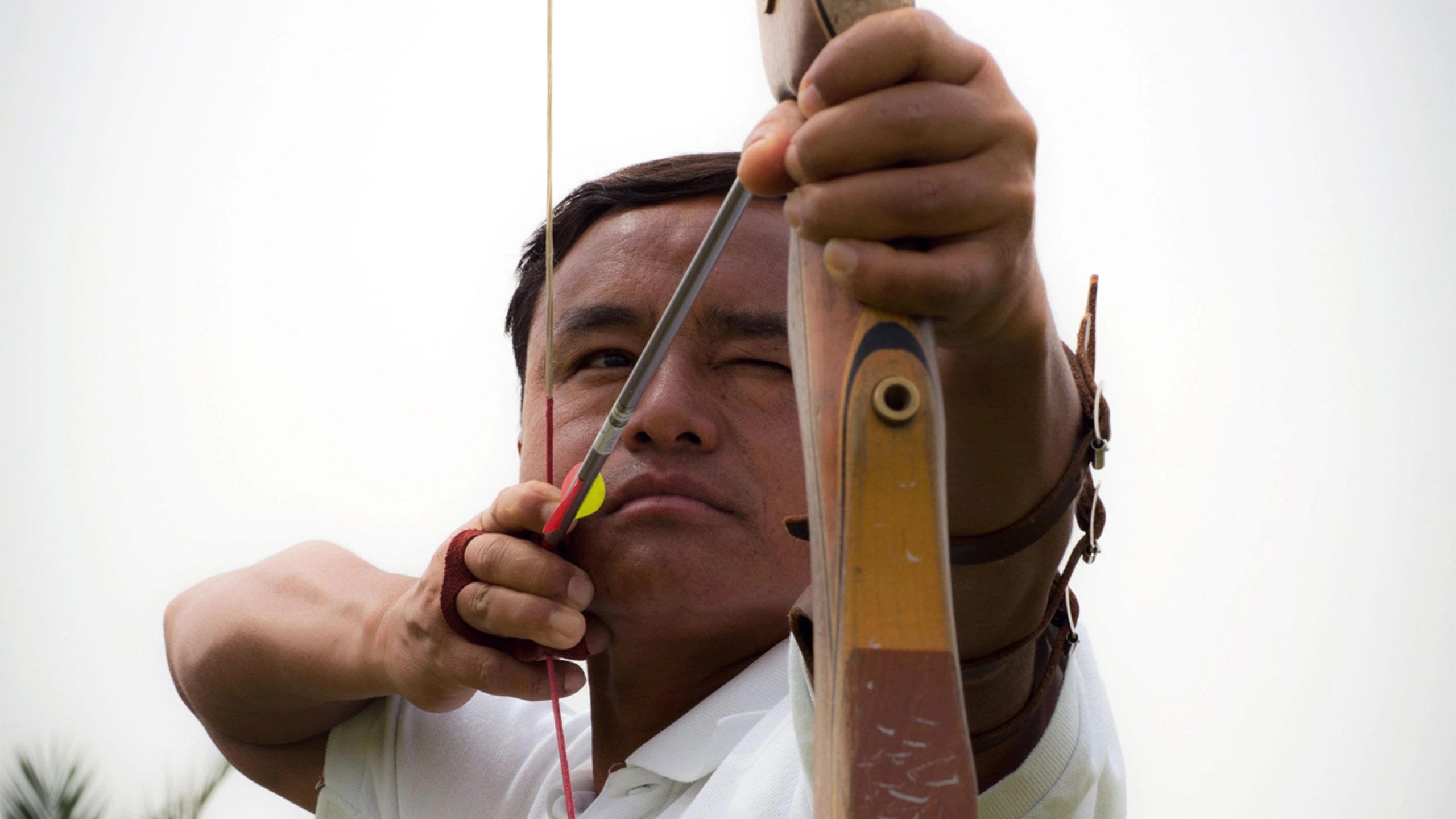
You get a technique briefing & coaching from a professional instructor. The club offers advanced equipment to ensure ultimate experience. You get an opportunity to use bow & arrows at the outdoor range.
For non-members a 0.22 calibre shots will cost AED 190 for standard grade, AED 220 for silver, AED 250 for gold and AED 290 for a platinum grade. A 9mm calibre shots will cost AED 230 for standard grade, AED 260 for silver, AED 300 for gold and AED 350 for a platinum grade. Additional shots with 0.22 calibre, would cost AED 150 and AED 250 (depending on grade type). Additional shots with 9mm calibre gun start at AED 180.
Clay shooting for non-members will cost around AED 230 per round and AED 180 for additional rounds. Fee for archery for non-members is AED 110 per session.
A Shuttle bus from JA Shooting Club runs from 4:15 pm every hour and from 7:15 pm every 30 minutes with last run at 12 am.
Dubai Police, requires you yo present any one of the following ID options to the reception and complete the guest profile record before proceeding for shooting: passport (original or copy); UAE National ID; UAE driving license.
Nad Al Sheba Shooting Club is another shooting range in Dubai that offers extensive training for beginners.
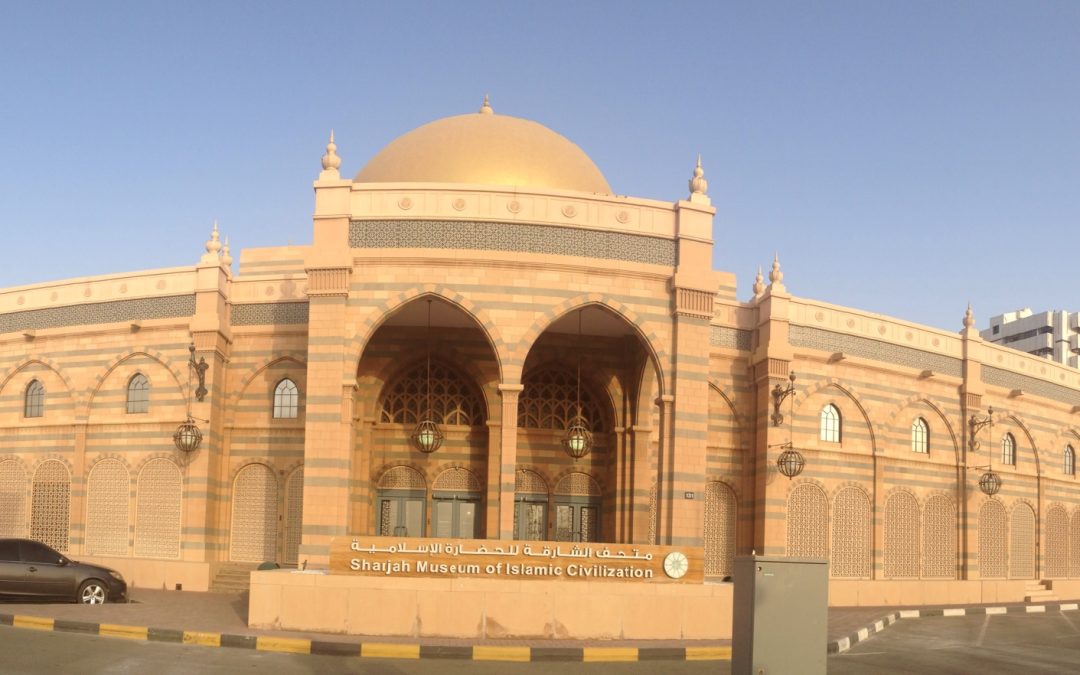
Sharjah’s Museum of Islamic Civilization is the only museum in the country to focus on the breadth of Islamic history. It is located in the city on the Majarrah Waterfront, right on the shore of the Sharjah Creek. It was opened in 2008 in the building of the former Souq al-Majarrah which has been transformed into a state-of-the art museum.
The collection of more than 5,000 artifacts inside traces Islam’s course from the very early years to the spread of the Islamic empires through Asia and Africa, and explores the vast diversity of culture and art throughout the Islamic world. The artifacts include calligraphy, carvings, ceramic art,ceramics, coins, glass, manuscripts, metalwork, and scientific instruments.
The museum also contains art objects displaying separate facets of the Islamic faith and specific eras in Islam’s history. Some displays feature rare manuscripts and religious documents, and tourists will find them easy to understand thanks to excellent information boards throughout. The museum is divided into seven thematic galleries,six of them are permanent exhibitions.
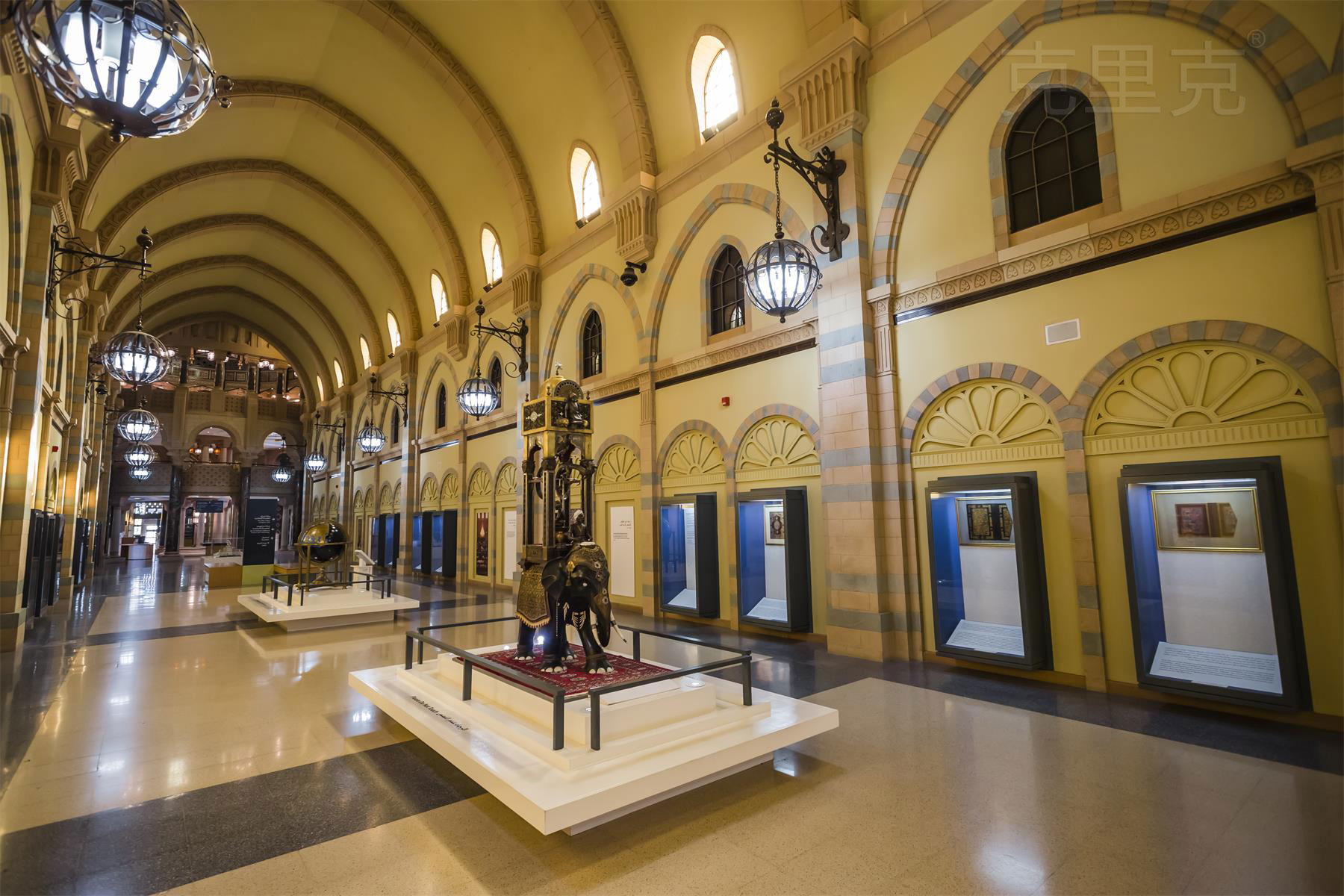
Sharjah Museum of Islamic Civilization – Abu Bakr Gallery of Islamic Faith,
Abu Bakr Gallery of Islamic Faith, displays a copy of the Koran of the third Caliph, Uthman ibn Affan, who ruled from 644-656 AD. Also on display is a a Kiswa, the covering used for the Kaaba in Mecca. It also houses rare historical Quran manuscripts as well as models, photographs, presentations and important facts about mosque architecture from around the world.
The Ibn Al-Haytham Gallery of Science and Technology depicts Islamic scientific advancements, including inventions and theories developed by Islamic scholars in such fields as astronomy, medicine, geography, architecture, mathematics, chemistry, military technology, marine navigation and engineering.
Islamic Art Gallery 1 shows a wide range of artifacts such as pottery, metalwork, woodcarving, manuscripts and textiles, made in the Islamic world between the 7th century AD and the 13th century AD. Islamic Art Gallery 2 displays important Islamic artworks dating from the 13th century AD to the 19th century AD.
Islamic Art Galleries 3-4 are devoted to Islamic arts, crafts and weapons used between the 19th century AD and 20th century AD.
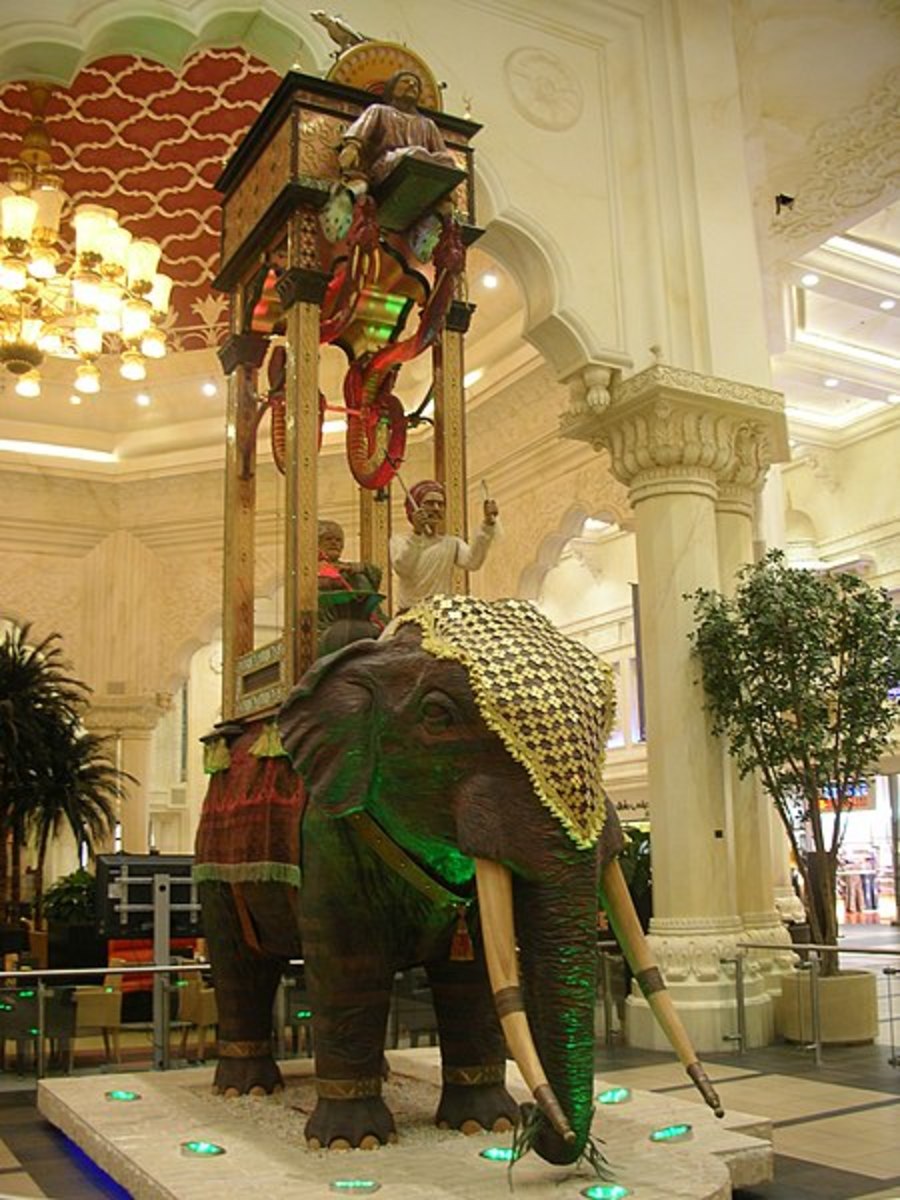
A seventh gallery, The Al Majarrah Temporary Exhibition Gallery, houses temporary exhibitions, with a regular roster of displays co-curated with other museums, ranging from Ottoman Masterpieces from the Museum of Applied Arts in Budapest to Persian calligraphy from the Islamic Arts Museum of Malaysia. It also showcases early Islamic coin collections in the atrium outside the Al Majarrah Gallery.
The museum features prayer rooms, a cafeteria, a souvenir shop, spacious parking, rest rooms and has wheel chair access for the disabled.
