Featured Image : Dubai Dubai is the capital of the Emirate of Dubai. In the 18th century, it was a...
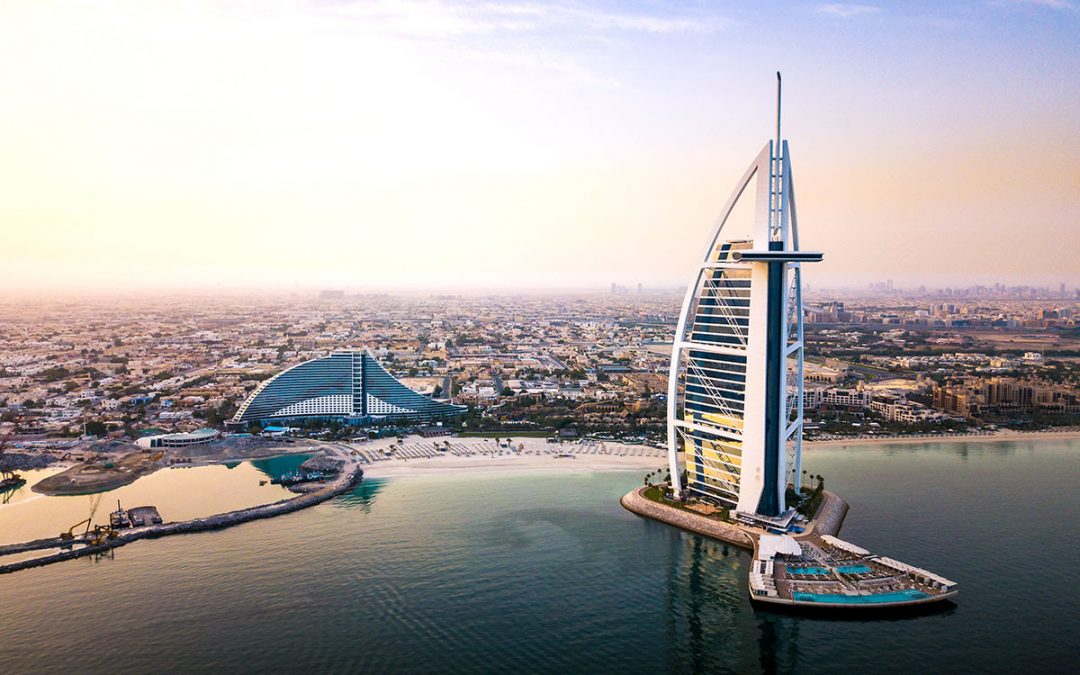

Featured Image : Dubai Dubai is the capital of the Emirate of Dubai. In the 18th century, it was a...
Features information that is relevant to travellers who are thinking about and actively planning a visit Dubai or any part of the Arab World.
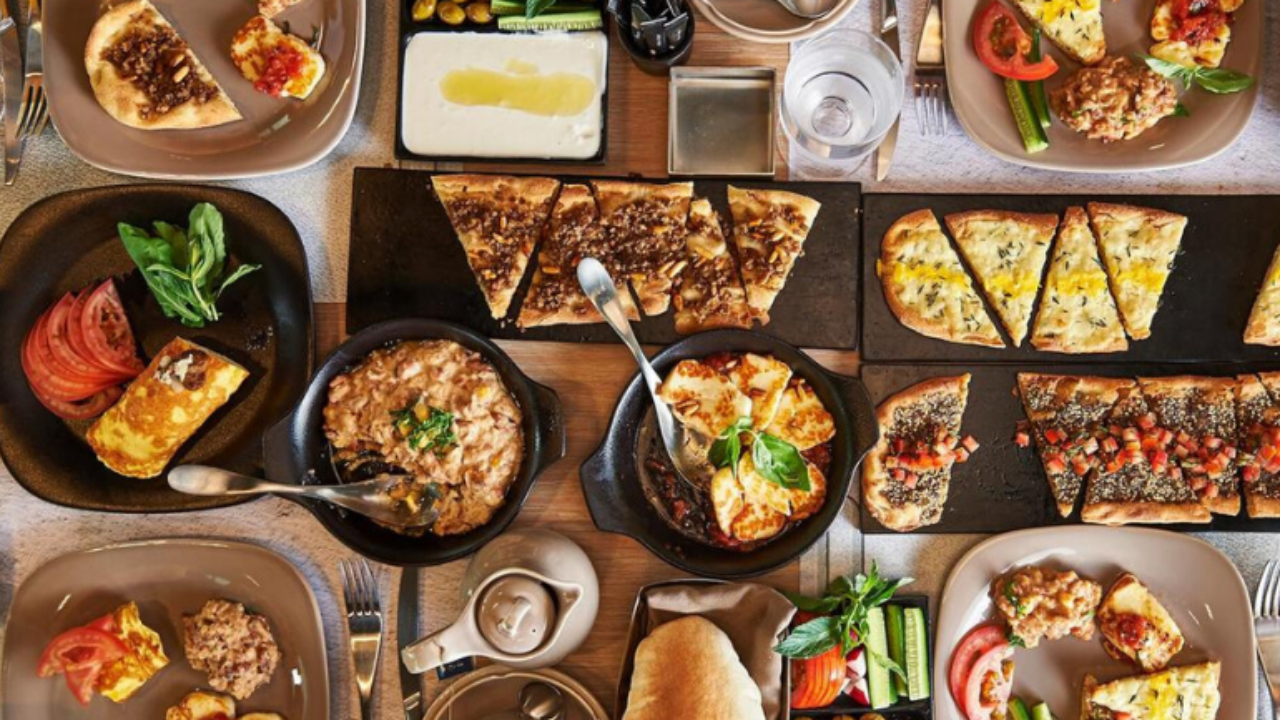
Traditional Dubai cuisine along with dishes originating from Iran, Lebanon, and Arabia are found in Dubai. Western food as well as popular fast food are found here. From vegetarians to non-vegetarians, Dubai offers food to suit every person’s taste.
Here are some of the popular dishes in Dubai.
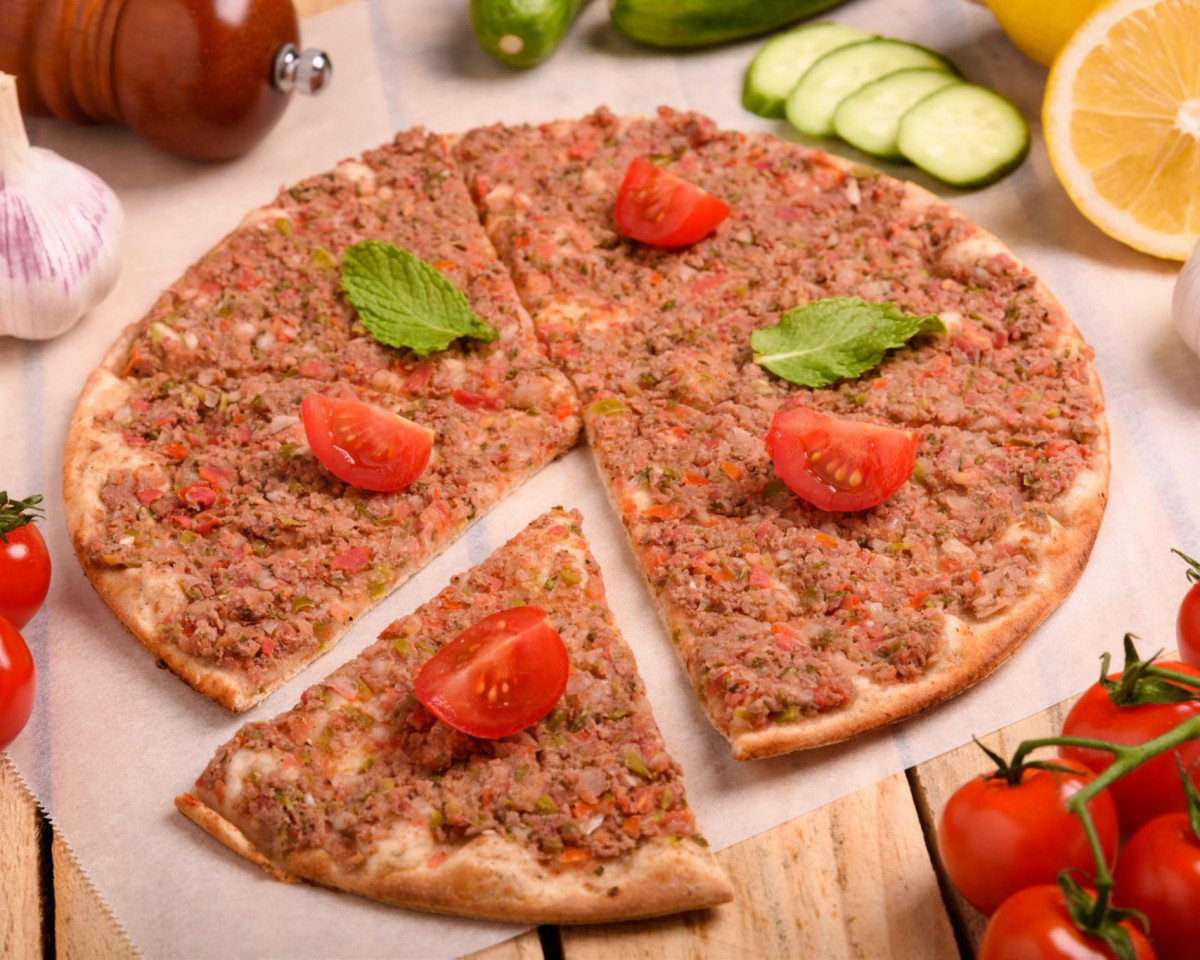
Manousheh is a kind of local pizza, a staple Lebanese breakfast. It is made by filling stretched dough or flatbread with toppings like salty Akkawi cheese, zaatar herbs, acrid labneh and sweet stick, eggs, minced sheep and olive oil. It is popular with both tourists and locals.
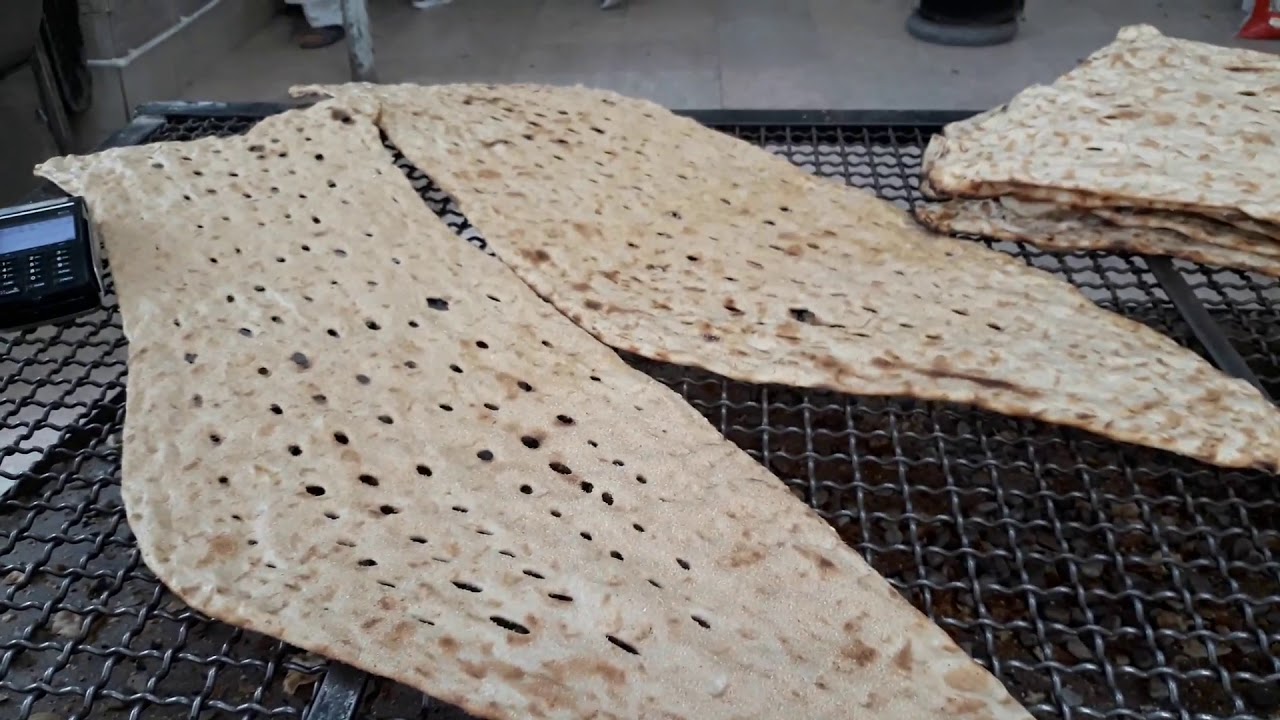
Typical Barbari or Persian bread, Iranian Sangak is very popular in Dubai. Nan-e sangak is a whole wheat leavened flatbread, either triangular or rectangular, which is topped with poppy and sesame seeds. The name sangak refers to the old method of baking the bread in a dome-shaped oven with a surface full of pebbles and stones. In Iran, the bread is often consumed with lamb kebabs, and it is a typical accompaniment to kale pache, a dish made with sheep’s head and feet.
It is usually eaten with some strained yogurt or Greek yogurt and some cheese or labneh. Simply delicious.
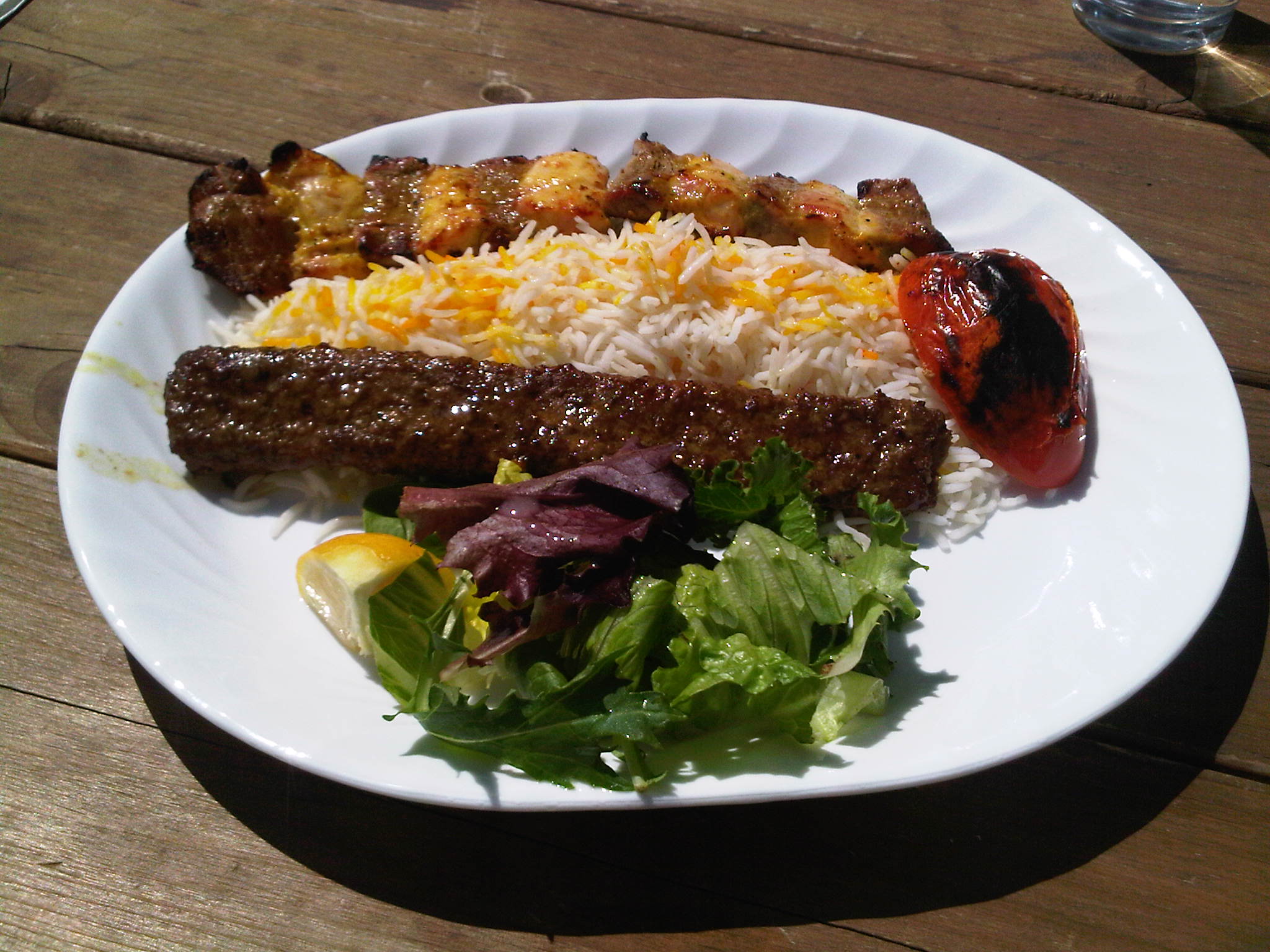
Chelow kabab is of Iranian origin, consisting of steamed rice and one of the many varieties of Iranian kebabs. Chelow kebab is served with accompaniments such as butter, sumac powder, basil, onions, and grilled tomatoes.
Kebabs are made of cut up or ground meat sometimes with vegetables, and various other accompaniments. Kebabs are typically cooked on a skewer over a fire, some kebab dishes are baked in a pan in an oven or prepared as a stew such as tas kebab. The traditional meat for kebabs is most often mutton or lamb, but regional recipes may include other meats.
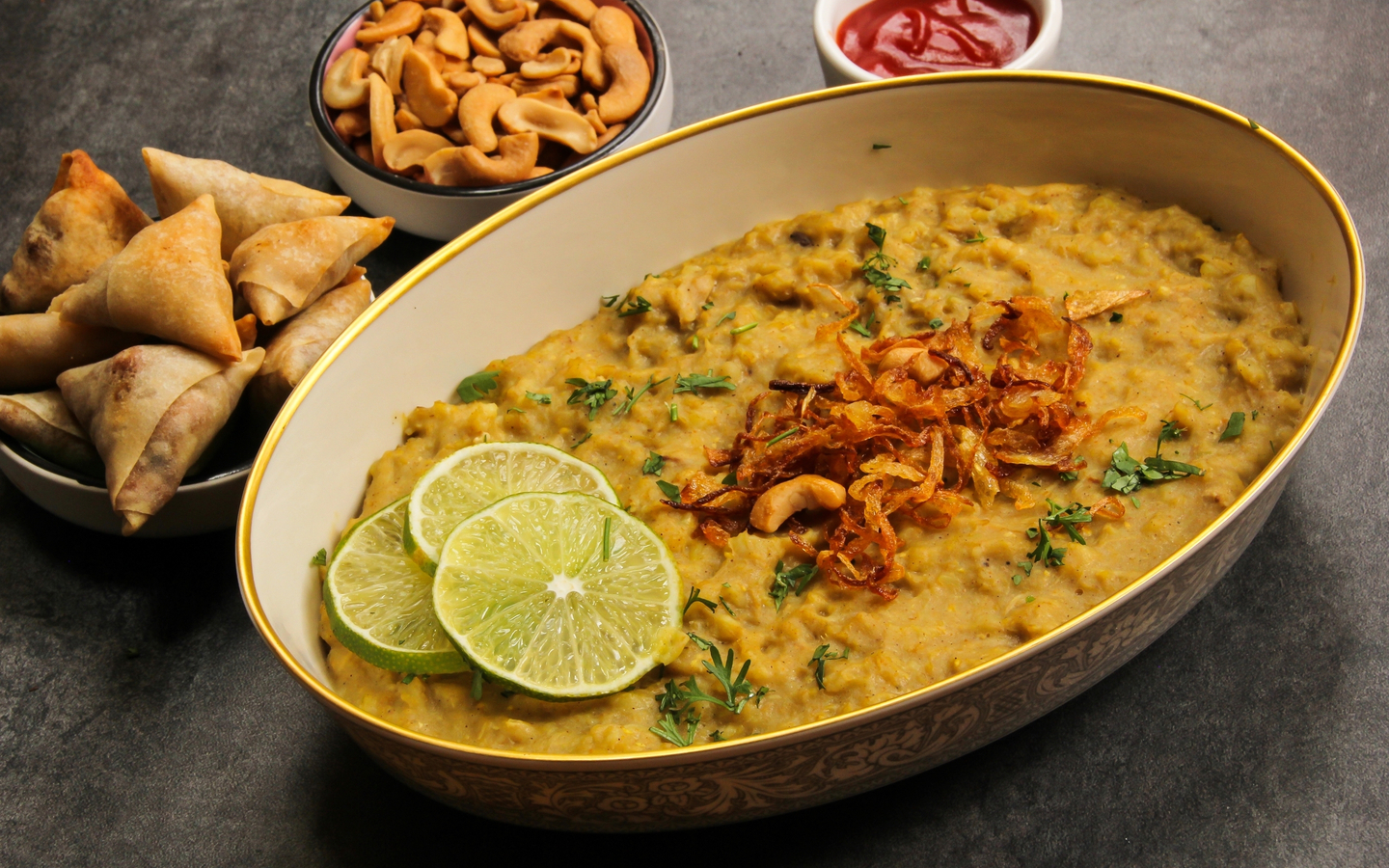
Al Harees is one of the most traditional foods in Dubai. This popular local dish is a combination of wheat, meat and just a pinch of salt, prepared to a porridge-like consistency. It is generally served Ramadan, Eid, wedding and special occasions.
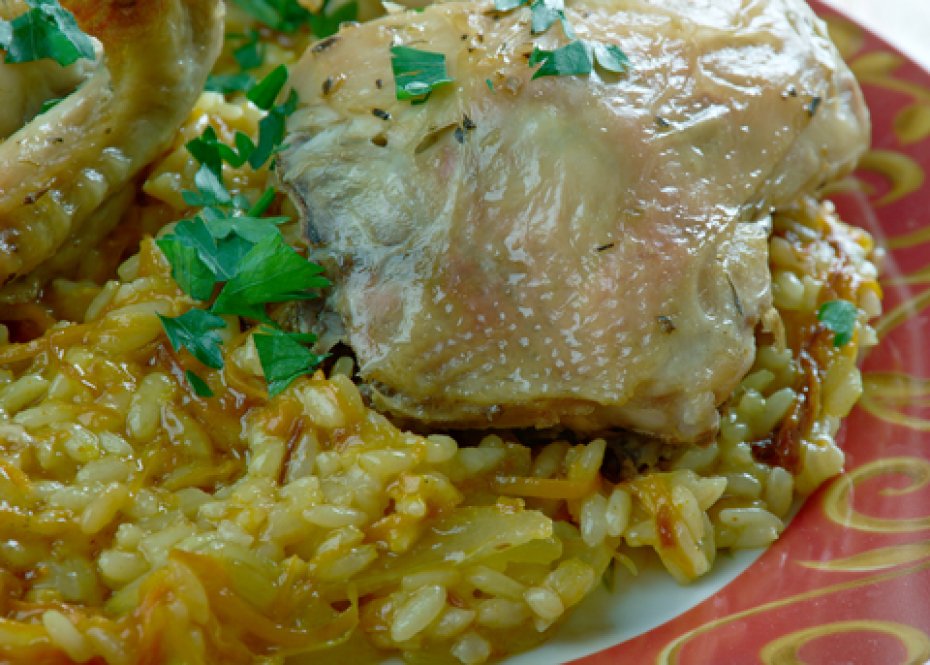
Al Machboos consists of some chicken, basmati rice, spices, and some sauce.It is a cross between biryani and risotto, where the rice is cooked in the spiced broth of the meat or chicken, melding the spices and ingredients.
This dish is popular not only in Dubai but also in the Middle East and in some African countries.
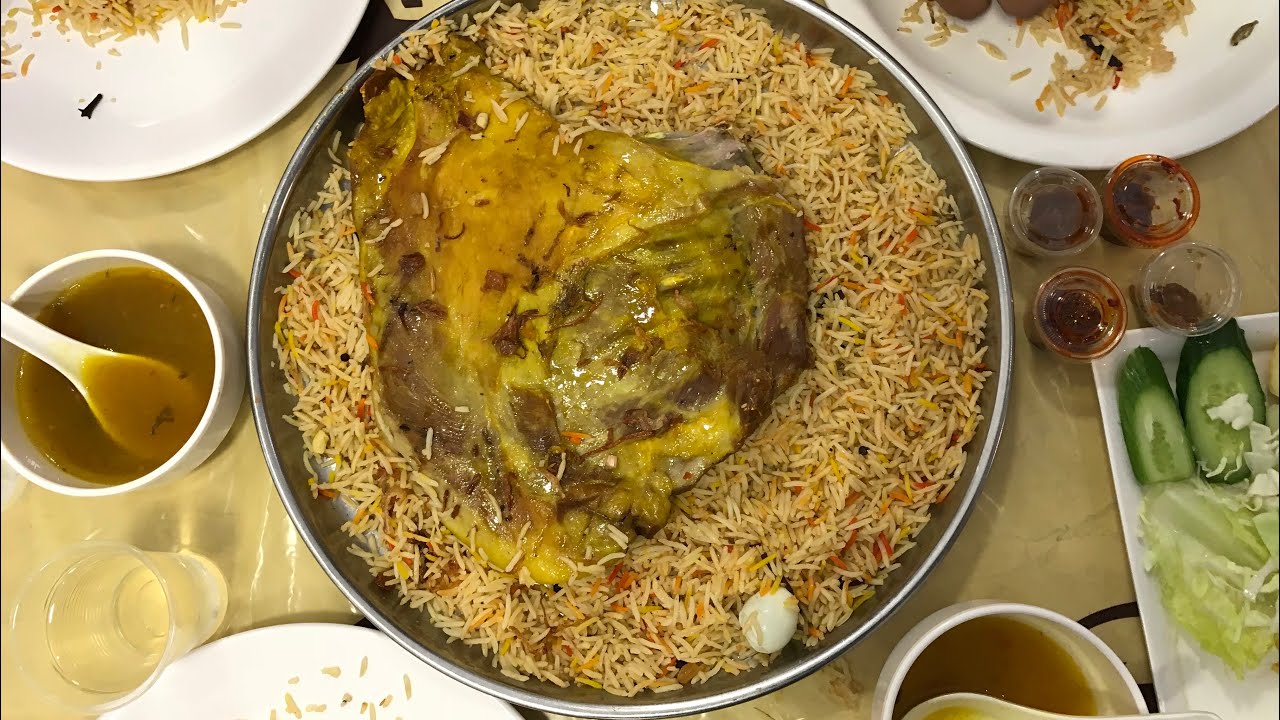
Mandi is quite similar to other rice-based Asian dishes such as Biryani and Pilaf. It is basically a layered dish of meat and rice. The meat is cooked in the tandoor covered with clay and buried inside the ground. It tastes like biryani. It is one of the main dishes prepared during festivals like Ramadan and Eid.
Kabsa is considered the national dish of the Emirates. It is a fragrant mixture of basmati rice, lamb or chicken, mixed vegetables, cardamom, cinnamon, saffron, nutmeg and bay leaves cooked in one pot and often served in a huge mound at the centre of the table.
Kabsa has has the same rice-meat combination as Mandi but is differently flavoured due to different spices.
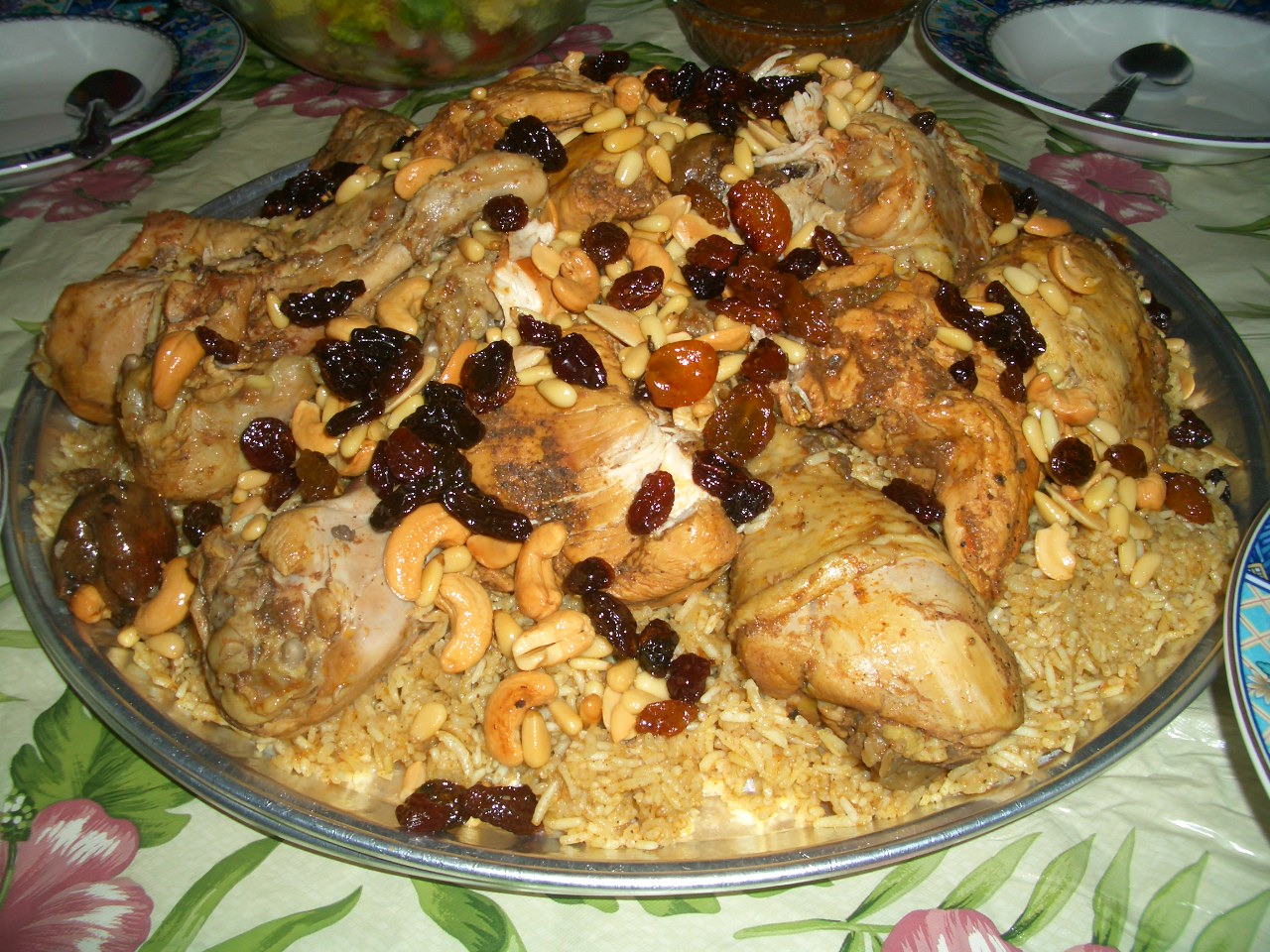
Oozie is one of the best-known dishes from the Gulf region. It is made with rice and sometimes stuffed into delicate pastry pockets. It is usually served with chicken. Sometimes, it’s also served with salad and yoghurt, or garnished with a mixture of fried or roasted nuts. You will usually see this in weddings and Ramadan.
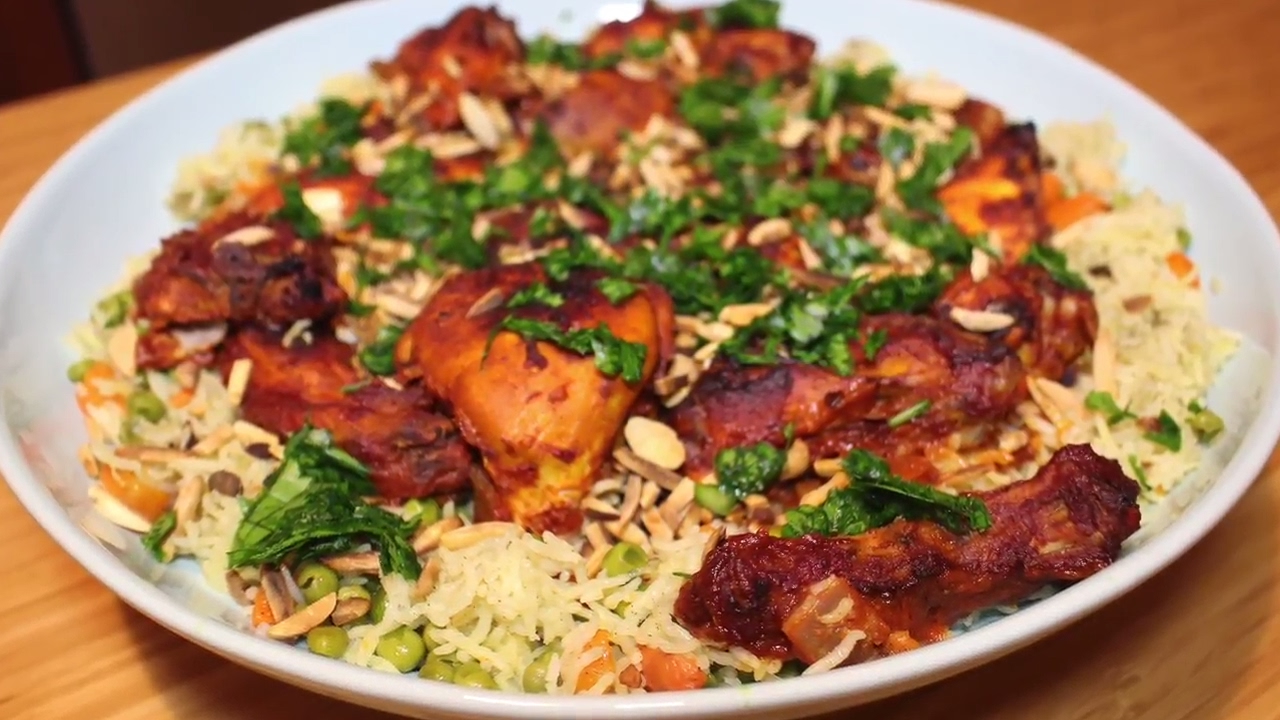
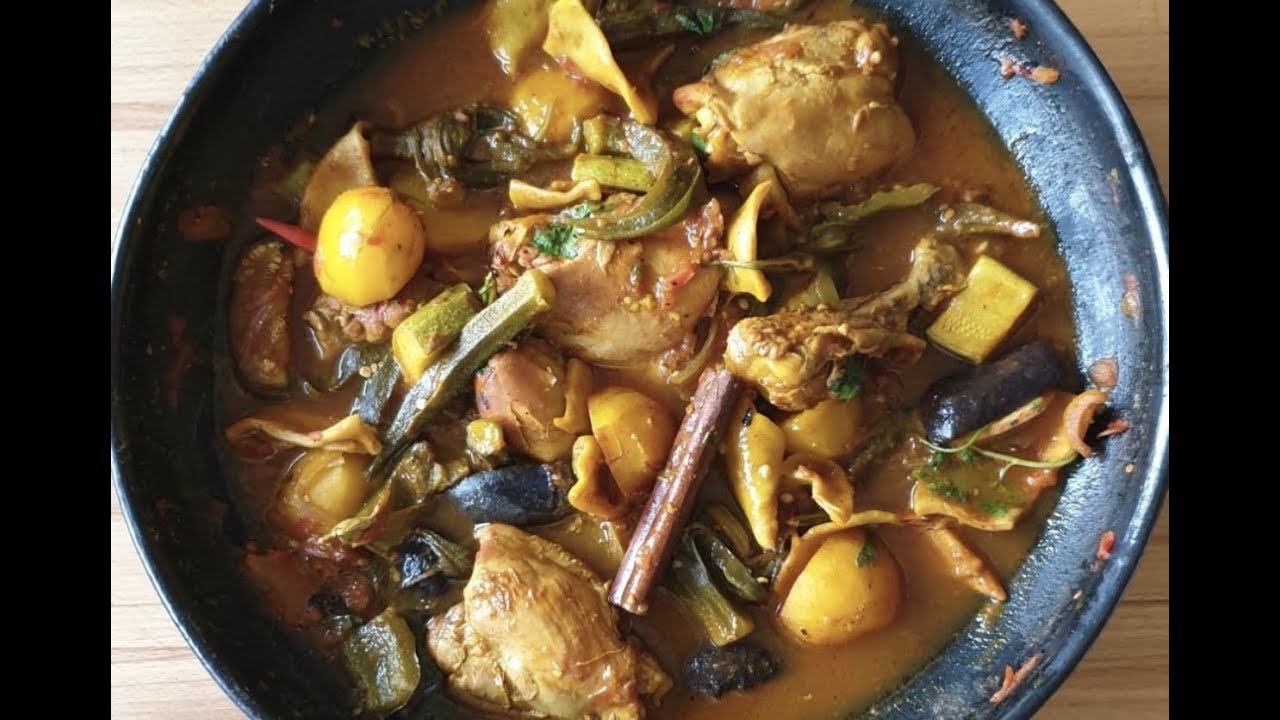
This chicken or lamb stew is tomato based and is cooked with turmeric, cumin and bezar (a local garam masala-like spice mixture).
Baby marrow and potato are also added to this stew. Different variations can be found across the city. This dish is often prepared and enjoyed at Iftar, the evening meal that breaks the daily fast during Ramadan.
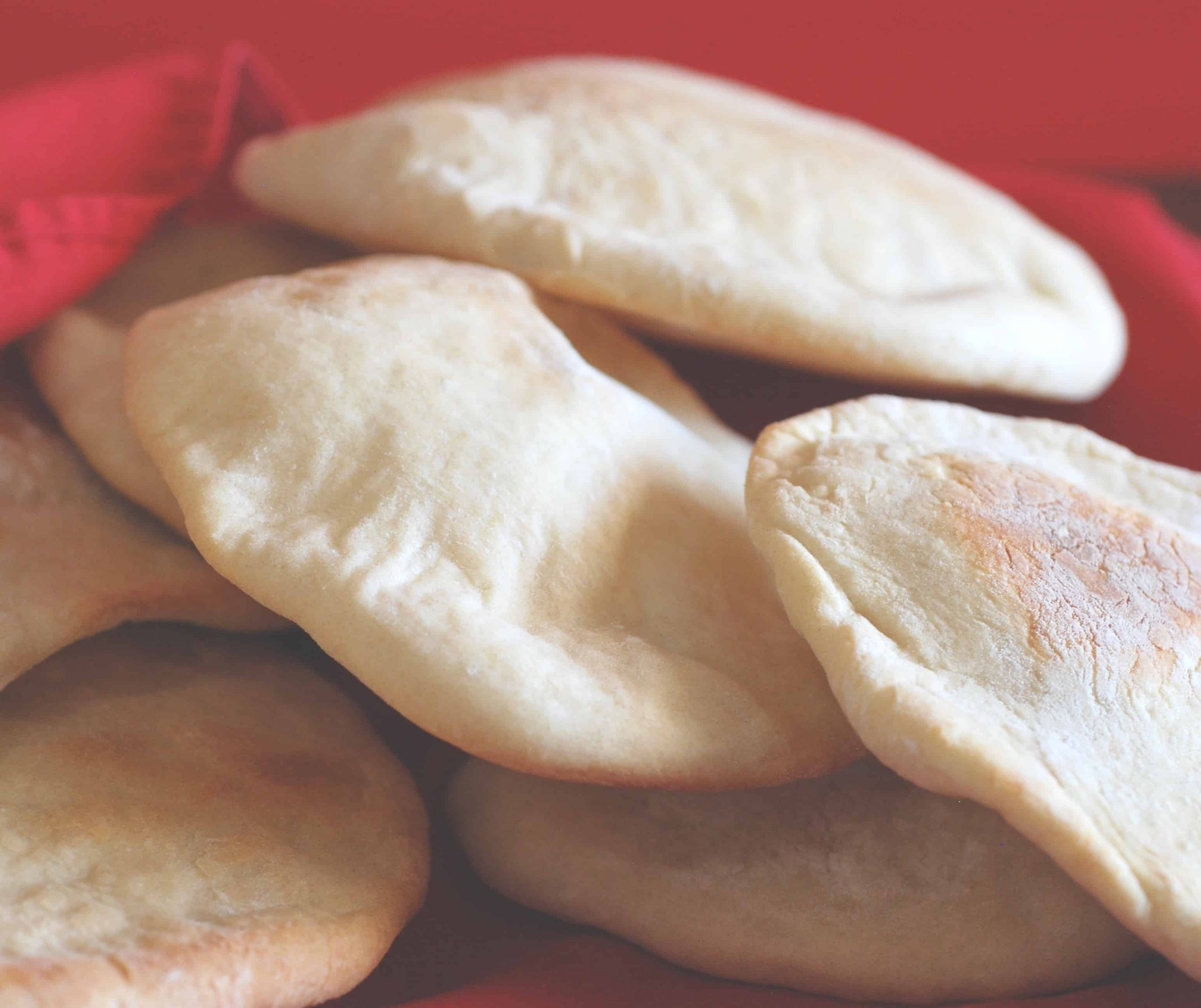
Khubz means bread in Standard Arabic. Khubz tannur is made in a tandoor oven. It is either leavened or unleavened flatbread made with all-purpose flour. This bread has pocket like pita. You can fill the pocket with whatever you wish or even make a sandwich. Khubz can be enjoyed as a delicious wrapper or dipper for other foods.
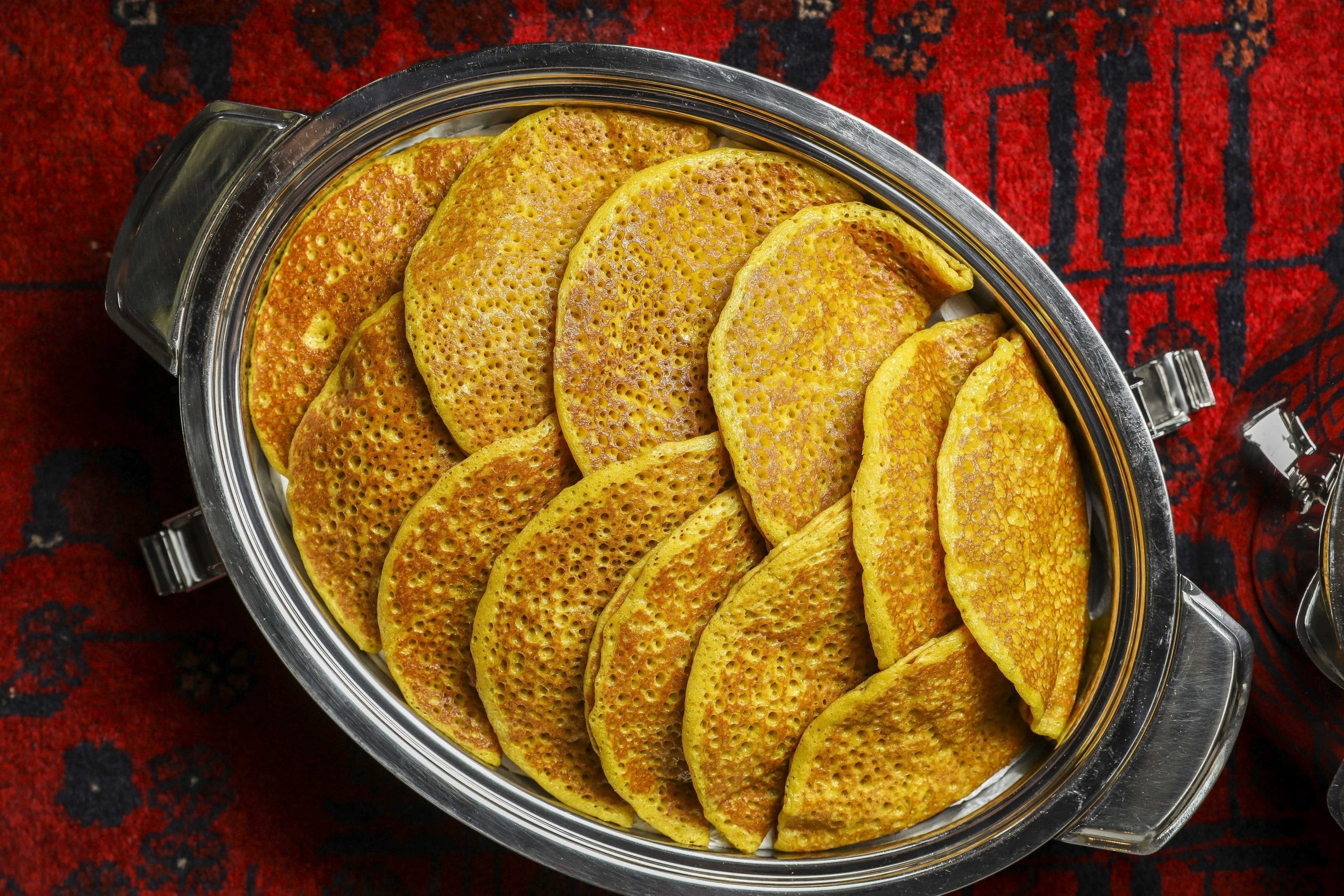
These delicious Emirati-style pancakes are normally served at breakfast time. Saffron and cardamom are two key ingredients of this pancake. The pancake is topped with sour cheese, cream cheese, butter and sweet date syrup. The sweet and sour elements of the ingredients combine well and give it a unique flavour. This bread is also called jabab.
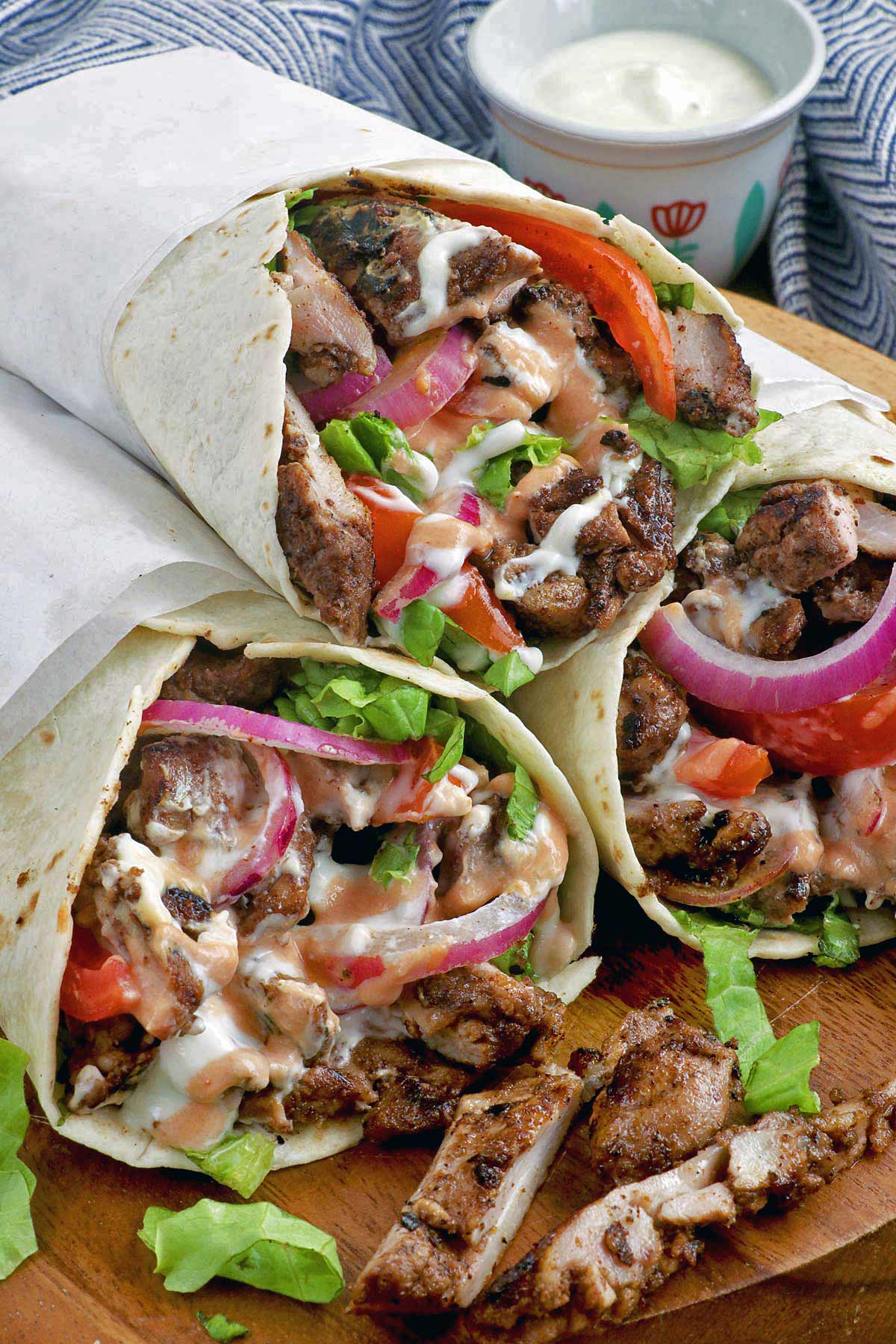
Shawarma is made from slow-roasted and spiced chicken or lamb and served in the form of a Middle Eastern sandwich. Shawarma is served in an Arabic roti, along with vegetables, fries, tomatoes, pickles, and garlic sauce.
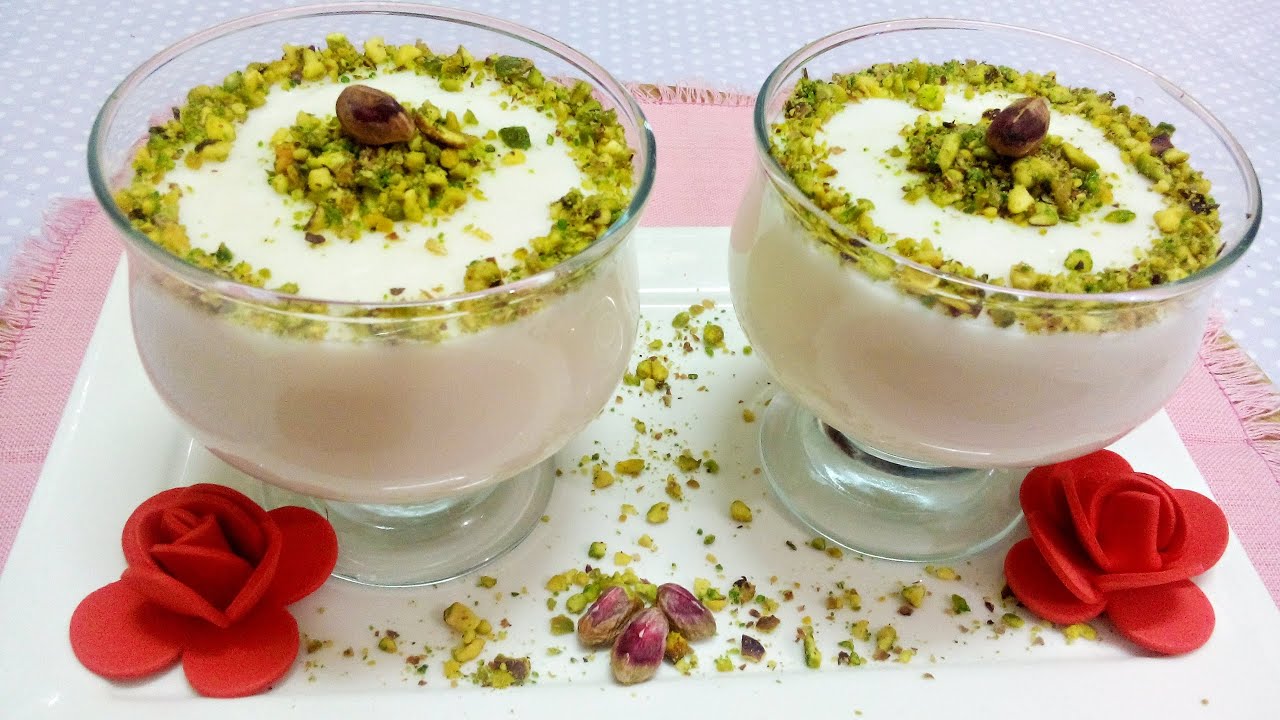
Esh Hasarya or Asaraya is a rich and sweet cake served as dessert. It is in a class by itself and is described as “the bread of the harem”. Its texture resembles cheesecake, and it has a cream frosting. it’s one of the most popular desserts in all of Dubai.
Esh asaraya is made with sweet pieces of bread that is then topped with cream, and pistachio nuts which adds a nice crunch to the cake.
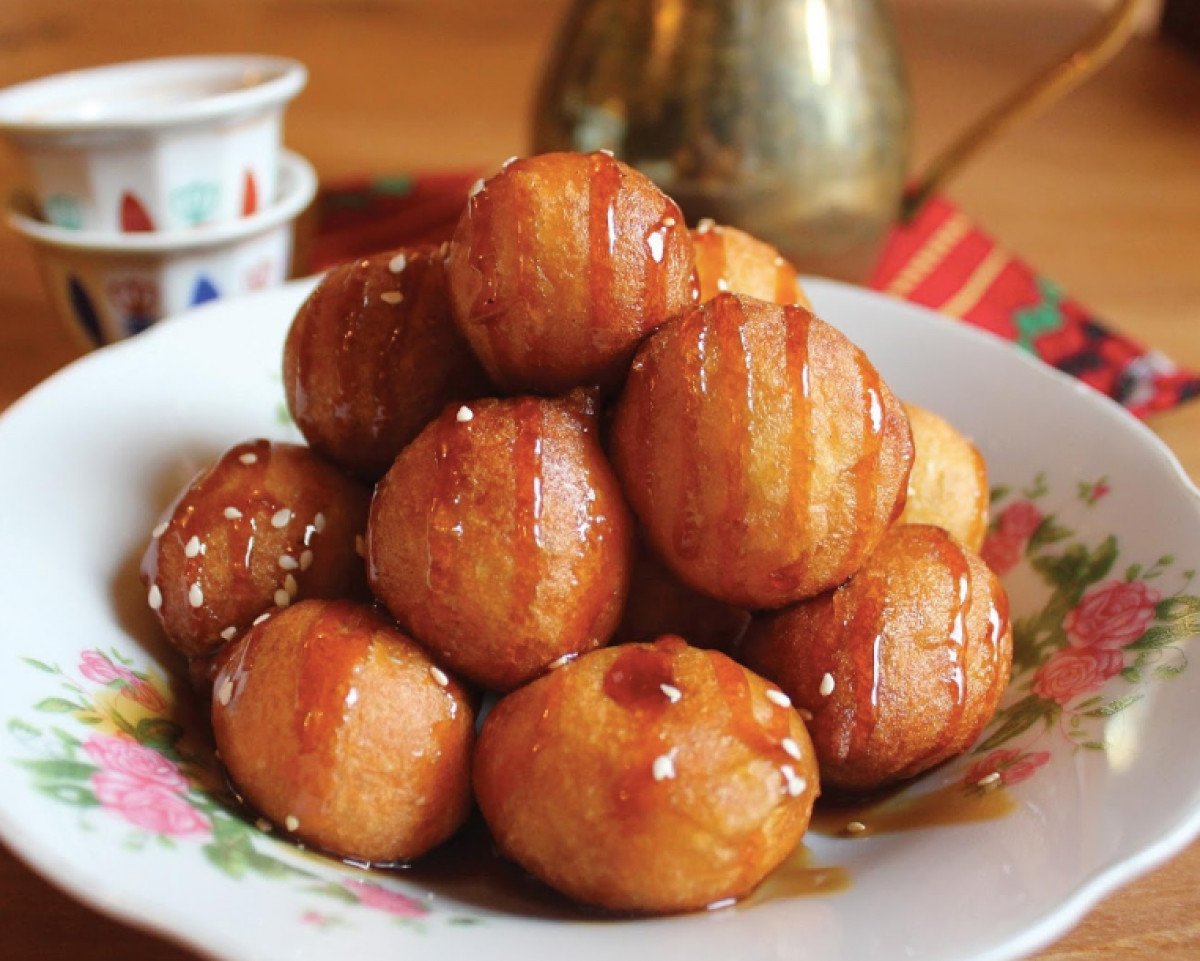
Luqaimat is the most famous dessert in the UAE. It is served at weddings and tea parties, and it is eaten for breakfast along with tea. It is also one of the special dishes offered to guests (Fuwala). It is a a popular Emirati dessert, especially during Ramadan. These doughnut balls are drizzled with honey and topped with sesame seeds.
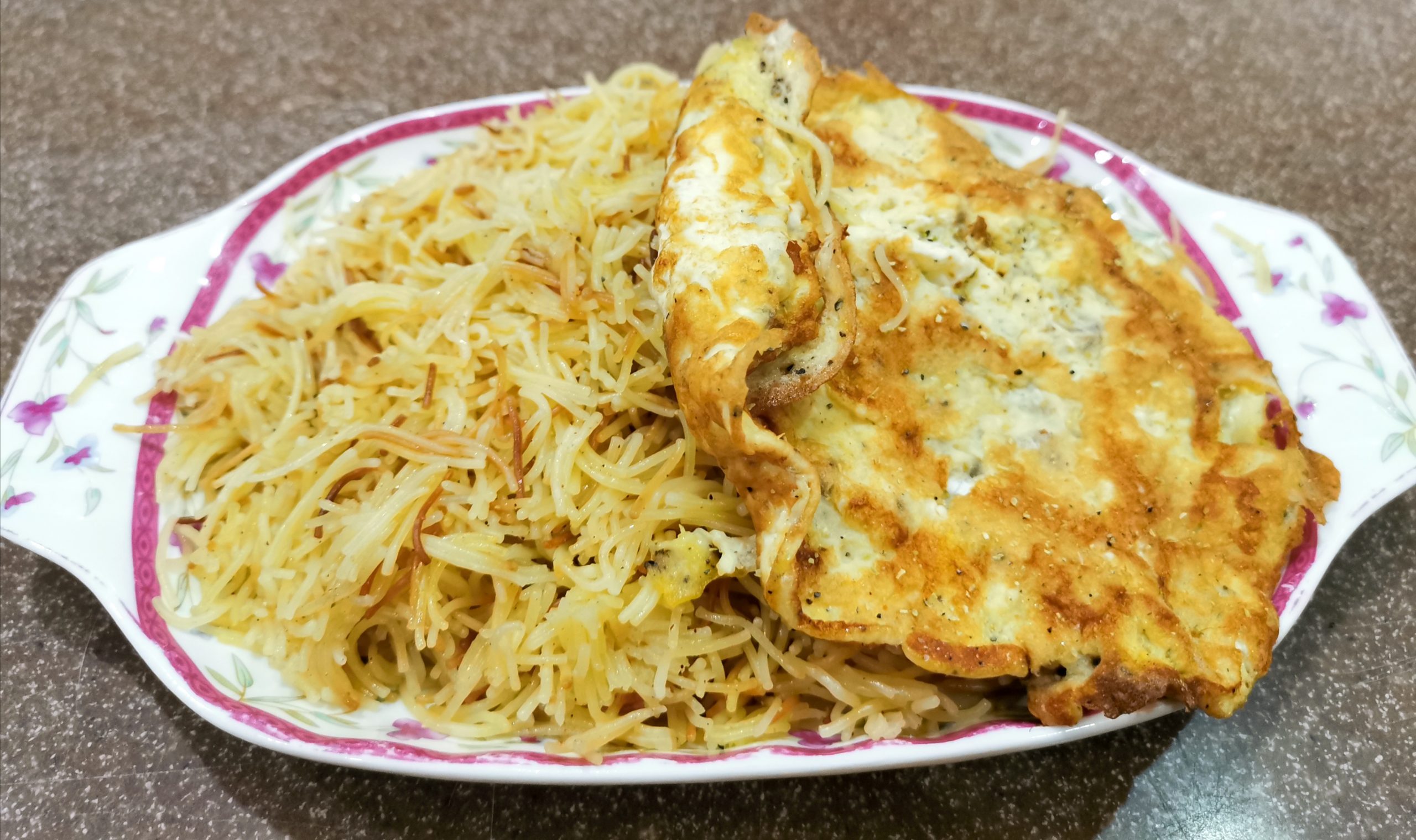
Balaleet is a traditional dish consisting of vermicelli sweetened with sugar, cardamom, rose water, and saffron, served with an omelet on top. It is sometimes served with sautéed onions or potatoes. It is usually a breakfast dish, but it is also served as a dessert during Ramadan, or as a light dinner.
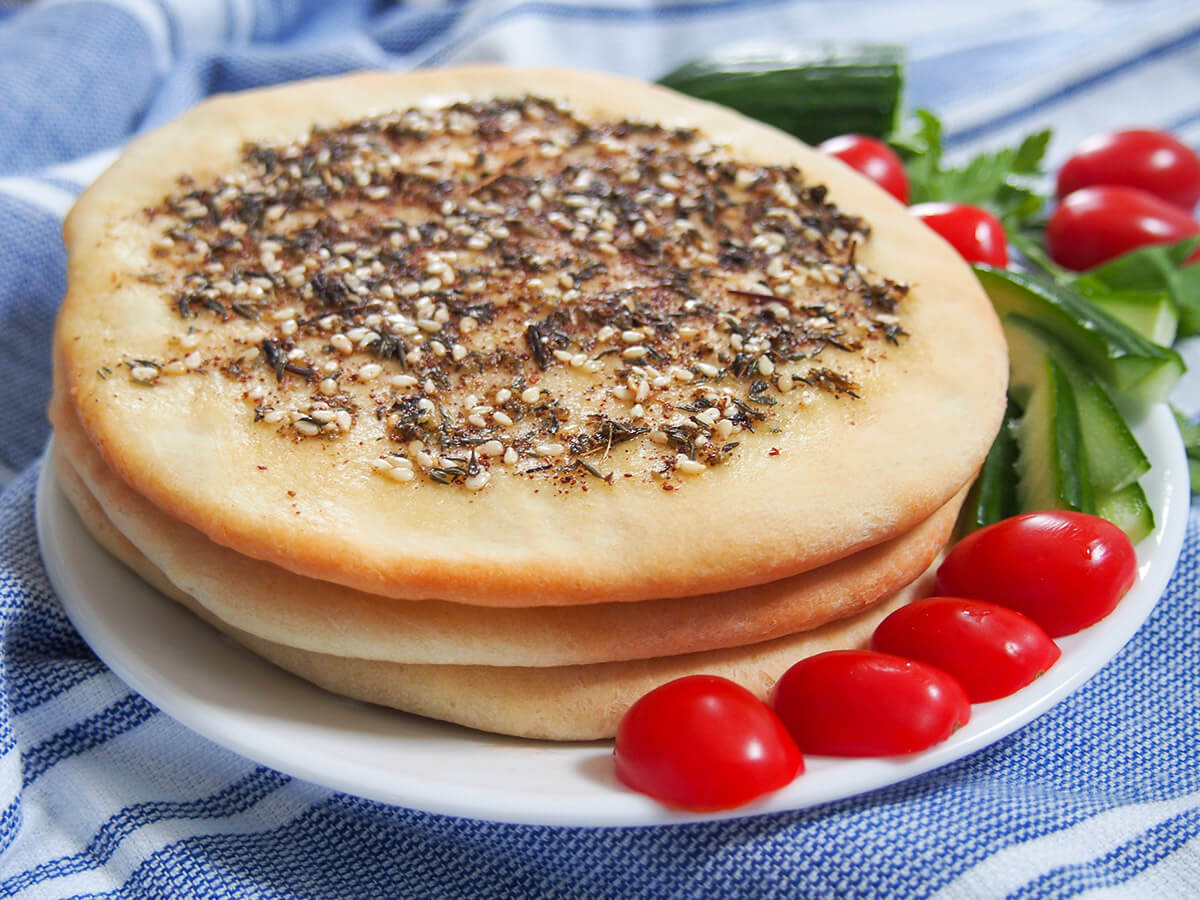
It’s a flat bread filled with cheese and baked in an oven on a pizza stone. It can also be served with cheese on top and thyme, or thyme and olive oil, meat and hot sauce. It’s a delightful breakfast dish and goes well with cardamom infused tea(karak).
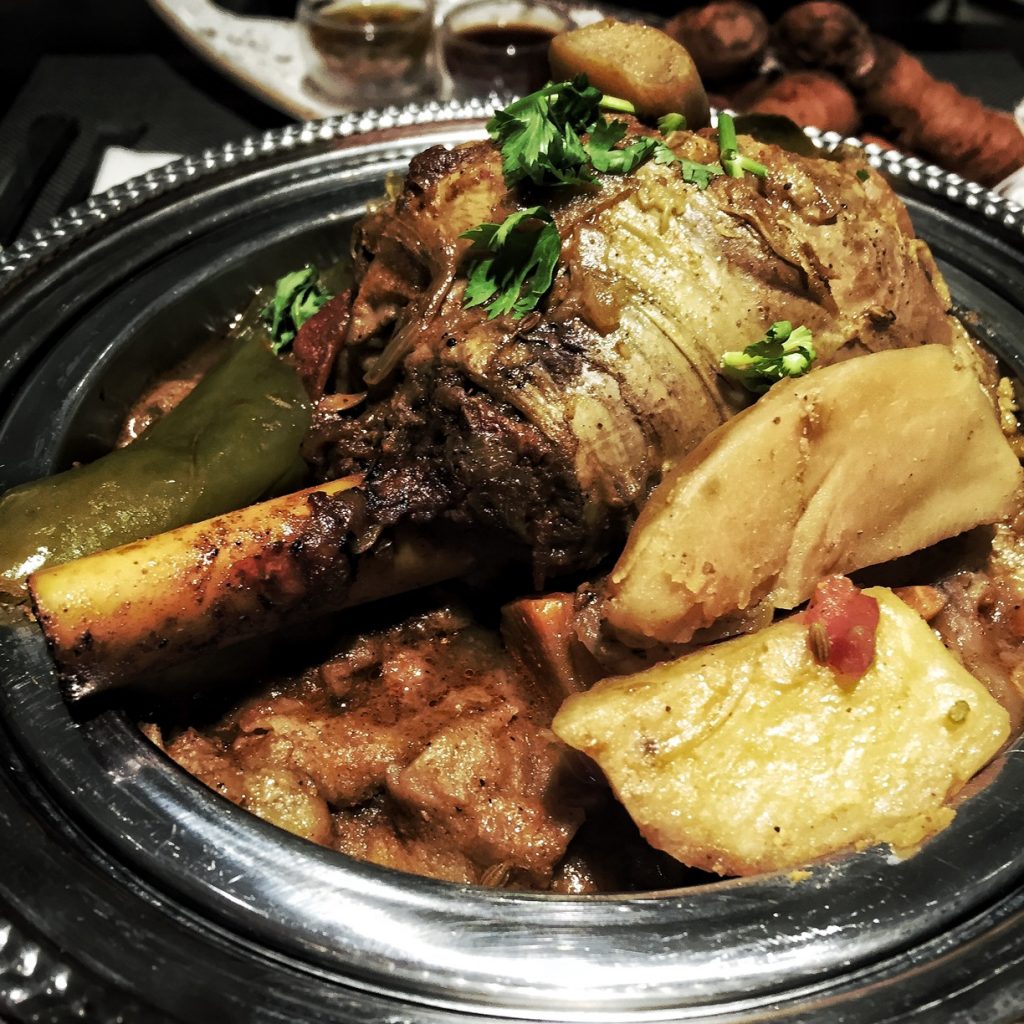
Thereed / Tharid is a very slowly cooked stew consisting of chicken, beef, lamb, or goat, and roasted vegetables and potatoes. Some kinds of beans are also added to the stew to enhance the taste like chickpea, small peas, green peas, kidney beans etc.
It is served on top of an Emirati salted bread called Rigag.
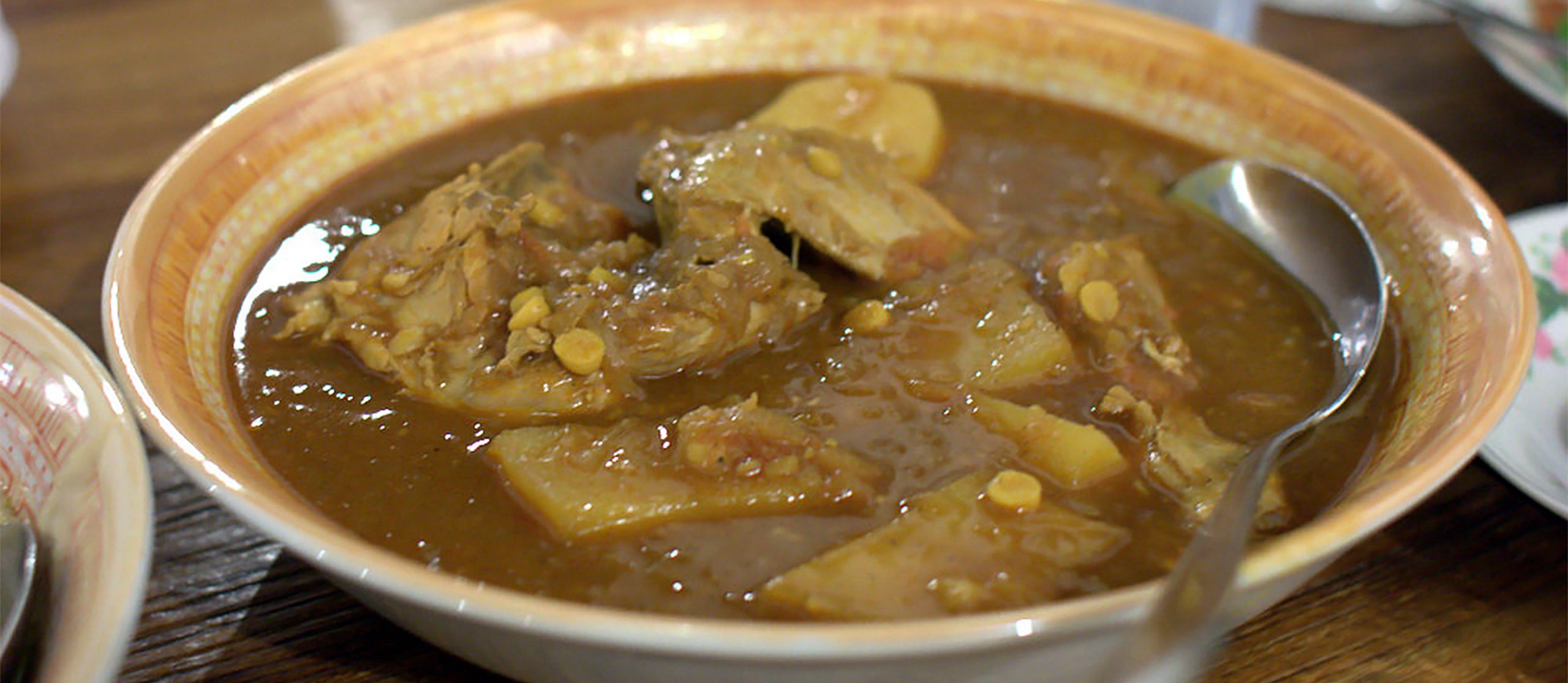
Saloona is a classic Arabian stew prepared with chicken, turmeric, olive oil, ginger, garlic, onion, chili, and many other spices. It is served with rice on the side. Other types of meat such as beef or lamb, and fish can also be used as the main ingredient. It is a Friday lunch favourite.
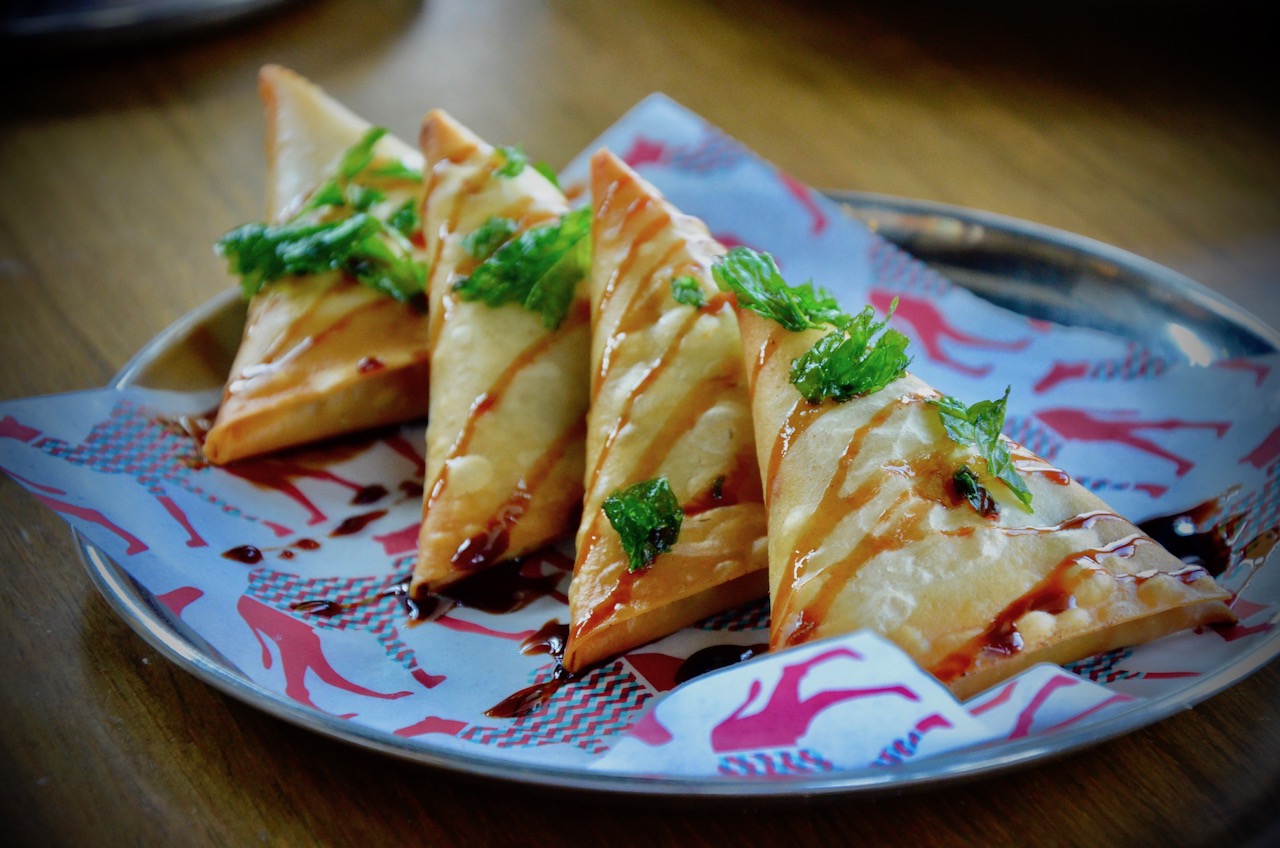
This is a famous Indian snack. It consists of layers of thin pastry filled with different type of meat, vegetables, and exotic spices. A very popular street food. Sambusa is filled with a meat and onion mixture while the Indian version samosa is usually vegetarian consisting of potatoes and peas.
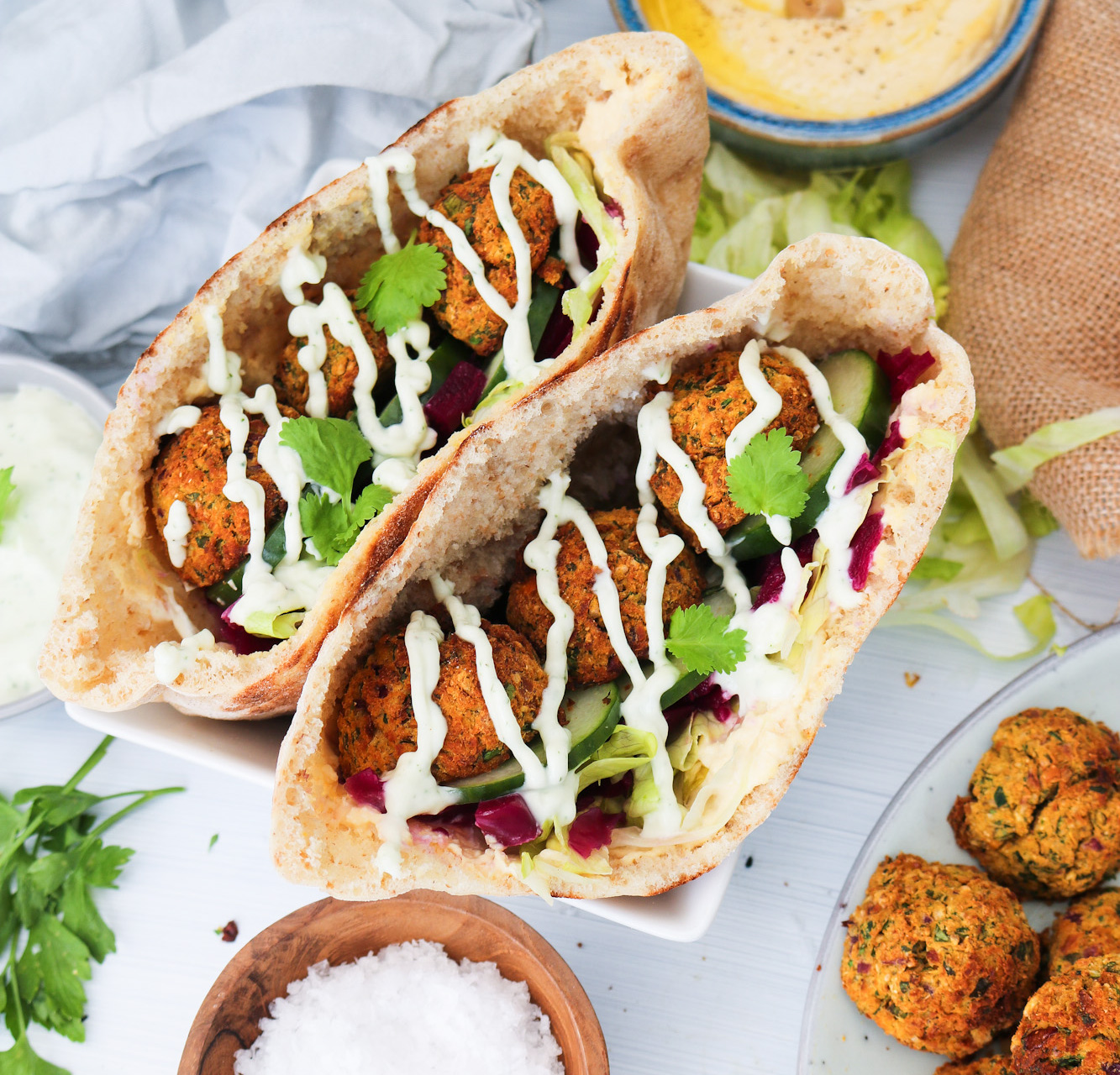
Falafel is a popular Middle Eastern “fast food” made of a mixture of chickpeas (or fava beans), fresh herbs, and spices that are formed into small patties or balls. It is commonly served in a pita, which acts as a pocket, or wrapped in a flatbread known as taboon. The falafel balls are usually topped with salads, pickled vegetables, hot sauce, and drizzled with tahini-based sauces. Falafel balls may also be eaten alone as a snack or served in a tray as part of an assortment of appetizers.
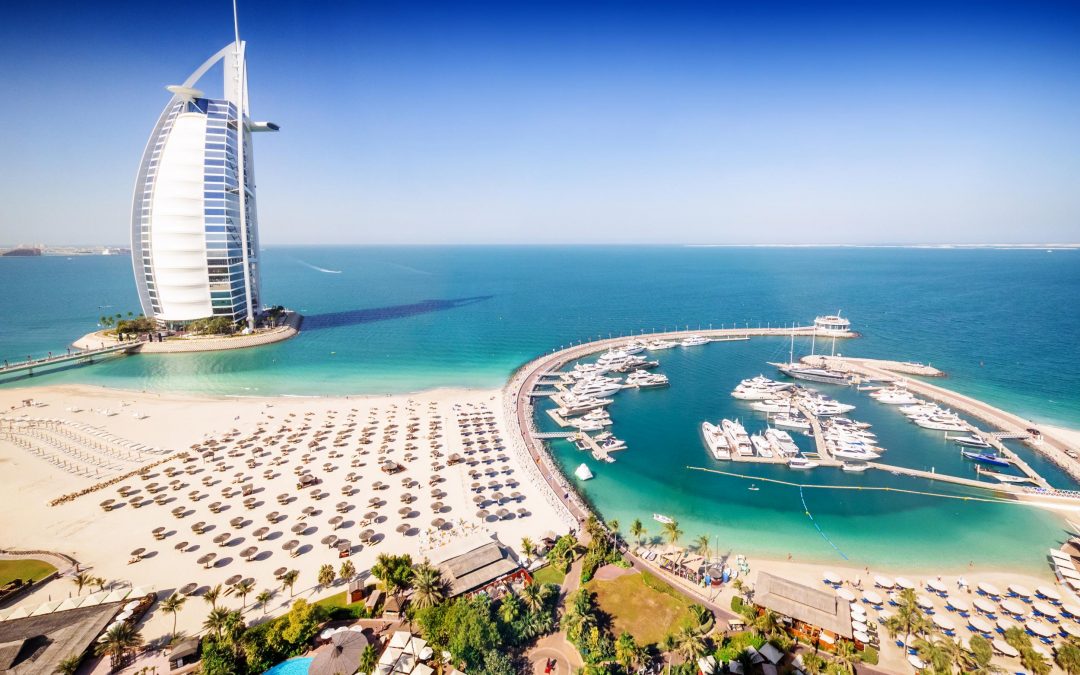
Dubai is one of the world’s leading tourism destinations and tourism. In Dubai tourism is a major source of revenue. Dubai is still the fastest growing tourist destination in the Gulf Region. The discovery of oil in 1966 kicked off the development of the economy of Dubai. Nevertheless , the then ruler, Sheikh Rashid bin Saeed Al Maktoum (from 1958 till 1990) wanted to build an economy that would outlast the oil industry. The aim of the tourist industry is to keep foreign cash flowing into the Emirate. He released that the oil economy will come to an end in a matter of time.
In 1989 the Dubai Commerce and Tourism Promotion Board was set up, to promote Dubai as a luxury destination for the up-market. In January 1997, it was replaced by the Department of Tourism and Commerce Marketing. This agency is now responsible for promoting tourism internationally and developing necessary infrastructure in the country.
In 2021 Dubai received 7.28 million international visitors. India is the main source of international tourism and it accounted for 910,000 visitors. Saudi Arabia is in second place with 491,000 visitors. Russia is in third place with 444,000 visitors.
International tourism was affected by the spread of the covid-19 virus. In 2018 Dubai received 15.92 million international visitors. In July 2019, Dubai’s Jumeirah Group LLC fired 500 people due to a decline in tourism. This shows the extent of the damage done by the pandemic to tourism industry in Dubai,
Reuters reported that Dubai hosted 3.97 million overnight international visitors in the first quarter of 2022, up 214% from the same period last year. This indicates that tourism has recovered from the pandemic effect.
Overnight international visitors spent $30.82 billion in 2018. Dubai brings the most tourist dollars in the world, followed by Meca which received $20.09 billion in tourist dollars.
There are several factors that contribute to tourism in Dubai. One of them is the availability of quality accommodation. In 2021 there were 137,950 hotel beds available at an affordable average rate of AED 451. In the recent past, Dubai saw an increase in 4 and 5 star hotels and number of rooms, but a decrease in standard hotel apartments. This indicates that Dubai is attracting high spending quality tourists.
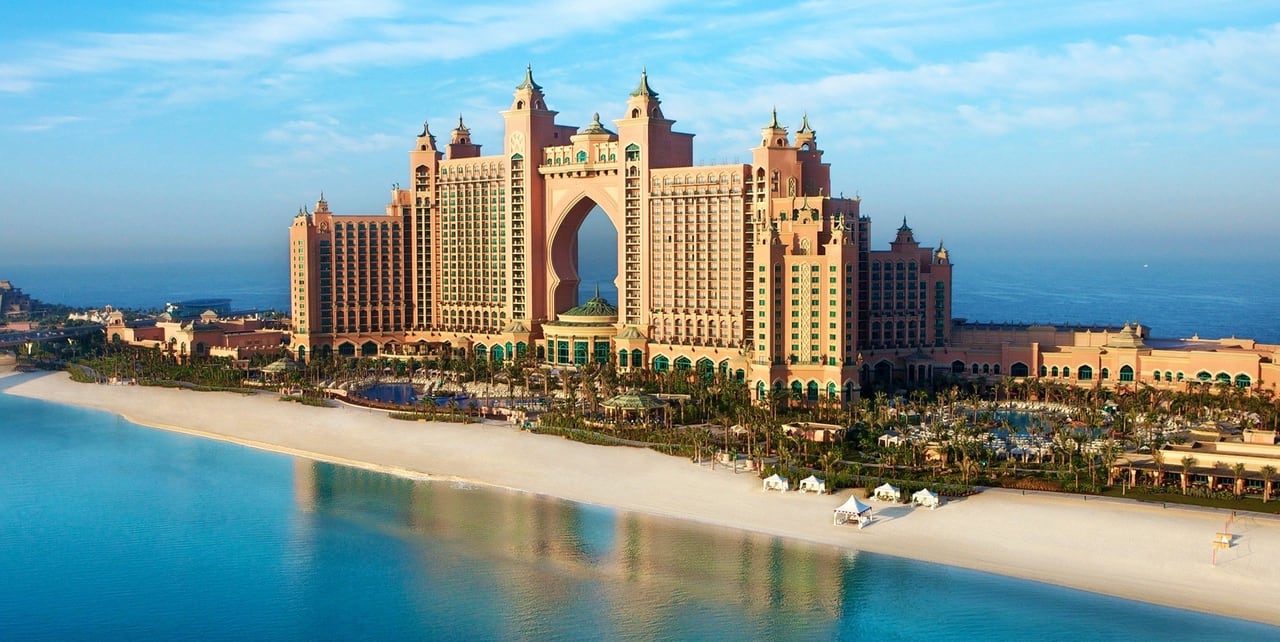
Dubai has developed a swift network of roads, an efficient metro system and the world’s busiest international airport, all within a short distance from the city centre. From Dubai, 141 airlines offer direct access to more than 265 global destinations. There are cruises and sea planes available to adventure in the sea.
Dubai abounds with museums, art galleries and cultural centres to provide a learning experience to the visitors. Amusement parks and adventure centres keep the visitors entertained. Shopping is galore. Dubai is a shoppers paradise.

Sheikh Zayed Grand Mosque, located in Abu Dhabi, the capital city of the United Arab Emirates, is one of the largest mosques in the world. It is the key place of worship for daily prayers. During Eid, it was visited by more than 41,000 people.
It is an architectural masterpiece in its own right. It combines various architectural styles. The mosque features 82 domes and was built under the orders of the late Sheikh Zayed Bin Sultan Al Nahyan as a symbol representing the message of peace, tolerance and coexistence preached by Islam. The largest of the domes is located in the centre of the main prayer hall. The domes feature pure white marble cladding, onion shaped ‘crowns’, and crescent-shaped finials decorated with gold-glass mosaic.
Artistic glass work is another important innovation in the architecture of the mosque. Mosaic, carved and sand-blasted glass, displays traditional Islamic designs of symmetry and repetition.
In 2004, when Sheikh Zayed died he was buried in the courtyard of the mosque.
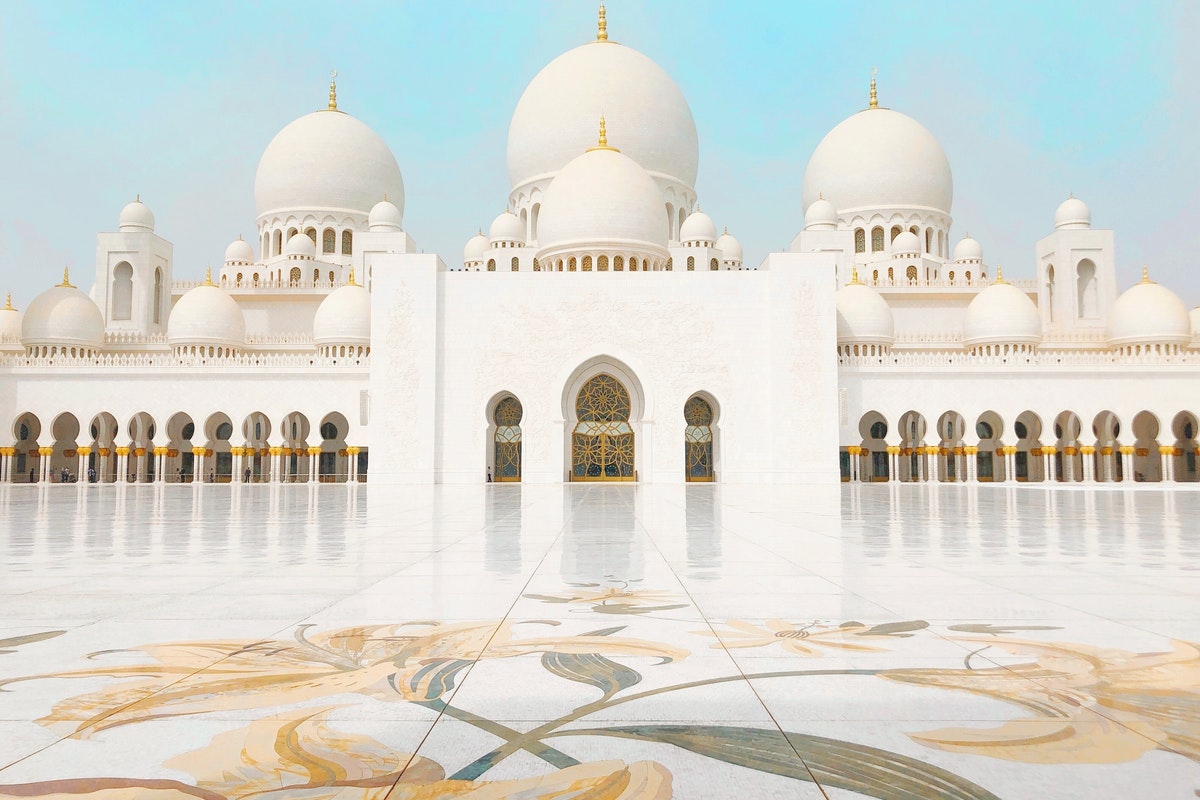
The mosque administration offices are housed in the west minarets. The library is located in the northeast minaret. The collection comprises material in a broad range of languages, including Arabic, English, French, Italian, Spanish, German, and Korean. For two years running, it was voted the world’s second favorite landmark by TripAdvisor.
The 99 names (qualities or attributes) of God (Allah) are featured on the Qibla wall in traditional Kufic calligraphy. The Qibla wall also features subtle fibre-optic lighting, which is integrated as part of the organic design.
The mosque can accommodate over 40,000 worshippers, while the main prayer hall can hold over 7,000. There are two smaller prayer halls, with a capacity of 1,500 each, one of which is the women’s prayer hall.
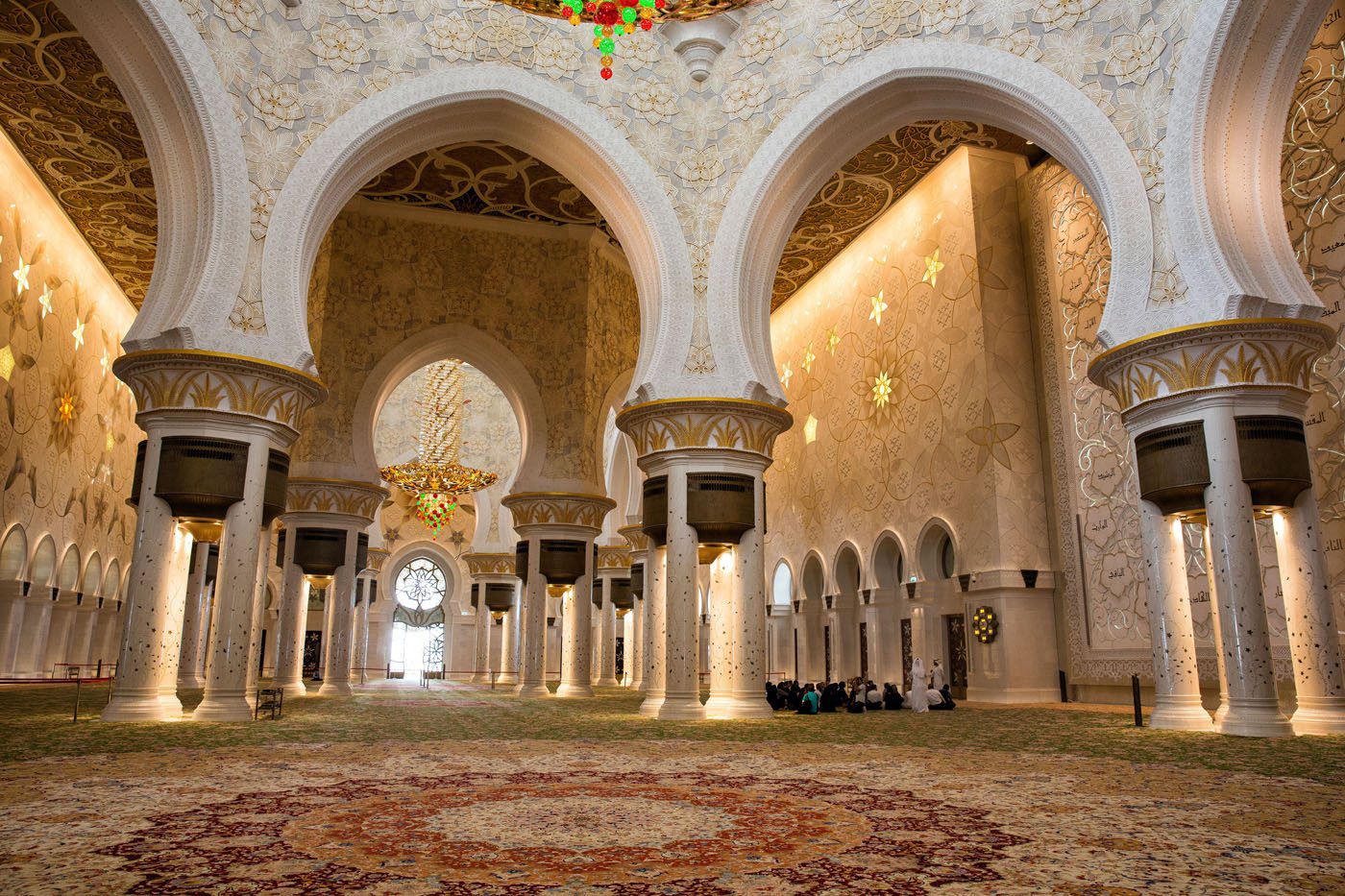
There are four minarets on the four corners of the courtyard which rise about 107 m in height. The courtyard, with its floral design, measures about 17,000 m2, and is considered to be the largest example of marble mosaic in the world.
The carpet in the in the main prayer hall measures 5,627 m2, and was made by around 1,200-1,300 carpet knotters. This carpet is said to be the world’s largest hand-knotted carpet. The total project took two years, including eight months for the design and 12 months for the knotting.
The mosque has seven chandeliers imported from Germany that incorporate millions of Swarovski crystals. The largest chandelier has 10 m diameter and a 15 m height.

Action Park is home to several adrenaline-raising concepts such as: a paintball park, the first Upside Down House in the MENA Region, The Smashroom and Go-karting with plenty more activities to follow. The park is suitable for families, residents, tourists and students.
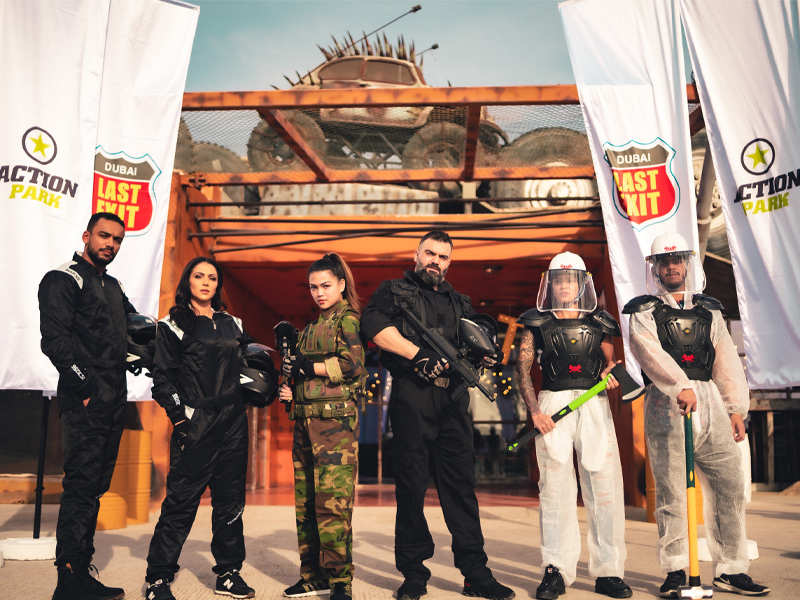
Paintball is an outdoor adventure sport. The game focuses on teamwork and strategy combined with pure adrenaline fun that makes the game an unforgettable experience. Battlefield measuring 37,000 sq. feet with dead trees sniper tower, tunnel, trenches, and unique buses, long bridges, and a lot more. There is a skilled team and well-trained safety Marshall who will complete your safe and thrilling experience.
Minimum age requirement for Action Paintball is 10 years. Players should bring their own paintball markers. These can also be purchased at the park. Only maximum velocity of 285 fps is allowed. Minimum of 2 players, Maximum of 60 players are required for the game.
There are several options to choose from. Option 1 of 90-Minutes Paintball Experience offers 100 Paintballs and Gear (Bronze Package) for 1 person for AED 49. Option 1 of 90-Minute Paintball Experience offers 2200 Paintballs and Gear (Silver Package) for 1 person for AED 79. Option 3 gives a 90-Minute Paintball Experience with 100 Paintballs and Gear for 4 people for AED 189.

In Paintball Park you will eliminate opponents, explore hideouts and mastermind your team tactics across multiple scenarios on a map strewn with real monster trucks, war rigs and abandoned vehicles that give the environment a real-world Call of Duty feel. The Paintball Park uses state-of-the-art equipment and each player is given a fitness tracker that provides real-time feedback, statistics, and results.
You go to the Smash Room to shatter, break, stomp, tear, yell, and embrace an animalistic release you can only find there, a therapy that doesn’t involve reflection, a meditation that doesn’t involve soul searching. There are sever4al p0ackges on offer.
The Quickie Package includes 10 Glass items and no Electronics. It will cost AED 49 for 1 person in 1 room.
Smash N Dash Package includes 15 Glass items and one electronic item, It will cost AED 89 for 1 person in 1 room.
The Big Bang Package offers 20 glass items, 2 electronics. It will cost AED 129 for 1 person in 1 room.
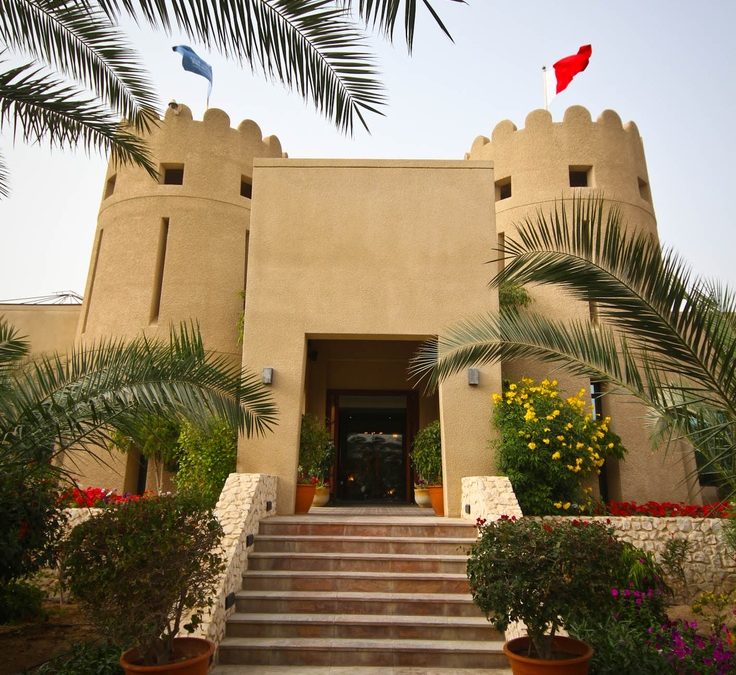
Jabel Ali Shooting Club in Dubai offers a unique recreational and competitive environment for shooters of all levels to raise their game and try something new. The indoor and outdoor ranges are built to exacting international safety standards and offer five floodlit clay shooting ranges and a 10 lane, 25 meter indoor pistol range. All are accessible for beginners, corporate groups and experienced shooters. And when you’re done taking aim, you can sit back and relax in Shooter’s restaurant serving steaks and TexMex with views over the ranges.
For all shooting disciplines, 12 and 20 gauge Beretta shotguns are suitable. The 25 meter indoor pistol range offers both 9mm & .22 disciplines. Those who are 15 years of age can use .22 discipline while those above 25 years of age can use 9mm discipline.
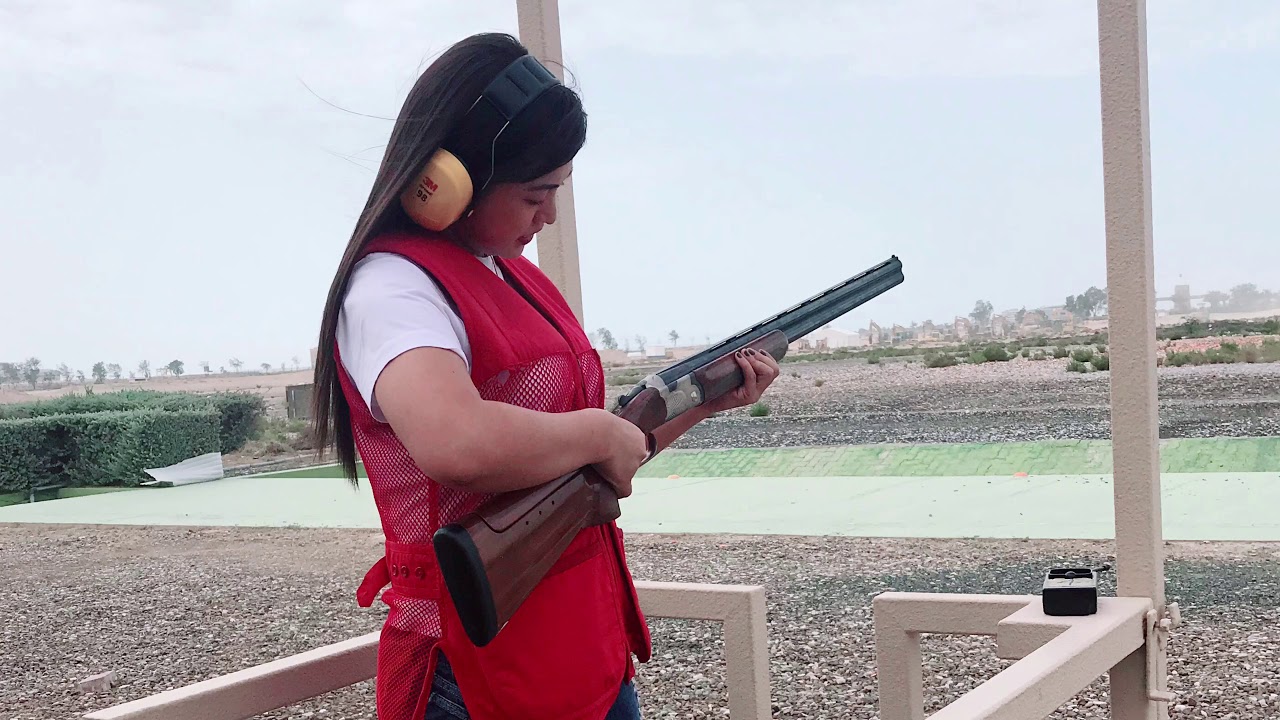
If you just want to taste the sport, the air-conditioned indoor shooting range provides an ideal environment to try it out. You can practice with qualified and experienced instructors to get an idea of what the sport is like. If shooting isn’t quite to your taste, you can dabble in archery or relax at the club’s steakhouse with a view of the shooting ranges through floor-to-ceiling glass walls.
Clay shooting ranges are suitable for beginners and experienced shooters alike. There are floodlights at the clay shooting range allowing night-time shooting as well.
The ranges are equipped to cater to ‘Olympic trap’ which forms part of the shooting programme at the Olympic Games. There is also a simpler ‘automatic ball trap’ version where only one trap machine is used.
The entry‐level discipline ‘down the line’ where a single trap is used to throw target to a distance of 45-50 metres.
The 25 meter indoor pistol range offers both 9mm & .22 disciplines for 15 years and above.
The ‘Compak sporting,’ is a smaller version of international and English sporting. ‘Olympic skeet’ shot is set at eight shooting stations on a semi‐circle and one in the middle.
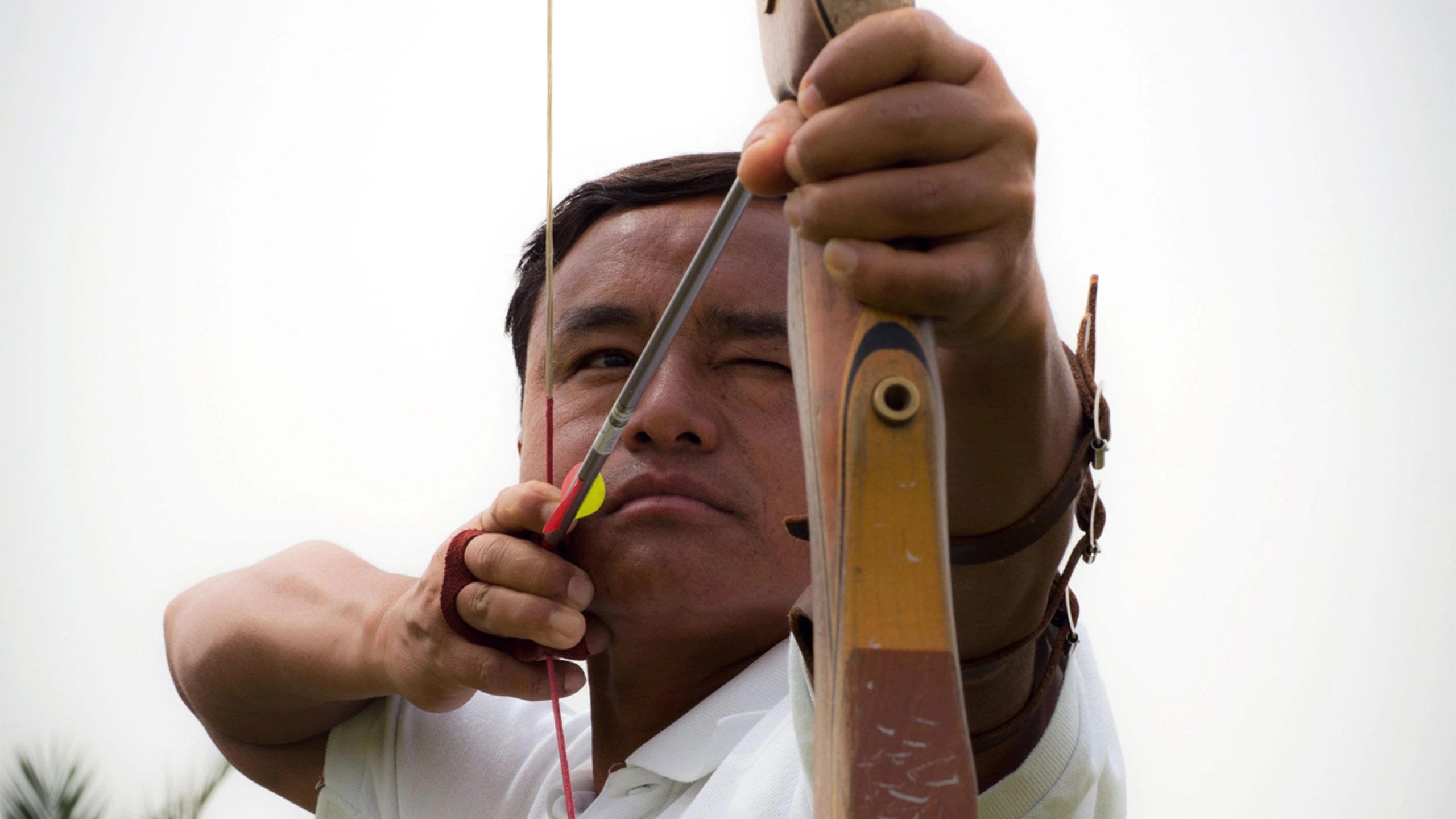
You get a technique briefing & coaching from a professional instructor. The club offers advanced equipment to ensure ultimate experience. You get an opportunity to use bow & arrows at the outdoor range.
For non-members a 0.22 calibre shots will cost AED 190 for standard grade, AED 220 for silver, AED 250 for gold and AED 290 for a platinum grade. A 9mm calibre shots will cost AED 230 for standard grade, AED 260 for silver, AED 300 for gold and AED 350 for a platinum grade. Additional shots with 0.22 calibre, would cost AED 150 and AED 250 (depending on grade type). Additional shots with 9mm calibre gun start at AED 180.
Clay shooting for non-members will cost around AED 230 per round and AED 180 for additional rounds. Fee for archery for non-members is AED 110 per session.
A Shuttle bus from JA Shooting Club runs from 4:15 pm every hour and from 7:15 pm every 30 minutes with last run at 12 am.
Dubai Police, requires you yo present any one of the following ID options to the reception and complete the guest profile record before proceeding for shooting: passport (original or copy); UAE National ID; UAE driving license.
Nad Al Sheba Shooting Club is another shooting range in Dubai that offers extensive training for beginners.
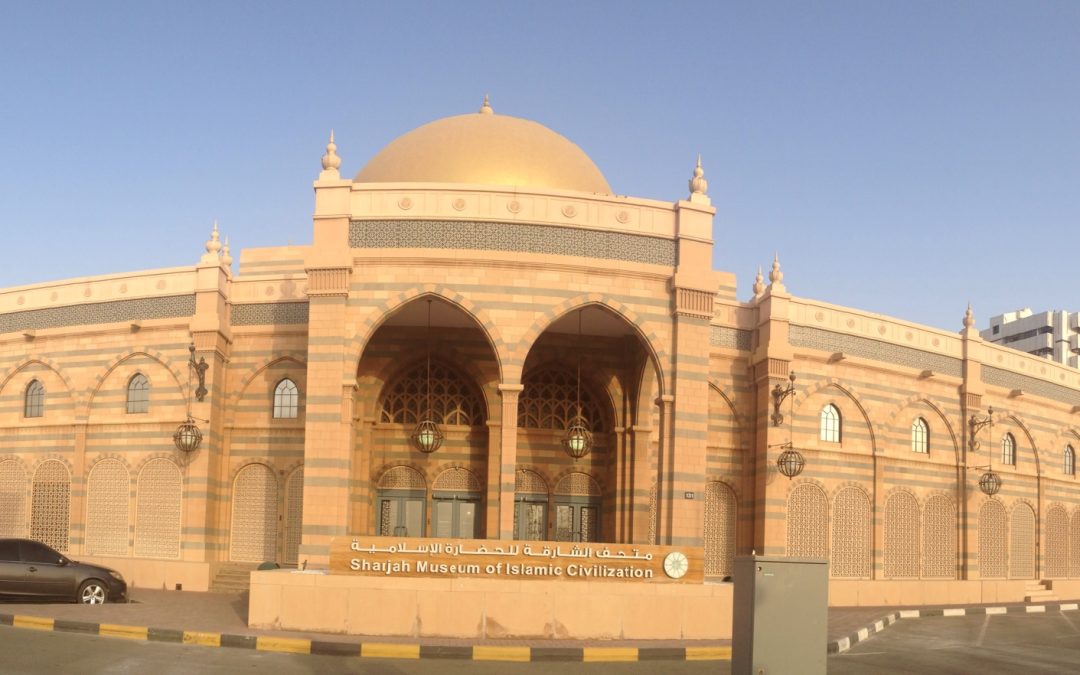
Sharjah’s Museum of Islamic Civilization is the only museum in the country to focus on the breadth of Islamic history. It is located in the city on the Majarrah Waterfront, right on the shore of the Sharjah Creek. It was opened in 2008 in the building of the former Souq al-Majarrah which has been transformed into a state-of-the art museum.
The collection of more than 5,000 artifacts inside traces Islam’s course from the very early years to the spread of the Islamic empires through Asia and Africa, and explores the vast diversity of culture and art throughout the Islamic world. The artifacts include calligraphy, carvings, ceramic art,ceramics, coins, glass, manuscripts, metalwork, and scientific instruments.
The museum also contains art objects displaying separate facets of the Islamic faith and specific eras in Islam’s history. Some displays feature rare manuscripts and religious documents, and tourists will find them easy to understand thanks to excellent information boards throughout. The museum is divided into seven thematic galleries,six of them are permanent exhibitions.
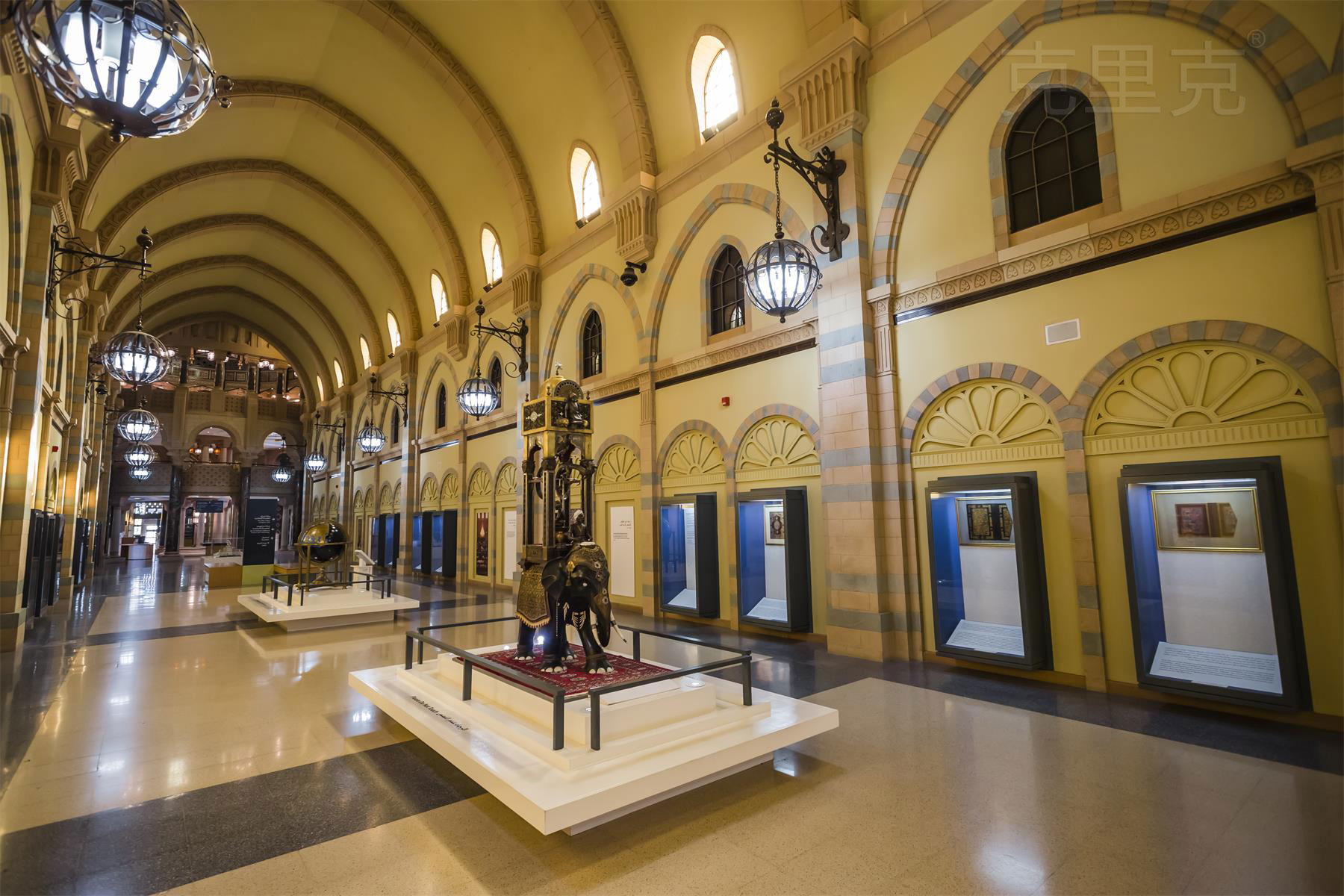
Sharjah Museum of Islamic Civilization – Abu Bakr Gallery of Islamic Faith,
Abu Bakr Gallery of Islamic Faith, displays a copy of the Koran of the third Caliph, Uthman ibn Affan, who ruled from 644-656 AD. Also on display is a a Kiswa, the covering used for the Kaaba in Mecca. It also houses rare historical Quran manuscripts as well as models, photographs, presentations and important facts about mosque architecture from around the world.
The Ibn Al-Haytham Gallery of Science and Technology depicts Islamic scientific advancements, including inventions and theories developed by Islamic scholars in such fields as astronomy, medicine, geography, architecture, mathematics, chemistry, military technology, marine navigation and engineering.
Islamic Art Gallery 1 shows a wide range of artifacts such as pottery, metalwork, woodcarving, manuscripts and textiles, made in the Islamic world between the 7th century AD and the 13th century AD. Islamic Art Gallery 2 displays important Islamic artworks dating from the 13th century AD to the 19th century AD.
Islamic Art Galleries 3-4 are devoted to Islamic arts, crafts and weapons used between the 19th century AD and 20th century AD.
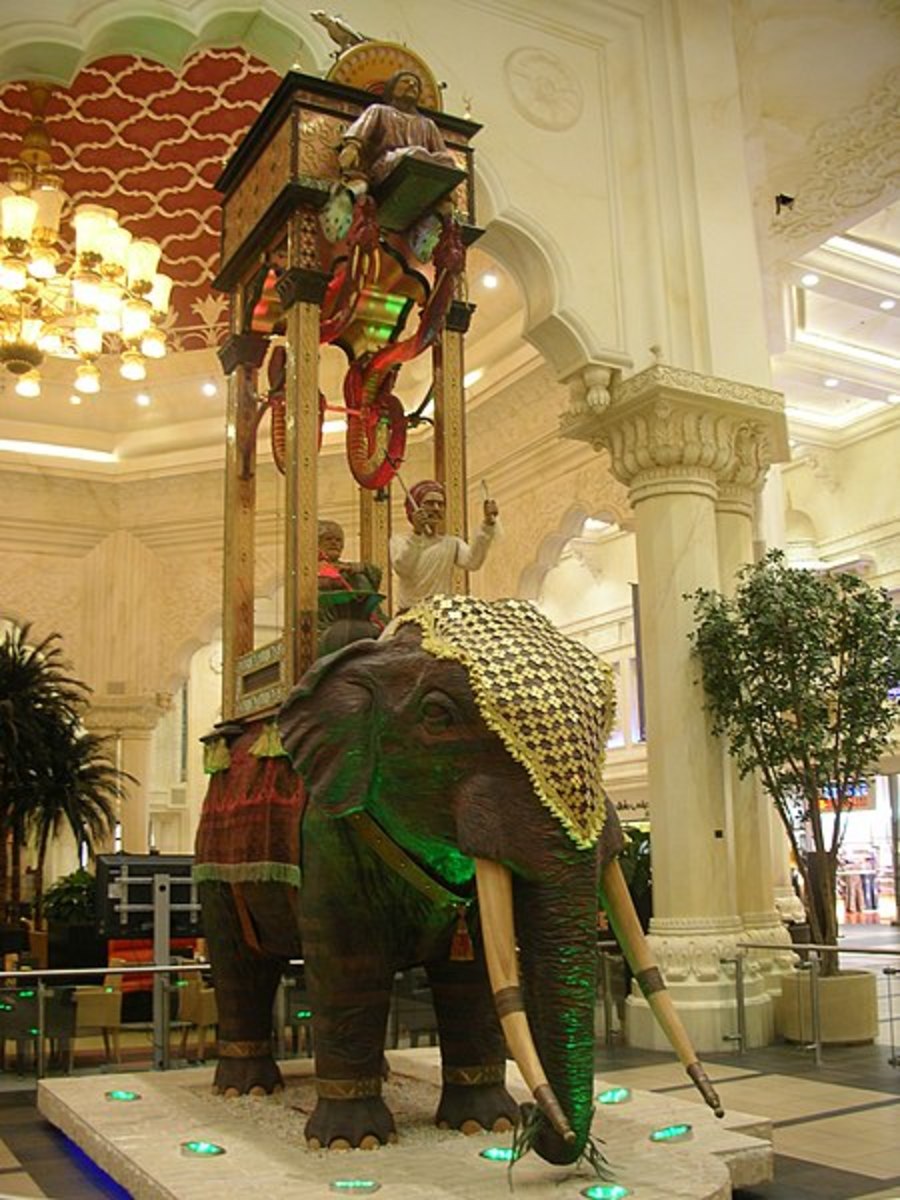
A seventh gallery, The Al Majarrah Temporary Exhibition Gallery, houses temporary exhibitions, with a regular roster of displays co-curated with other museums, ranging from Ottoman Masterpieces from the Museum of Applied Arts in Budapest to Persian calligraphy from the Islamic Arts Museum of Malaysia. It also showcases early Islamic coin collections in the atrium outside the Al Majarrah Gallery.
The museum features prayer rooms, a cafeteria, a souvenir shop, spacious parking, rest rooms and has wheel chair access for the disabled.
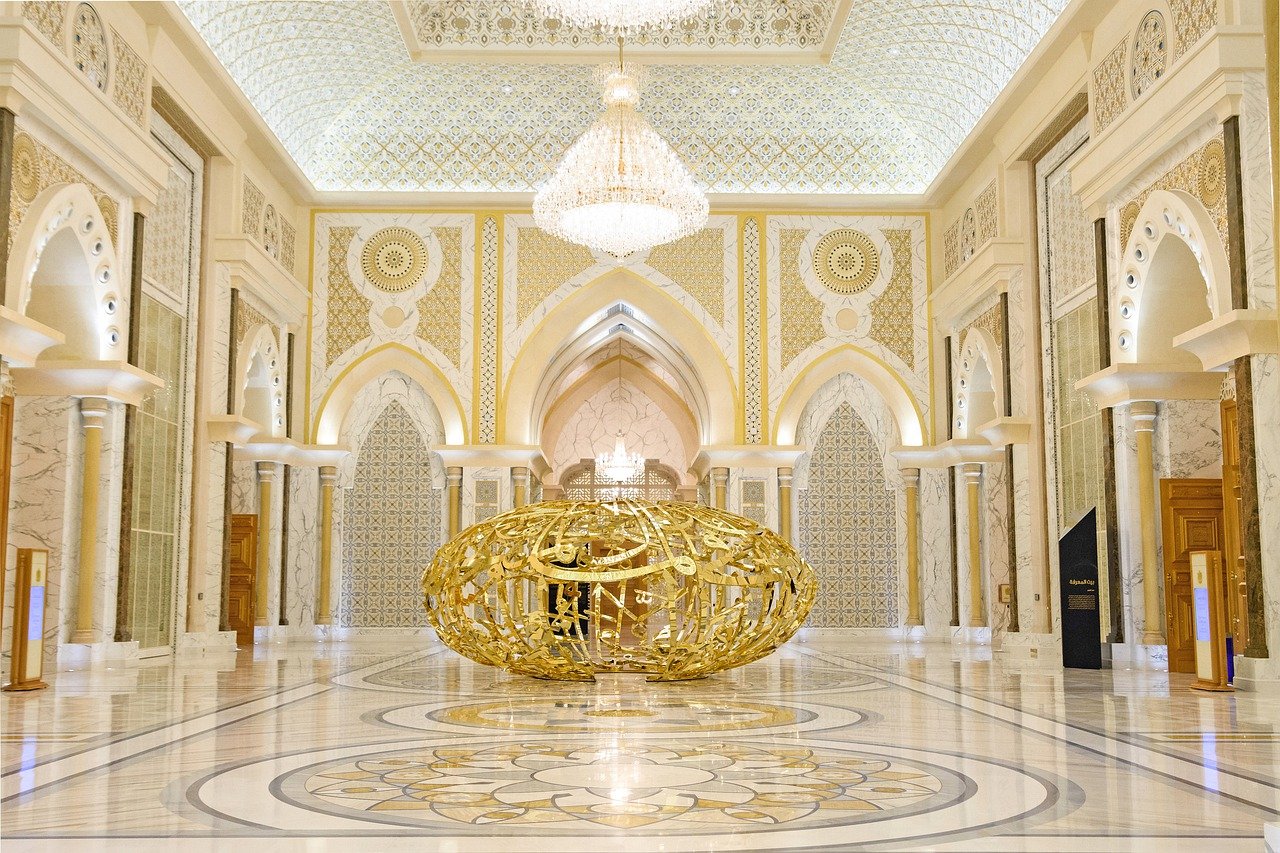
This attraction stands out owing to its grand architecture and captivating design, which attracts visitors wishing to explore the legacy and deep-rooted traditions that have shaped the UAE. Qasr Al Watan also showcases the country’s rich history. President Sheikh Khalifa’s decision to open this building to the public was to boost cultural understanding of the UAE.
Qasr Al Watan is a building inside the compound of the Presidential Palace, which houses the formal offices of the UAE’s President and Vice President and the Crown Prince of Abu Dhabi, and has also played host to a roster of global leaders since 2015. The Presidential Palace is the official meeting place for the UAE Cabinet and the Federal Supreme Council, the highest constitutional authority in the UAE.
The Great Hall in the building showcases the region’s architectural and artistic legacy. From the central dome and archways to the ornamentation and mosaic patterns, the visitor will gain a deeper appreciation of the region’s architectural and artistic legacy. The mirrored cubes positioned at every corner of this exquisitely crafted zone displays finer details of the architecture.
Palace in Motion is a spectacular light and sound show to showcase the UAE’s culture and history. The story which is projected onto the facade of the iconic building is told in three acts about the past, present, and the future vision of the nation.
Qasr Al Watan Library is located in Qasr Al Watan. The library is an impressive addition to the rich, existing Abu Dhabi public library network, which provides sources of knowledge through the latest technologies and techniques. Qasr Al Watan Library is open to UAE nationals,residents and travelling visitors, and can be visited in person. Membership card provides access to all services. Collected over 35years, the publications in the library cover subjects including history, geography and the social, economic and political development of the country. The library is home to printed books, e-books, audio and video books, periodicals, multimedia, university letters,research articles, newspapers and magazines, documents,encyclopedias, book summaries, reference dictionaries, databases and rare manuscripts.
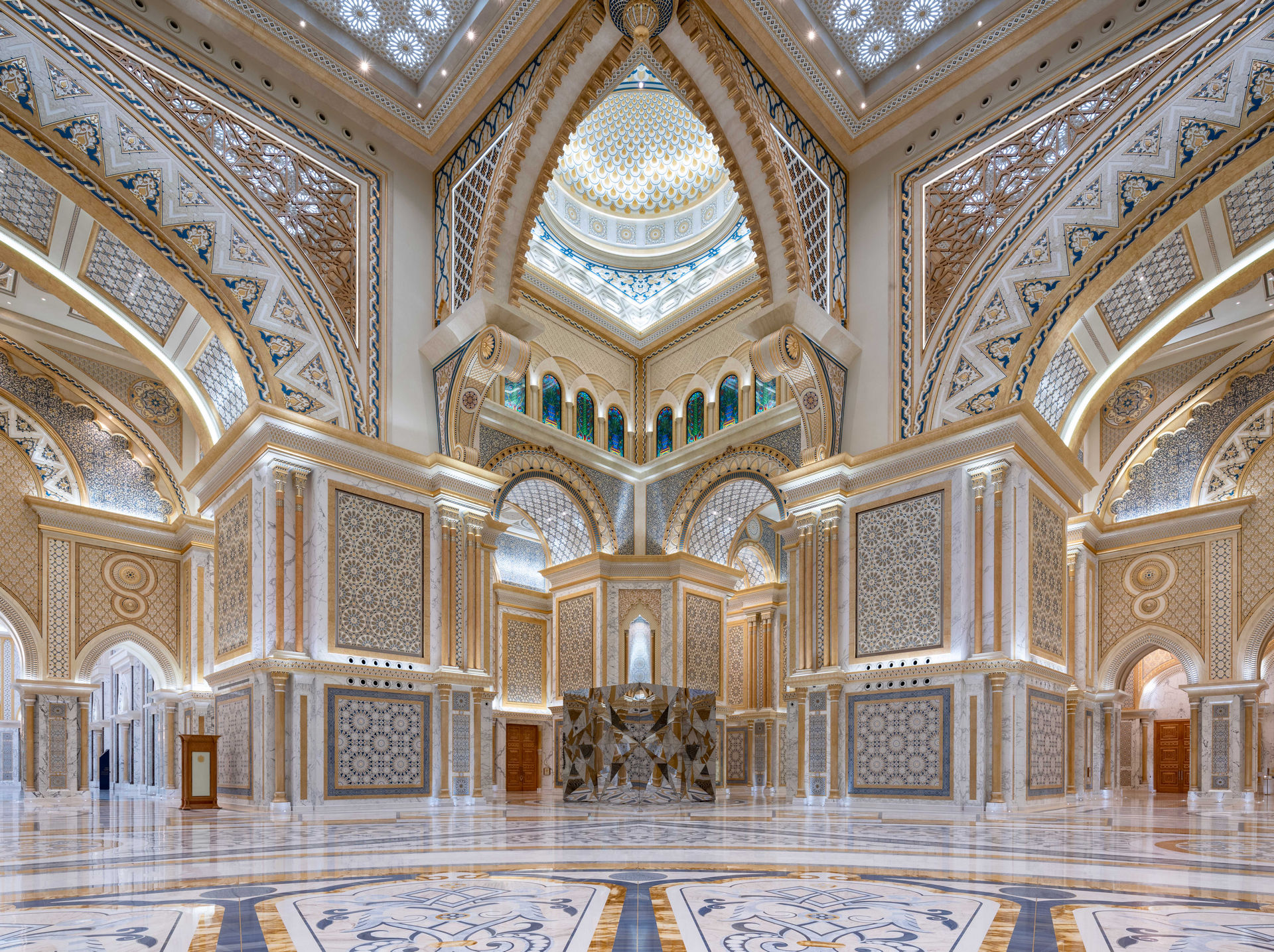
Qasr Al Watan Banquet Hall
From the Banquet Hall you can discover how the nation’s leaders host the world’s leading dignitaries with a unique taste of Emirati hospitality.
A palace and garden ticket, which gives you access to all public spaces, inside and out,costs Dh60 for an adult and Dh30 for children aged four to 17 years. Alternatively, a garden only ticket to access the grounds and visitor centre costs Dh25 for adults and Dh12 for juniors.
Once you are on the grounds, there is an option to book onto a tour. Standard guided English or Arabic tours, directed by a tour guide, run every 30minutes and cost Dh30 per visitor. Numbers will be limited to 20visitors per tour. Alternatively, individuals or groups of up to 20can arrange for a private guided tour in either English or Arabic for Dh600.
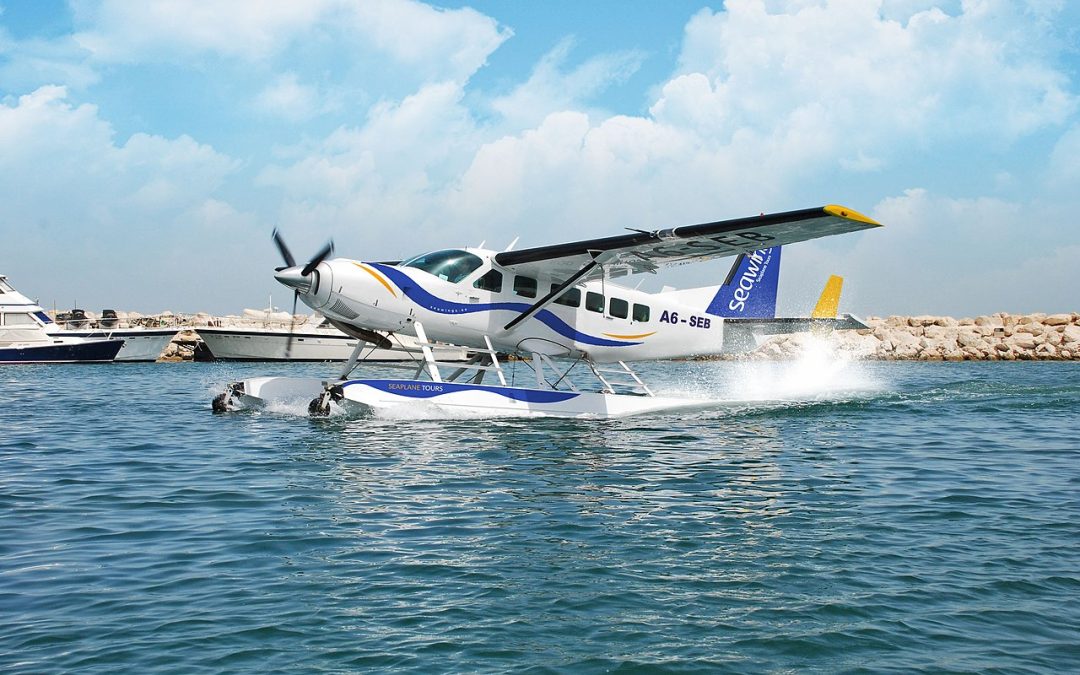
Seawings is an experiential seaplane tour operator based in Dubai, United Arab Emirates. It is the only one of its kind that offers seaplane experiences in the United Arab Emirates and Oman. The company was established in August 2007 and provides scenic aerial experiences, sightseeing tours and private seaplane charters to destinations in Dubai, Abu Dhabi, Ras Al Khaimah, Fujairah and Muscat. Its services include scenic flights, customized excursions, MICE, Golf, day trips, short sightseeing flights, corporate packages and exclusive aircraft charters to over 25 destinations within the UAE and Oman.
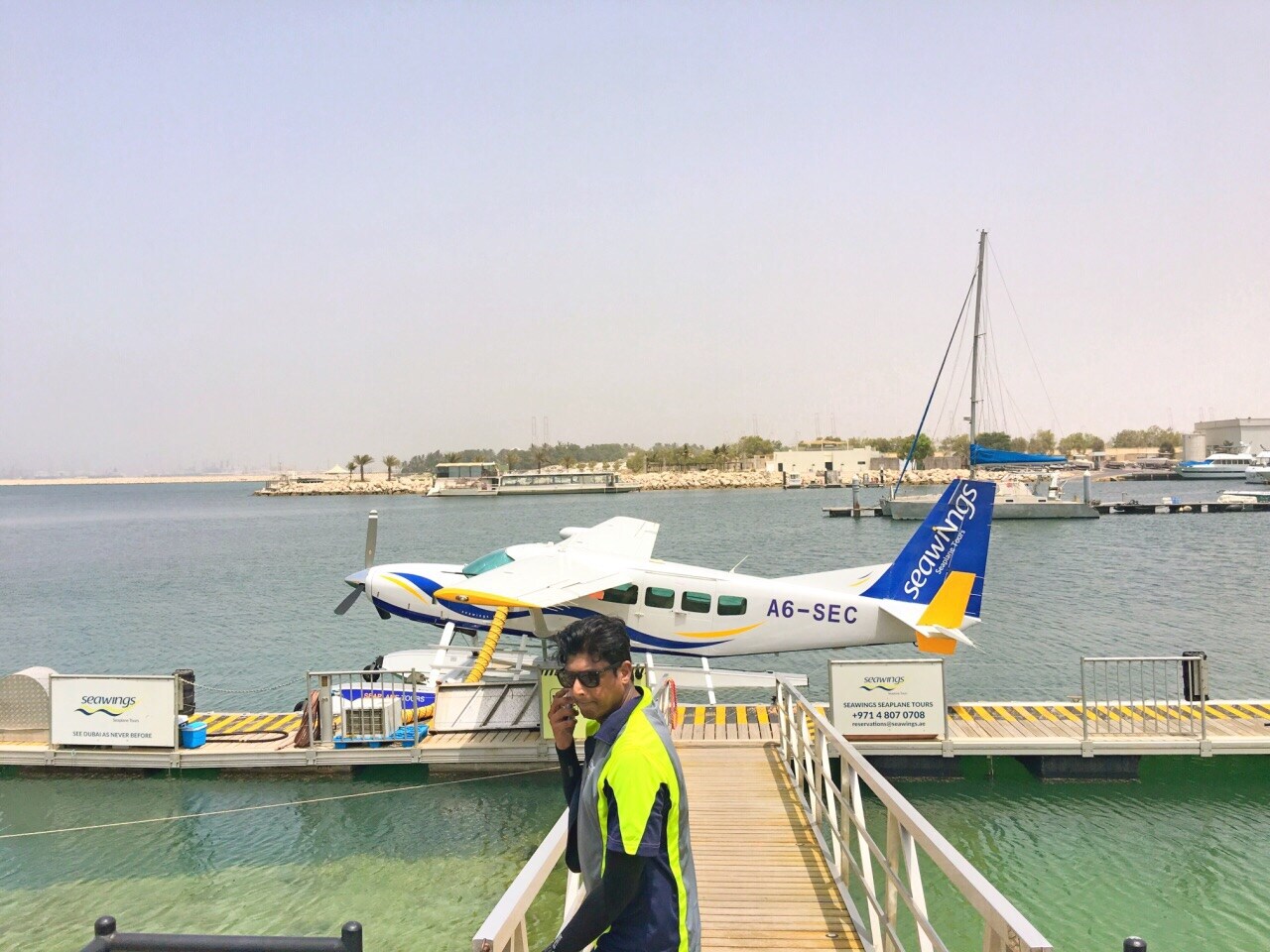
Seawings Lifestyle fleet consists of five Cessna 208 Caravan Seaplanes, each of which seat 9 guests and a pilot. Seawings Lifestyle network of 25 locations across the region gives travelers the option to tailor make their itinerary based on what they would like to do, the size of the group and activities during their trip.
Seawings Lifestyle blends unique seaplane luxury travel with the exclusivity of the region’s finest holiday resorts and best excursions. Seawings Lifestyle presents a collection of UAE luxury excursions and holiday packages that reflect the diversity and possibility of the UAE. Every holiday package and excursion itinerary is unique and completely individualised to your interests and needs, with no limit to the customisation. Each package is created by taking your ideas and handcrafting an experience that meets the criteria. Each tour lasts 45 minutes.
Seawings Beyond is product offered by Seawings Lifestyle that provides day and overnight excursions and holidays by private seaplane giving travelers an opportunity to voyage beyond Dubai to less visited and fascinating corners of the UAE and Oman covering a range of activities. These handcrafted tours fuse extraordinary scenic flights with luxury experiences to the mountains, beaches and desert island reserves like Sir Bani Yas Island and Zaya Nurai Island.
In the Seawings Signature Tour you will enjoy sweeping vistas of Dubai’s skyscrapers, beaches and architectural marvels on a thrilling 45-minutes seaplane flight. Take off in the comfort of our state-of-the-art Cessna seaplane and see Dubai’s attractions such as the Burj Khalifa, Burj Al-Arab, Palm Jumeirah (the world’s largest man made archipelago, shaped like a palm) and The World Islands. You can choose from two take-off locations to suit your convenience.
The seaplane services are operated by Jet Ops FZE, a Dubai-based company and holder of a UAE Air Operator Certificate . Jet-Ops FZE is owned by Air Charter International Arabia LTD, a leading aviation management company based in Dubai since 1994.Seawings LLC launched a sister company named as Seawings lifestyle in the year 2013, which provides customized and luxury tour packages in UAE.
