Dubai is a vibrant city located in the Middle East. Though Dubai is relatively a new tourist...
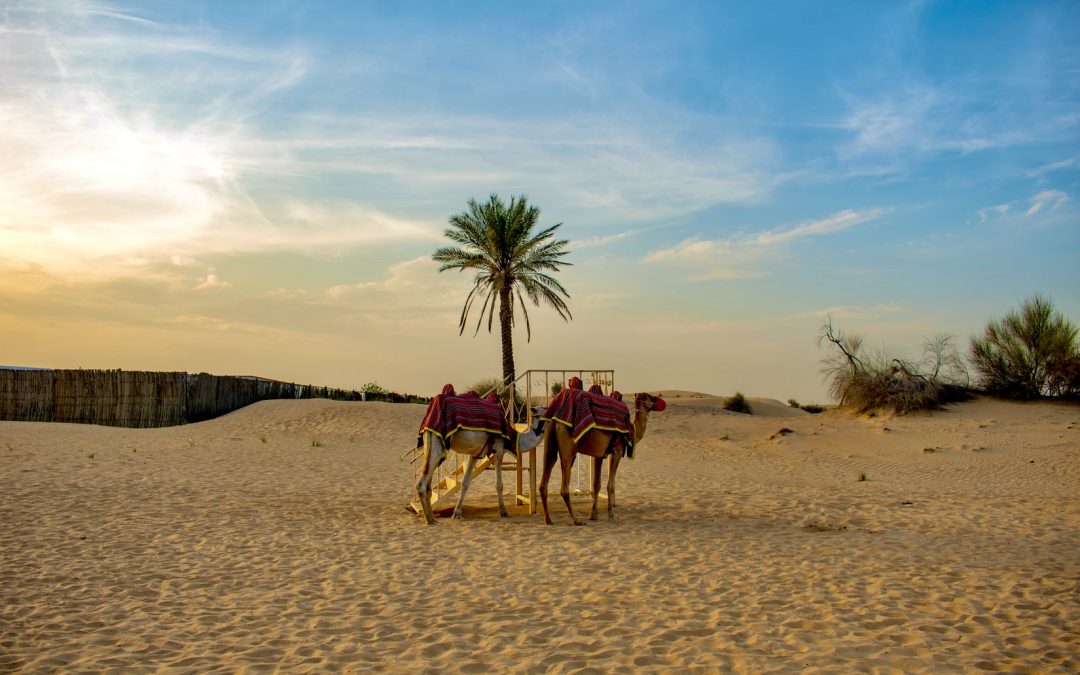

Dubai is a vibrant city located in the Middle East. Though Dubai is relatively a new tourist...
Features information that is relevant to travellers who are thinking about and actively planning a visit Dubai or any part of the Arab World.
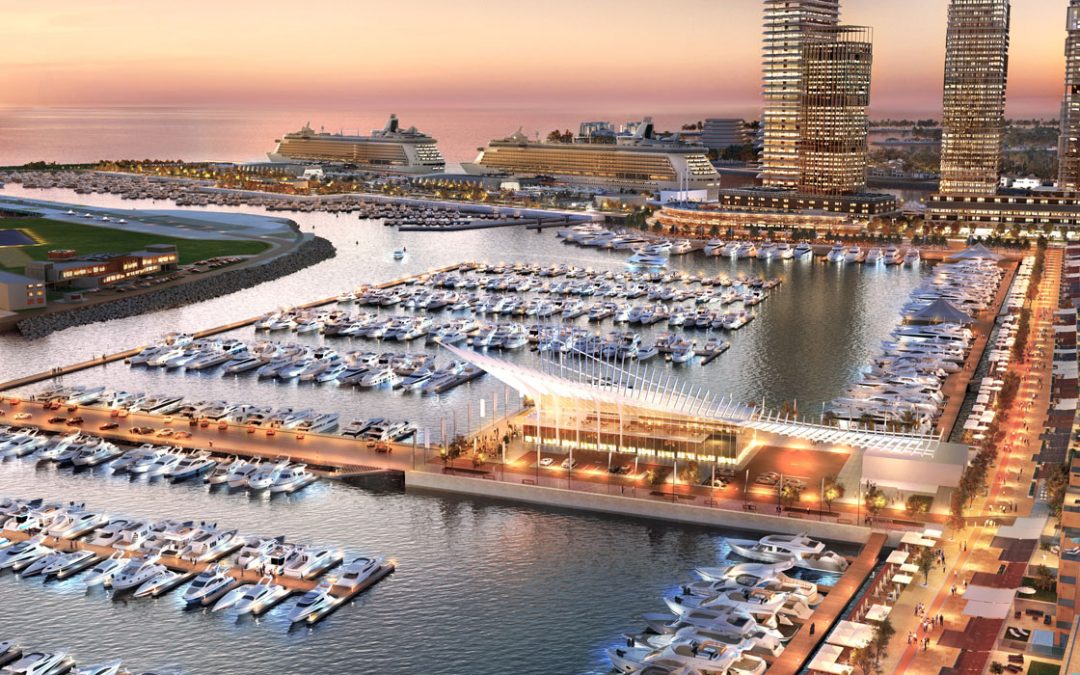
There are three major seaports in Dubai, Jebel Ali, Port Rashid and Al Hamriya.
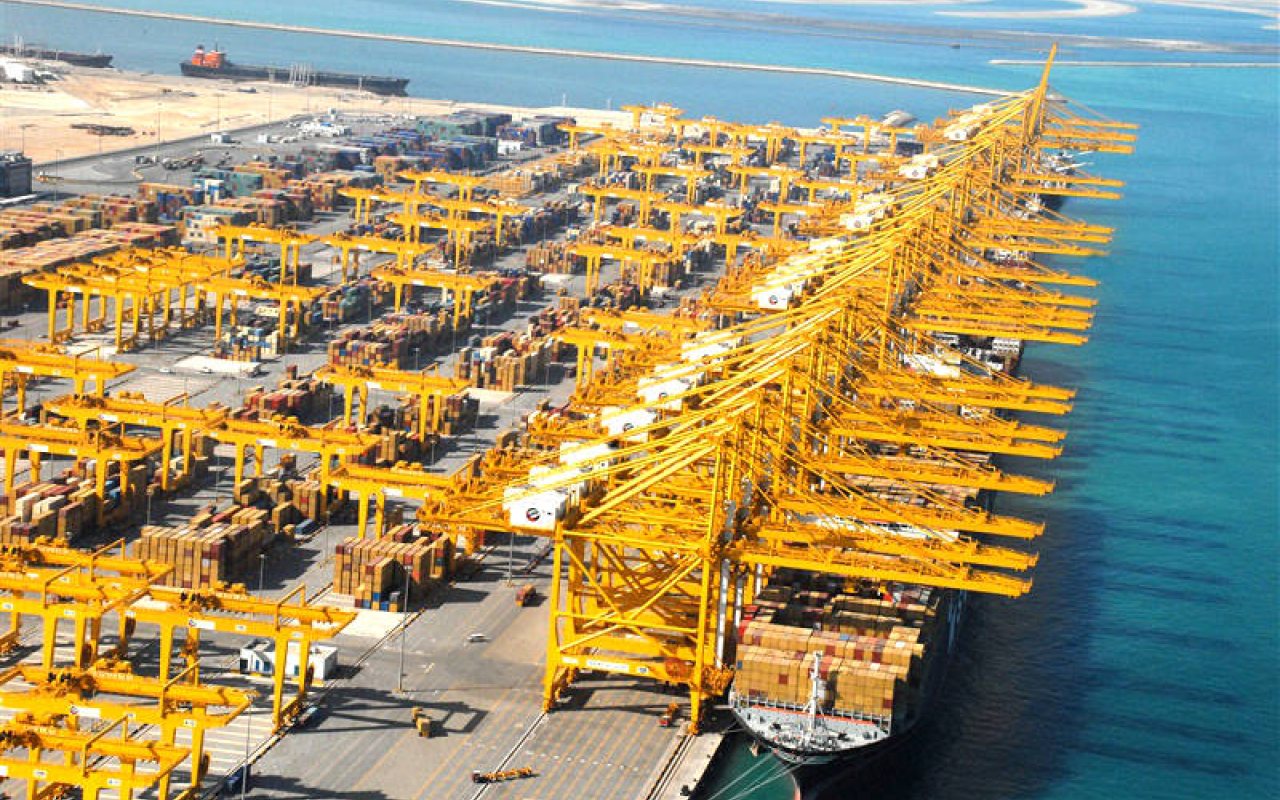
Jebel Ali Port
Jebel Ali (aka Mina Jebel Ali) is the largest port in Dubai. It is a deep port located in Jebel Ali, Dubai. It is the world’s ninth busiest port, the largest man-made harbor, and the biggest and by far the busiest port in the Middle-East.
It has 67 berths and a size of 134.68 square kilometres (52.00 sq mi). It is home to over 5,000 companies from 120 countries of the world. The port was inaugurated by Queen Elizabeth II on 26 February 1979.
The port has more than one million square metres of container yard, medium- and long-term general cargo storage space and almost 960,000 square metres of open storage. Jebel Ali Port is linked to Dubai’s expressway and to Dubai International Airport Cargo Village. Jebel Ali Free Zone offers duty free goods and services for offshore businesses.
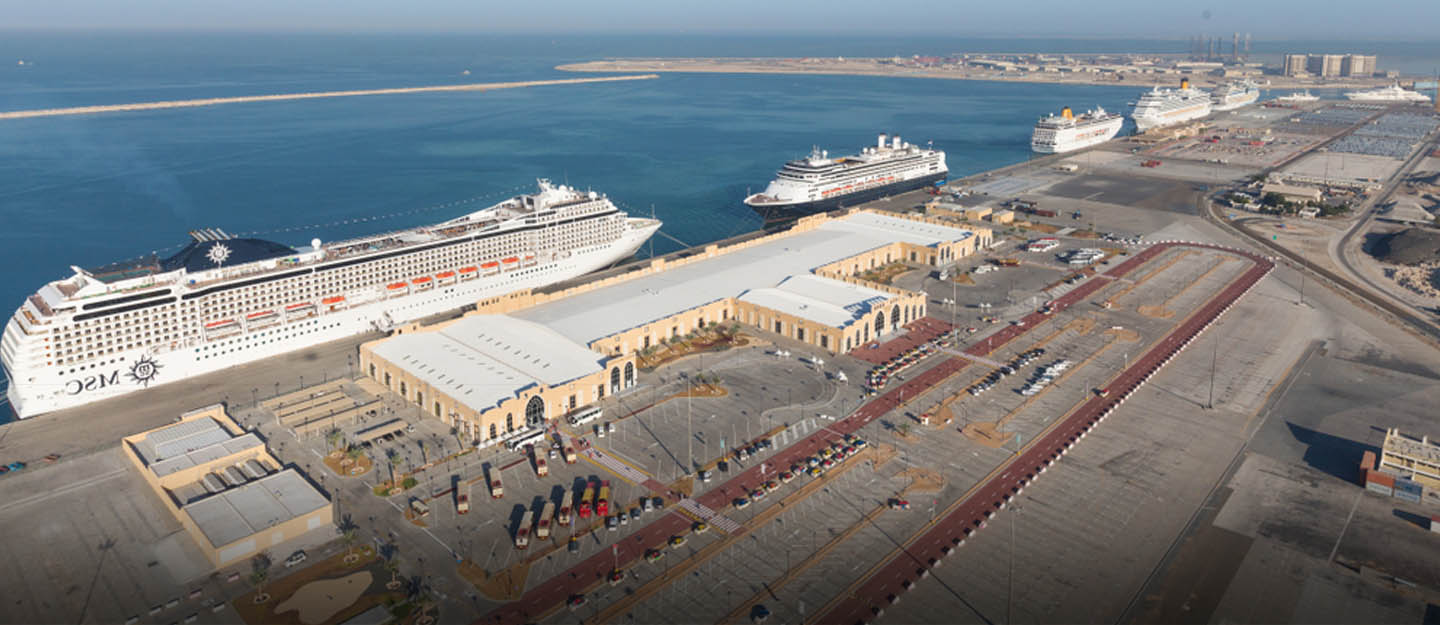
Port Rashid
The construction of Port Rashid in 1972 was an outstanding success. It was originally intended as a four-berth port. Before the construction was completed it was extended to sixteen births. In 1975 a further 35 berths were added.
The port is equipped to handle both cargo and passenger operations. The Cruise Terminal is equipped to handle five mega cruise vessels simultaneously and 25000 passengers daily.
The port has another cruise terminal called Hamdan Bin Mohammed Cruise Terminal, which has a capacity to handle 14,000 passengers a day,
This port also offers a ferry service to passengers moving between Dubai, Bahrain, Qatar, Iraq and Iran.
Al Hamriya
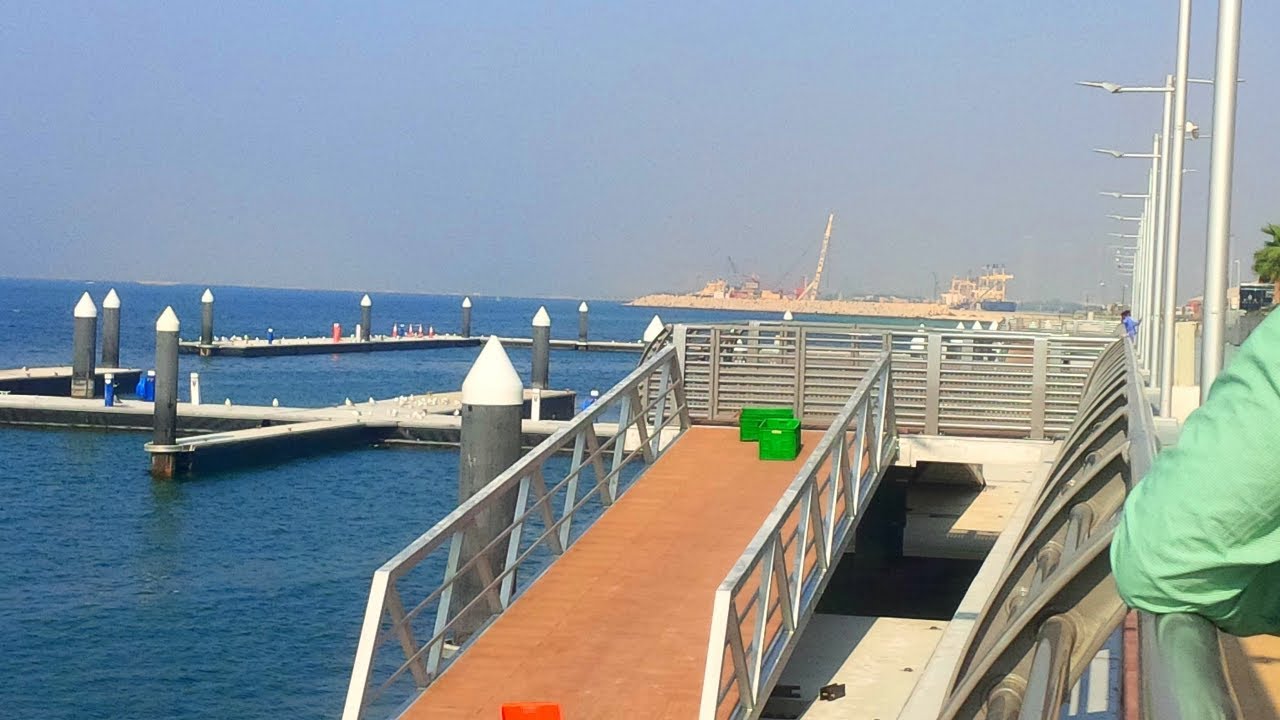
Al Hamriya is managed by DP World under the brand name of Emirates Ports Company. Al Hamriya Port is in the traditional cargo gateway to Dubai. The port handles mainly non-containerized cargo between Dubai, Arabian Gulf, East Africa and Western India.
Al Hamriya’s piers are can handle 190 fishing vessels simultaneously. The port is favoured for livestock imports because of its large quarantine fcility.
Oil contributes just 20 per cent of economic production. Trading, manufacturing and services — including tourism — now dominate the economy.
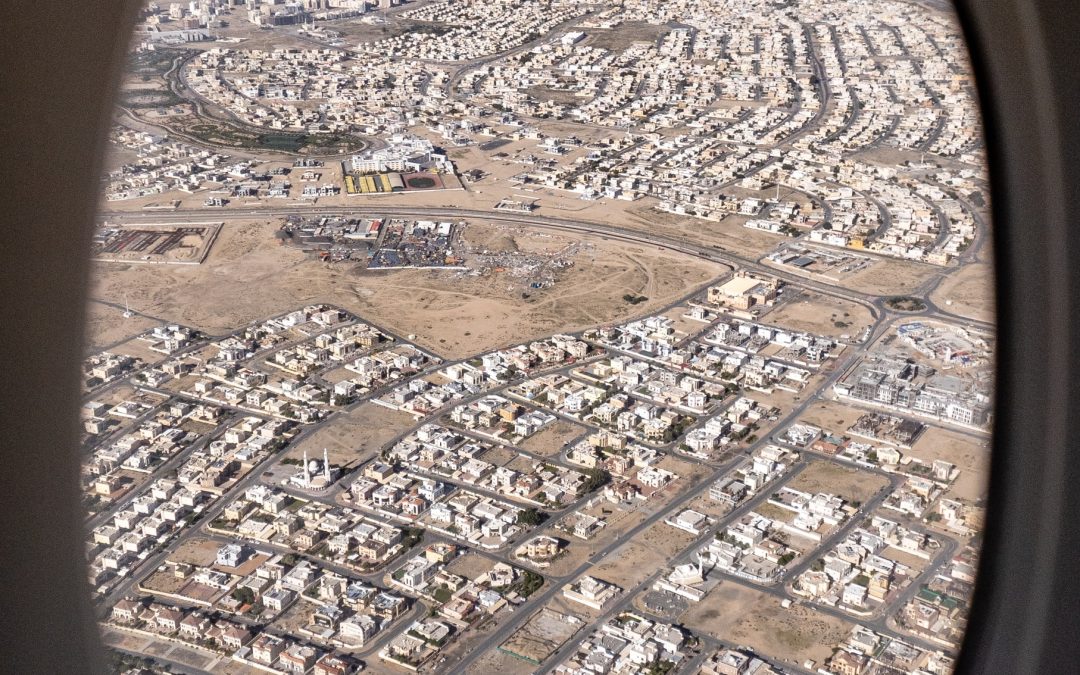
In matters unrelated to diplomacy and defense, each emirate enjoys considerable autonomy in managing its own affairs. In business, the government of Dubai is committed to liberal, free market policies and to the creation of a business environment conducive to commercial activity. This approach is well illustrated by the incentives available to investors in the Jebel Ali and Airport Free Zones and by the continuing high level of public sector investment in the infrastructure.
The Dubai Financial Market (DFM) was established in March 2000 as a secondary market for trading securities and bonds, both local and foreign.
